


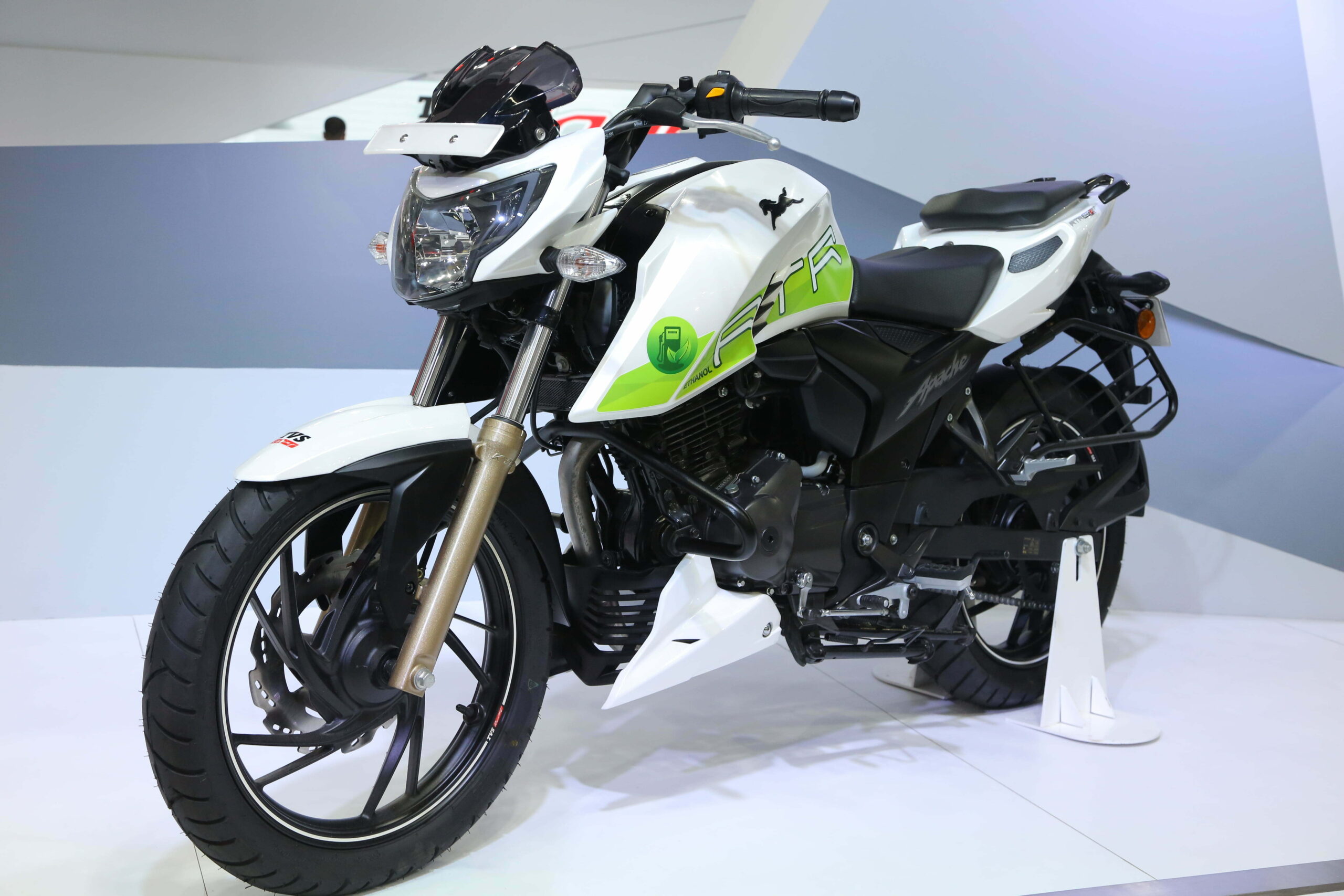
The government’s draft notification regarding E85, E100, and E25 ethanol fuel blends. Motorists with standard cars do not need to panic about high-blend E85 or E100 fuels arriving. These highly concentrated fuels will be dispensed separately and are meant exclusively for certified Flex-Fuel Vehicles. To function properly, these specialized vehicles require specific ethanol content sensors, high-capacity fuel pumps, larger fuel injectors, and cold-start heaters to handle the highly corrosive nature of ethanol.
Ethanol has a lower energy density than regular petrol, leading to an approximate 30% drop in overall vehicle efficiency. For consumers to actually embrace the shift, E85 must be priced at least 30% cheaper than regular petrol to offset the mileage loss — ideally dropping to roughly ₹70 to ₹75 per liter. Upgrading vehicle hardware for flex-fuel compatibility costs about the same as a standard CNG kit installation. However, flex-fuel vehicles currently lack strong tax incentives compared to the 5% GST bracket granted to EVs.
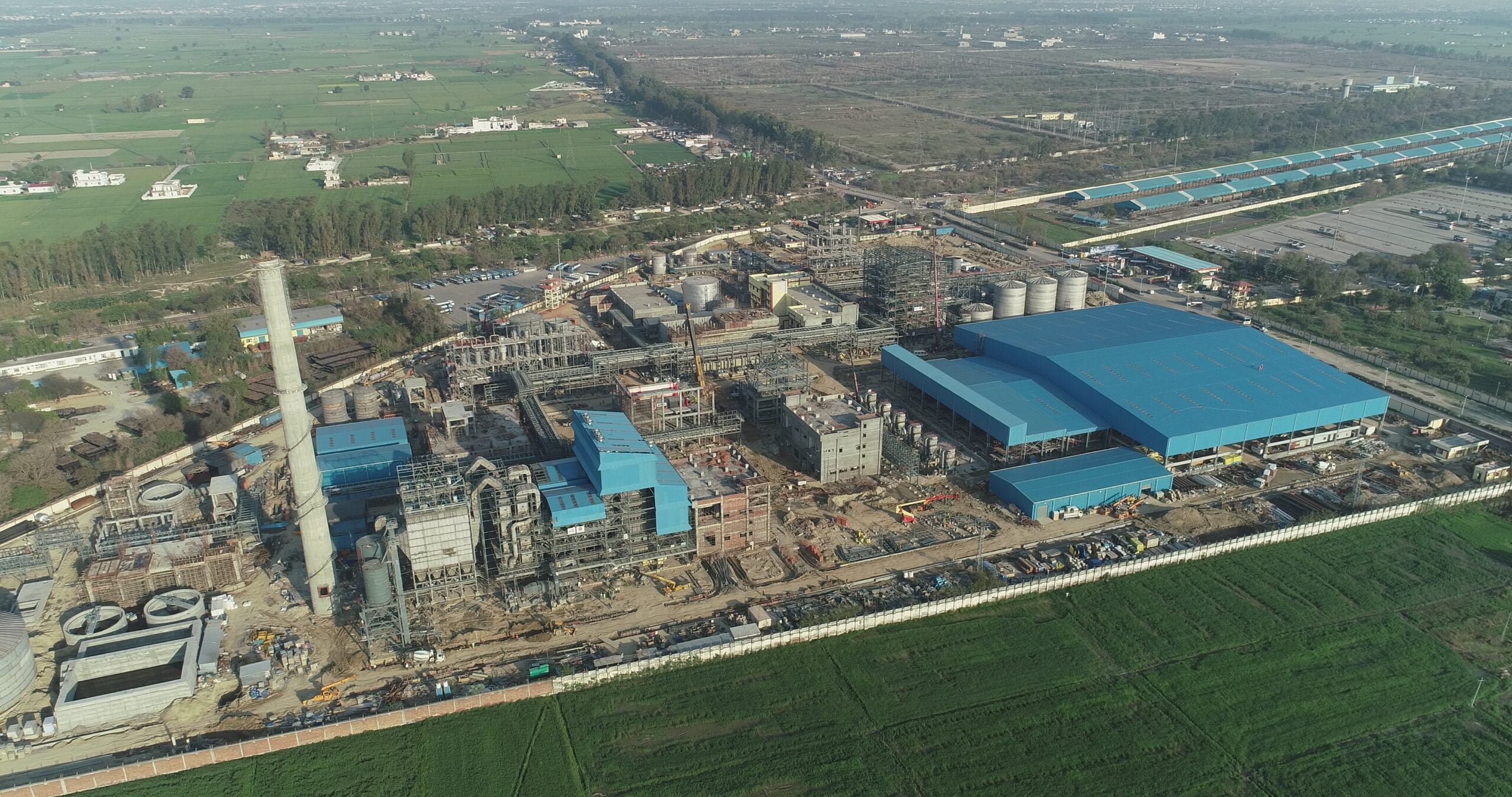
The most significant problem to everyday motorists is the government’s push to increase standard base fuel to E25. Moving to the current E20 standard has already caused a 3% to 12% drop in vehicle fuel efficiency. Older, pre-BS6 cars are hit the absolute hardest by these efficiency drops and face potential long-term engine wear. Pushing the standard blend to E25 will accelerate material degradation in older rubber and plastic engine components. While brand-new cars can handle E27 materials safely with hardware already put in, their ECU software is calibrated strictly for E20 fuel ratios as of now. Running E25 in an E20-calibrated car heavily alters the air-fuel ratio and noticeably hurts driving performance.
The underlying push for ethanol is heavily driven by the sugar industry, which has built a massive 2,000 crore liter capacity against a mere 1,100 crore liter domestic demand. Industry bodies are aggressively lobbying the Indian government to increase blending mandates simply to mop up this excess ethanol. Additionally, high global crude oil prices from West Asian conflicts are heavily draining the nation’s foreign exchange reserves, making ethanol blending a rapid, desperate fix to reduce massive oil dependency and protect the INR.
The government should maintain E20 as the absolute maximum standard base fuel to protect older and infact post 2024 consumer vehicles. Instead of forcing higher blends on regular exisiting cars, they should actively incentivize E85 and flex-fuel hybrids through aggressive fuel subsidies and lower vehicle taxation just like EV’s which will work rather well in government favor from consumer point of view too. The poor policy rollout till now already unfairly forces the everyday motorist to bear both the financial right now and mechanical brunt of the transition in the future.

