


Mercedes-AMG has introduced the Mercedes-AMG GT SUV, representing the brand’s first independently developed full-size SUV and the second vehicle built on the high-performance AMG.EA architecture. Manufactured at the Sindelfingen plant, the vehicle merges the spaciousness and practicality of a full-size SUV with sports car performance characteristics. It features a low center of gravity, a flat and dynamic silhouette, and lightweight construction concepts.
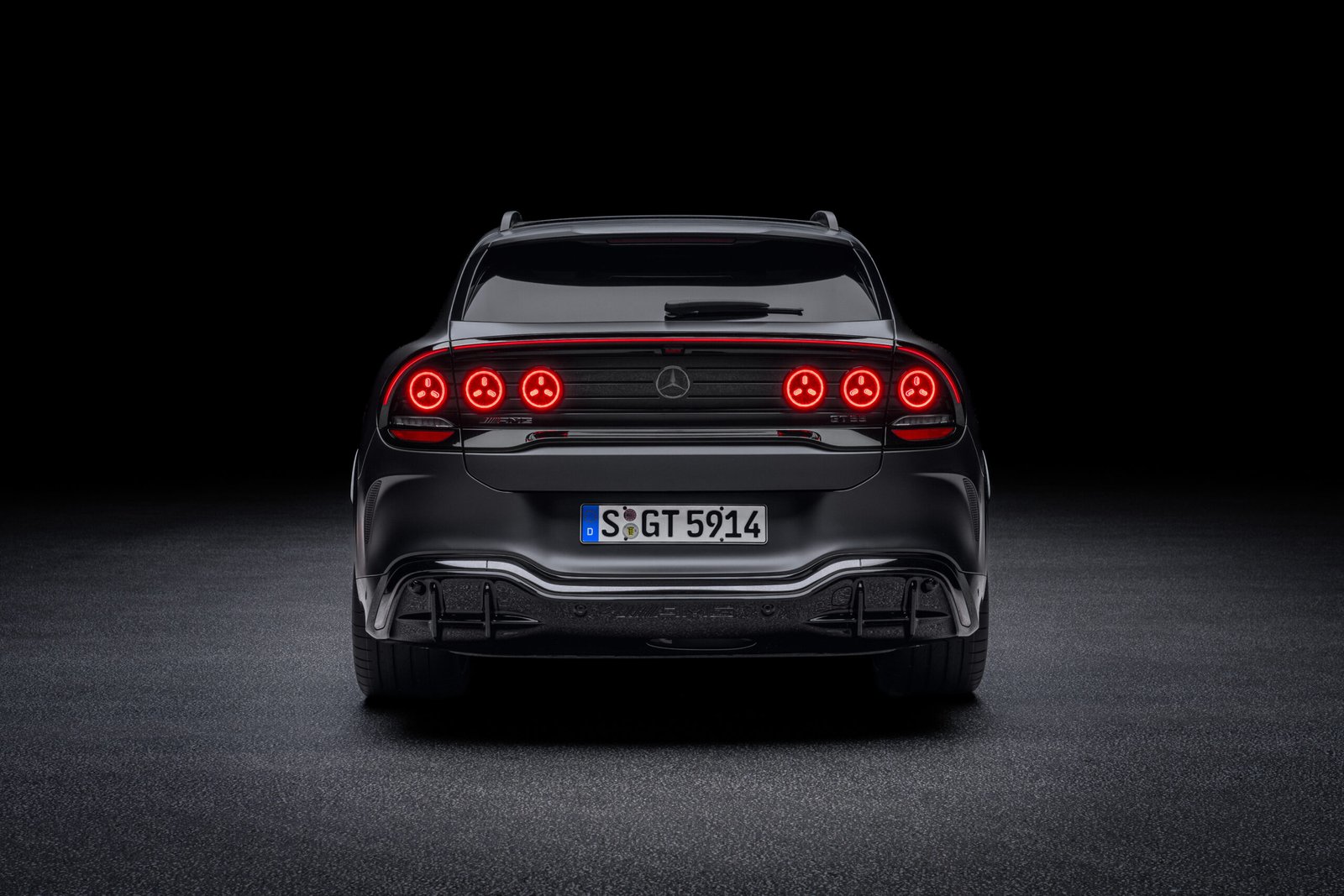
The vehicle lineup comprises three motorizations: the GT 53, GT 55, and GT 63. The entry-level Mercedes-AMG GT 53 SUV starts at 113,050.00 euros and becomes orderable on October 20, 2026, while the GT 55 and GT 63 models are scheduled to follow in the spring of 2027. The top-tier GT 63 model utilizes three axial-flux motors alongside an 800-volt high-performance battery with directly cooled round cells to deliver an output of up to 860 kW (1,169 hp) and a continuous power output of up to 530 kW. The GT 55 variant generates up to 600 kW (816 hp), and the GT 53 model uses two synchronous motors to produce 400 kW (544 hp).
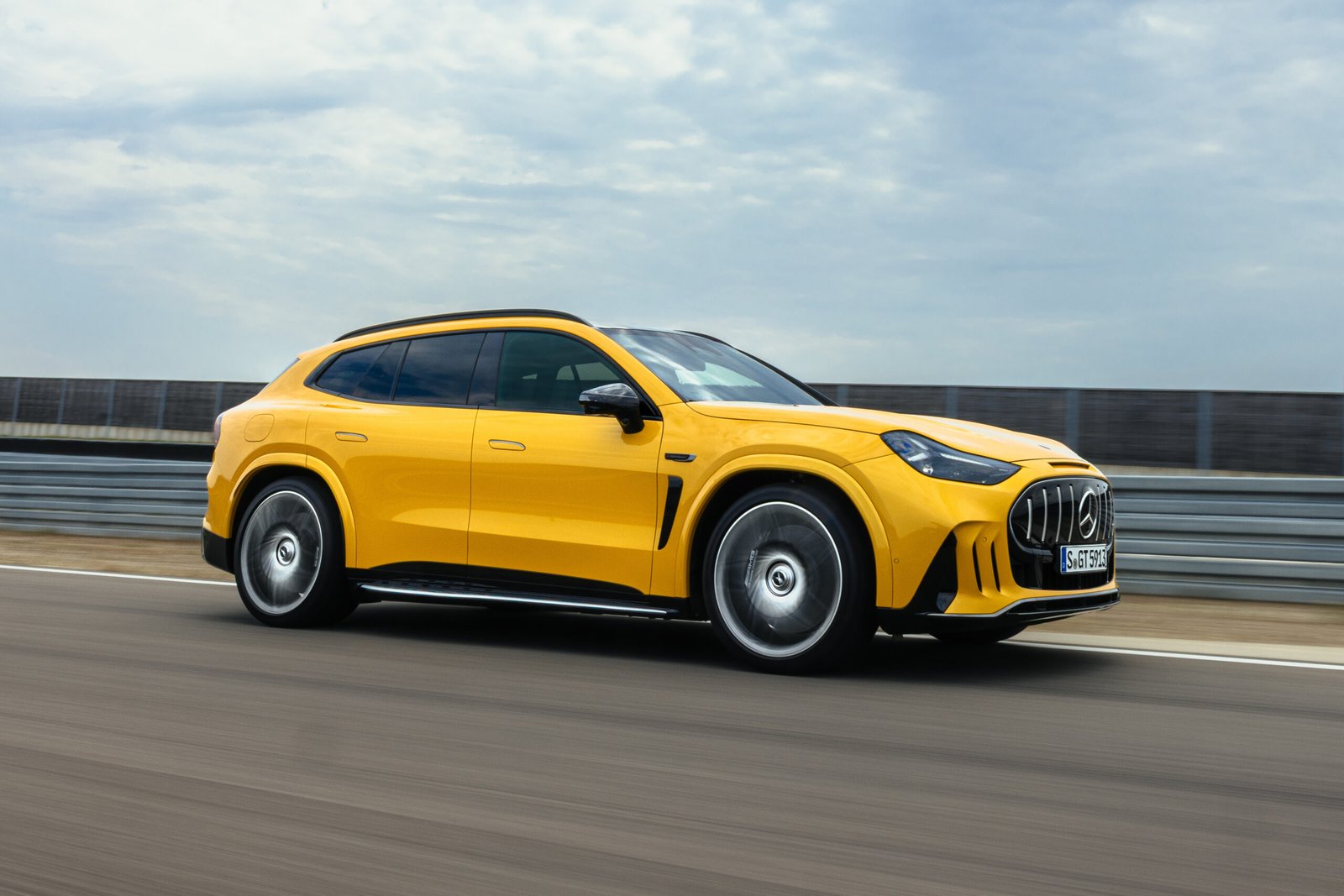
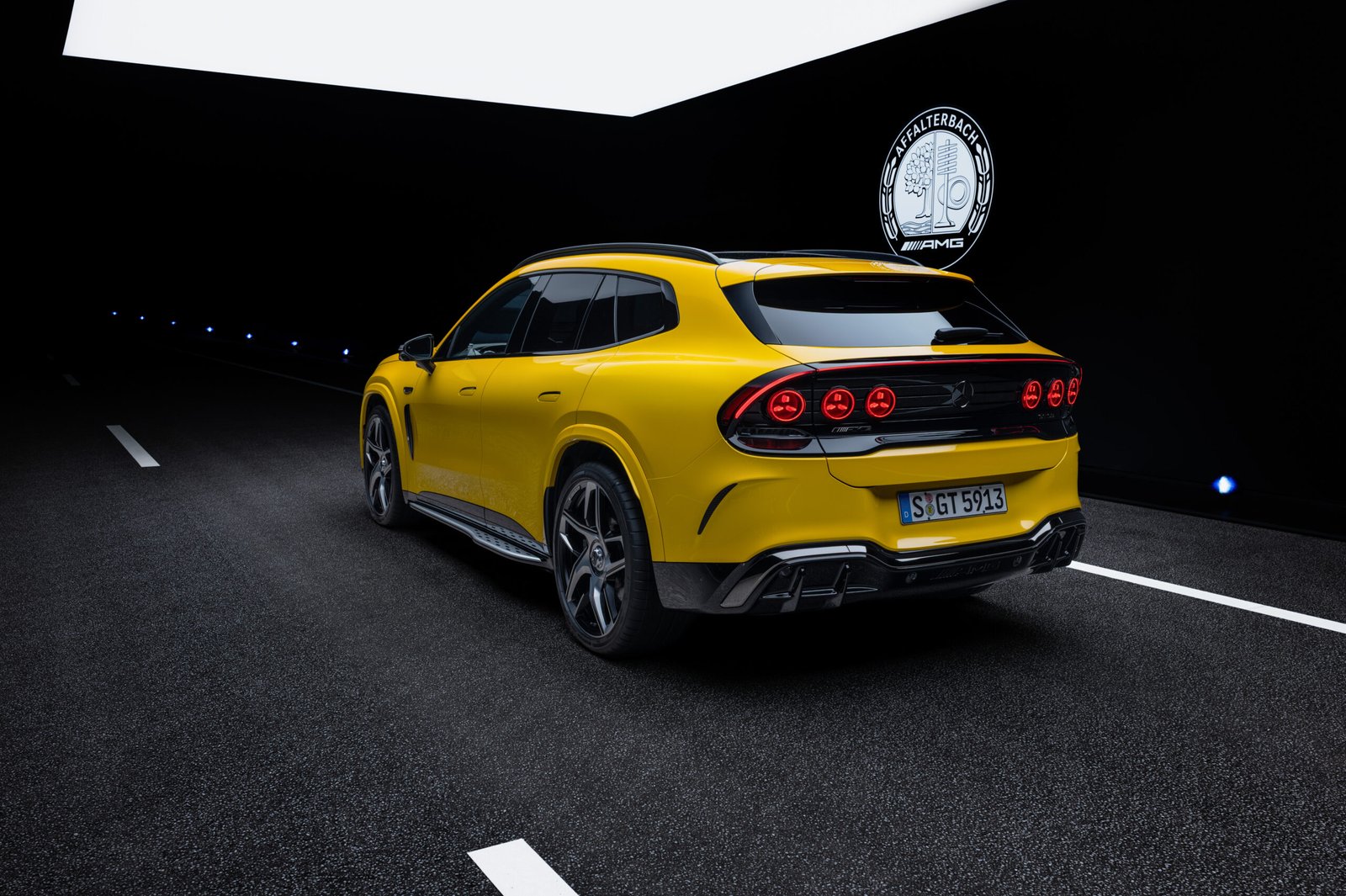
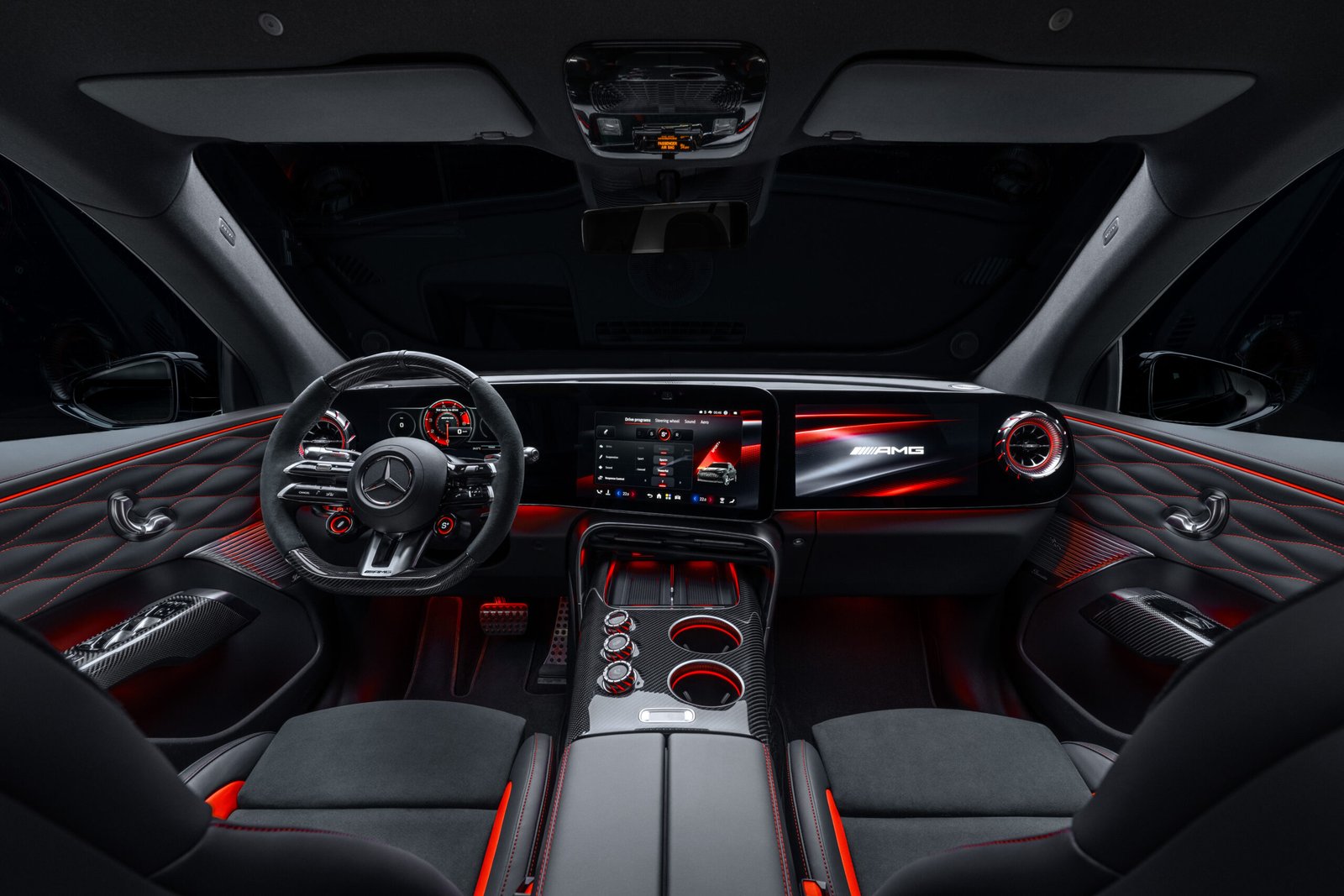
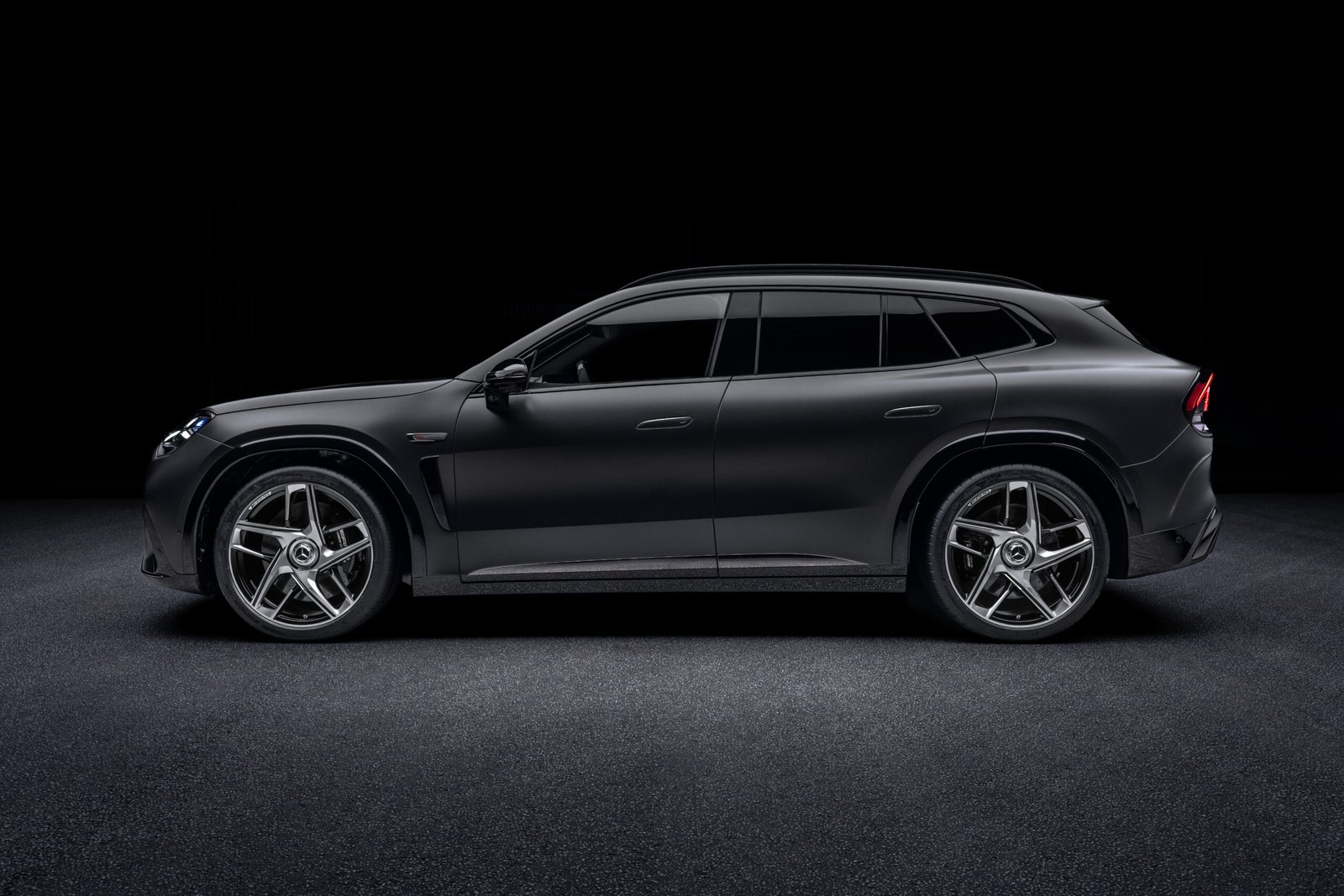
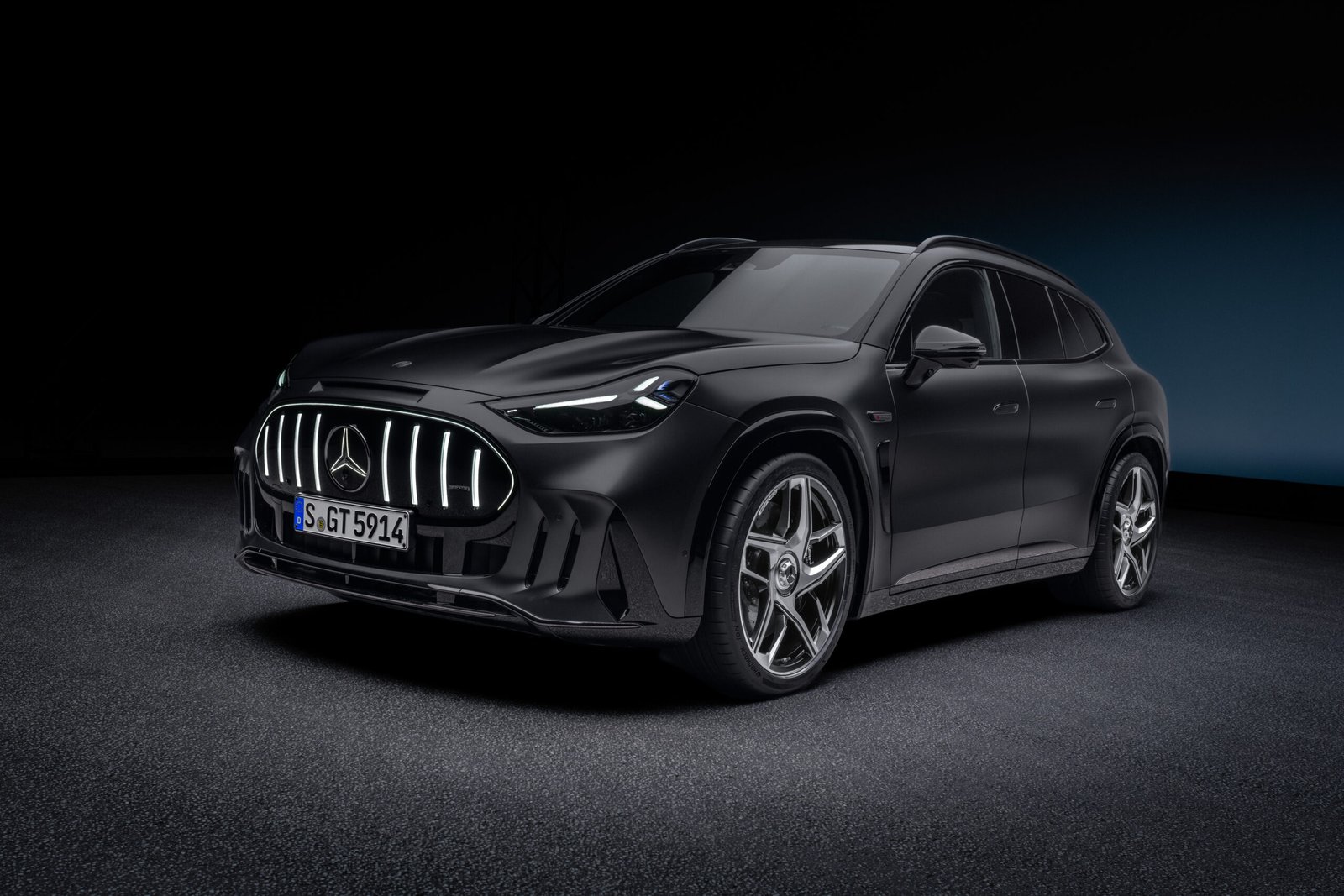
Performance specifications for the top-tier variant include an acceleration from 0 to 100 km/h in 2.5 seconds (using a 1-foot rollout) and a top speed of 270 km/h with the Driver’s Package. The high-voltage battery architecture supports direct current (DC) fast charging capabilities of up to 710 kW, enabling the replenishment of up to 450 kilometers of WLTP range within 10 minutes. Thermal management is regulated via a Central Coolant Hub, and the structural design integrates the battery pack into the crash-absorbing vehicle core.
Driving dynamics are managed via systems such as the AMG ACTIVE RIDE CONTROL+ suspension, which features active roll and pitch stabilization, rear-axle steering, and the fully variable AMG Performance 4MATIC+ all-wheel drive. Drivers can customize performance configurations using the AMG RACE ENGINEER interface and select from seven distinct driving programs, including an AMGFORCE Sport+ mode that generates acoustic profiles modeled after traditional AMG internal combustion engines. The interior incorporates a driver-oriented cockpit layout, MBUX operating systems integrated with artificial intelligence agents, and digital display configurations. Exterior specifications include active aerodynamic components such as an AEROKINETICS roof spoiler and an active airpanel system to optimize airflow and stability at higher speeds.

