


A motorcycle can look perfect in a showroom and feel tiring on your daily commute. Perhaps the seat becomes uncomfortable after twenty minutes, or fuel costs leave less money for weekend rides. These details matter when you are spending your own savings.
An affordable motorcycle should fit both your budget and your routine. That means checking how it feels, what it costs to run and which features you will actually use. Here is how to work through those choices without getting lost in technical terms.
Start With Your Everyday Journey
Think about a normal week before deciding what you need. A short ride through crowded streets places different demands on a motorcycle than a long journey along open roads.
• If traffic dominates your commute, pay attention to clutch effort and slow-speed control.
• If your route includes broken surfaces, check how the suspension handles small bumps.
• If you regularly carry a passenger, test the rear seat and available legroom.
Also consider where you park. Moving a motorcycle backwards out of a narrow space can reveal more about its suitability than sitting on it inside the showroom.
Set a Budget Beyond the Showroom Price
The advertised ex-showroom price does not represent your complete purchase cost. Ask for a written on-road quotation that separates registration, insurance and any additional items.
Keep money aside for a properly fitting helmet, gloves and other riding gear. Accessories can wait if buying them would stretch your budget.
If you need a loan, compare the down payment, interest rate, fees and total repayment. A smaller monthly instalment may simply mean paying for longer.
Leave room for petrol, servicing and unexpected repairs. A motorcycle is affordable only when you can comfortably manage the expenses after bringing it home.
Check Comfort Through Fit and Movement
Seat height matters, but the seat’s width also affects how easily your feet reach the ground. Sit on the motorcycle in your usual riding footwear.
Your shoulders should feel relaxed, your elbows slightly bent, and your knees comfortable around the tank. You should reach the controls without stretching.
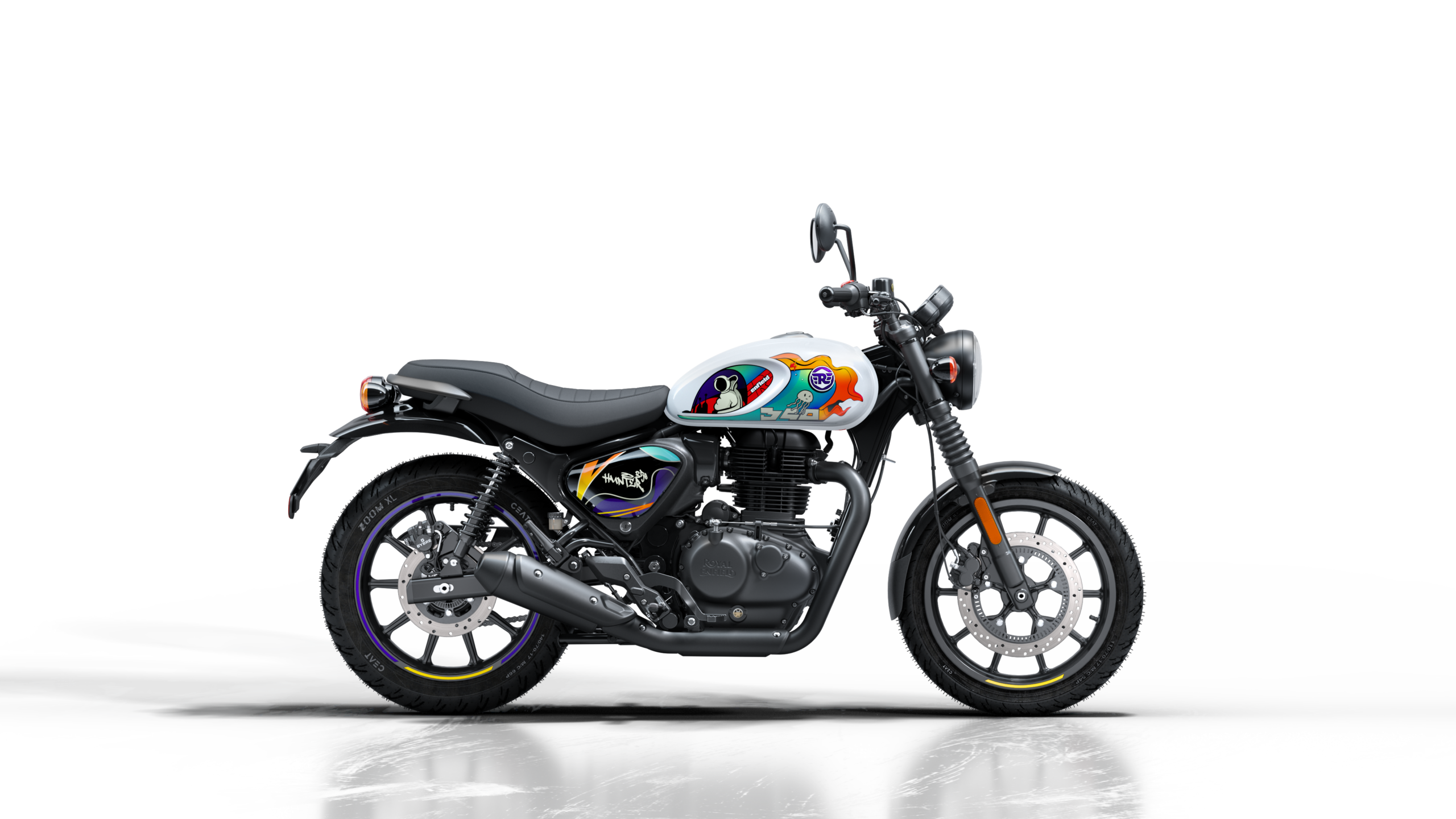
For example, the Royal Enfield Hunter 350 has a seat height of 790 mm. That measurement offers a starting point, but your leg length and confidence still determine whether it fits.
Check the seat while riding, too. Pressure points, wrist strain and cramped knees may become noticeable only after several kilometres.
Judge Mileage Through Actual Fuel Costs
Mileage tells you how many kilometres a motorcycle travels on one litre of petrol. However, traffic, passenger weight, tyre pressure and riding habits can change the result.
Ask owners about fuel use on routes similar to yours. Treat their figures as useful context rather than a promise.
Use a Simple Monthly Calculation
Suppose you ride 900 kilometres monthly and average 30 kilometres per litre. You would use about 30 litres. At an assumed petrol price of ₹100 per litre, that means ₹3,000 a month.
These are sample figures. Use your local petrol price and a realistic mileage estimate when planning your expenses.
Fuel Efficiency vs Comfort: Find Your Compromise
A small mileage advantage may matter less if the riding position leaves you sore halfway through your commute. Equally, occasional weekend rides may not justify fuel expenses that strain your monthly budget.
Work out the difference in monthly petrol costs between your shortlisted options. Then weigh that amount against seat comfort, clutch effort and how well each handles your usual roads.
Choose the balance you can live with every day. A comfortable motorcycle does not automatically use more fuel; assess both qualities separately.
Compare Variants for Value for Money
Different variants of one motorcycle can share an engine yet offer different brakes, tyres and equipment. Ask for separate quotations so you can see what the extra money buys.
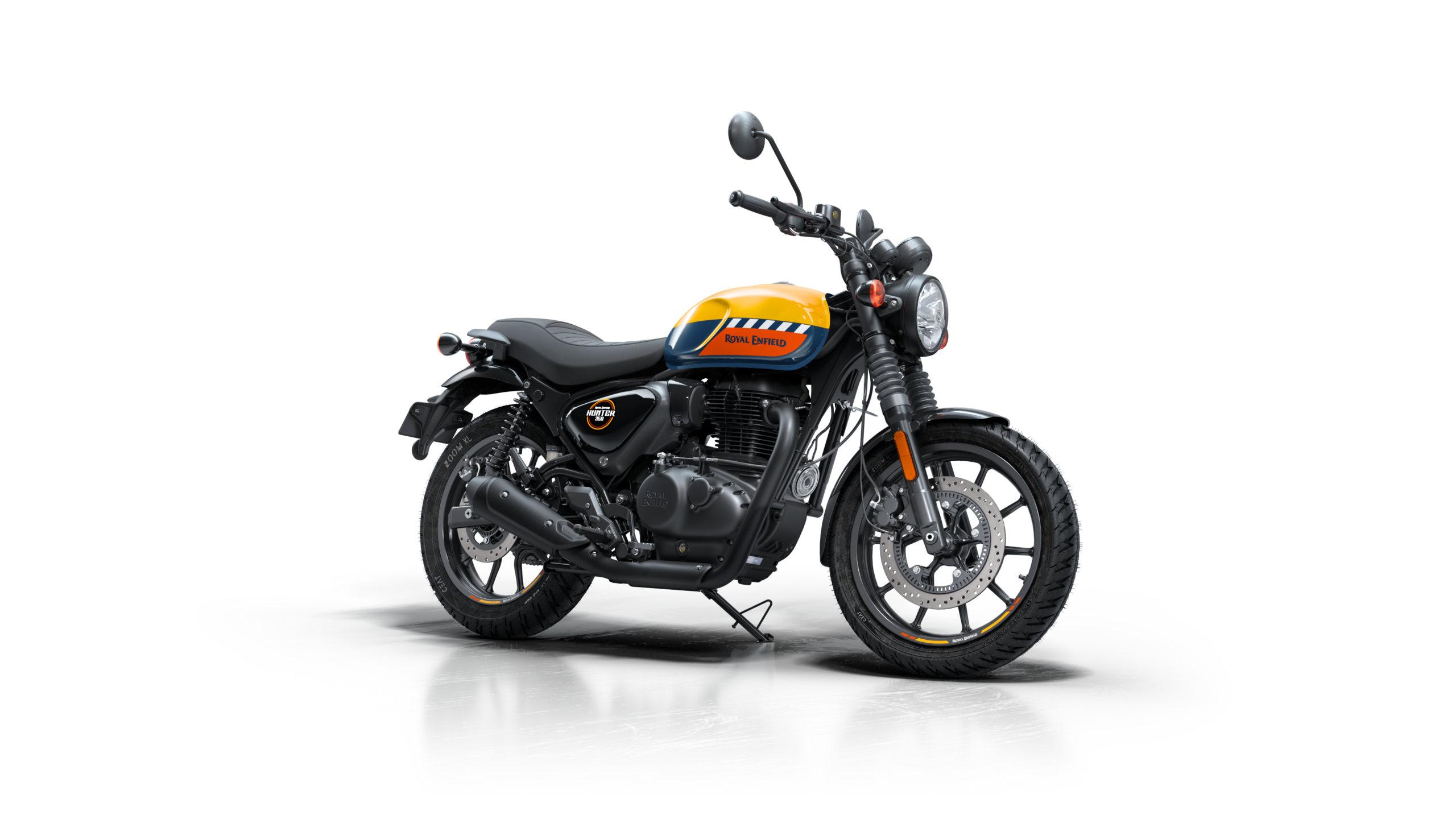
For the Royal Enfield Hunter 350, the current Base Premium variant has alloy wheels with tubeless tyres, a rear drum brake and single-channel ABS. Mid and top variants add a rear disc brake, dual-channel ABS, an LED headlamp and Type-C fast charging.
ABS helps prevent wheel locking during braking. Single-channel ABS controls the front wheel here; dual-channel ABS works on both wheels.
Use these differences to guide your decision:
• Prioritise useful braking equipment before cosmetic extras.
• Check whether a higher variant adds equipment or mainly changes the colour.
• Confirm whether navigation is included or costs extra.
If two variants meet the same needs, paying more for a preferred finish is a personal choice. Pay only what you can comfortably afford.
Remember Servicing and Everyday Upkeep
Fuel is only one running expense. Ask about scheduled service intervals, labour charges and the likely cost of routine replacement parts.
Find out how far you would travel to an authorised Royal Enfield service centre. A convenient workshop matters when you need maintenance during a busy week.
Read the owner’s manual for tyre pressures, chain care and inspection instructions. Follow the specified service schedule rather than waiting for something to feel wrong.
Tyres, brake pads and the chain wear with use. Allow for their eventual replacement when assessing ownership costs. Good maintenance also helps the motorcycle run consistently and avoids neglect that can lead to larger repair bills.
Consider Resale Value and Long-Term Ownership Costs
Estimate ownership costs over the years you expect to keep the motorcycle. Include fuel, servicing, insurance renewals, loan interest and replacements such as tyres, brake pads and the chain. Subtract a cautious estimate of its resale price.
Check asking prices for used Royal Enfield motorcycles of similar age and mileage. Remember that asking prices can differ from completed sale prices.
Condition, service records, accident history and local demand can influence resale value. Keep invoices and maintain the motorcycle as specified. Avoid assuming that accessories will recover their price when you sell.
Make the Test Ride Count
Ask for a route that includes traffic, turns and uneven surfaces. Ride at legal speeds and avoid testing unfamiliar controls while moving.
Practise a normal stop, check the mirrors and notice how the motorcycle behaves when turning slowly. If permitted, include your regular passenger.
Afterwards, write down what felt comfortable and what bothered you. Discuss any possible adjustment with the dealer before assuming an accessory will fix it.
Choose Around Your Priorities
The right balance comes from your everyday needs. Pick a motorcycle that feels comfortable, keeps running costs manageable and provides useful equipment within your budget. A careful test ride and a clear quotation make that decision easier.
You may accept fewer convenience features for better comfort, or pay slightly more for braking equipment you value. Know why each compromise suits you, and choose the variant you can enjoy owning beyond the first month.

