


Every enthusiast who has built a high-output car eventually meets the same wall. The engine makes numbers that look spectacular on a dyno sheet, the clutch or converter is fresh, the tune is clean, and yet the car leaves the line with a flare, a shudder, and an elapsed time that refuses to improve. More boost does not fix it. A bigger cam does not fix it. The power is already there; it simply has nowhere useful to go.
What is usually missing is control over the handful of inches where rubber, rim, and pavement all have to agree with each other.
A launch is a brutally short event, and almost everything that decides it happens in the first sixty feet. If the tire can rotate on the rim, if the sidewall collapses in a way nobody planned for, or if the chassis unloads the rear axle at exactly the wrong moment, that energy turns into noise and heat instead of forward motion. So the smart modification list for hooking harder looks nothing like the usual horsepower shopping cart. It starts at the contact patch and works backward, and it treats the wheel as a load-bearing component rather than jewelry.
Where Launch Energy Quietly Disappears
Traction loss rarely announces itself as one dramatic failure. It shows up as inconsistency: a 1.55 sixty-foot time on one pass, a 1.72 on the next, with nothing changed but track temperature and the driver’s patience. Tuners chase the engine because the engine is measurable, while the real variable sits under the car moving in ways nobody logged.
Drag slicks are designed to deform. Hoosier describes its drag slicks as wrinkle-wall tires built for sidewall stability during high-torque launches, which is a polite way of saying the tire is supposed to twist, store energy, and release it as the car moves out. That behavior is an asset, but only when the bead stays exactly where it was mounted. The moment the tire indexes on the rim, the carefully engineered wrinkle becomes an uncontrolled slip, and every pass after that is a guess.
Low air pressure makes the problem sharper. Sportsman racers run pressures that would terrify a street driver, because a soft tire puts more rubber on the ground and softens the initial hit. A conventional wheel relies on air pressure to wedge the bead against the rim flange, so taking the pressure away takes the retention away with it.
The Clamping Force That Changes Everything
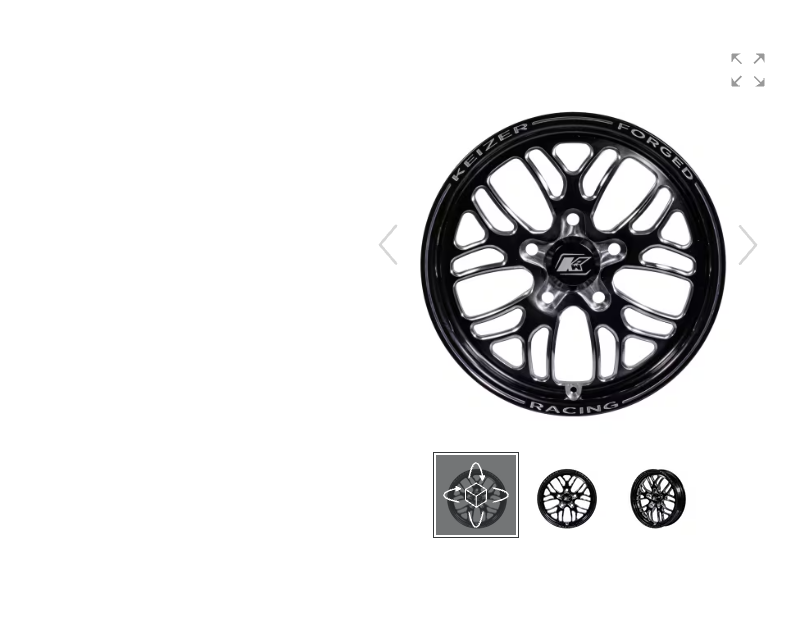
This is the part of the build most people skip, and it is the one that makes the rest of the list work. NHRA’s own technical explainer on beadlock wheels puts it plainly: beadlocks mechanically squeeze the tire bead against the wheel with a bolt-on ring, which lets the tire stay put at single-digit pressures and stops the wheel from spinning inside the tire.
Purpose-built drag racing wheels exist for that reason. They are engineered around clamping force, concentricity, and a center section stiff enough to transmit a violent torque spike without flexing, and they shed rotational mass at the same time, so the engine spends less of its effort accelerating the wheel itself. A heavy cast rim is a flywheel bolted to each corner, and nobody builds a flywheel on purpose at the end of a driveline.
Fitment matters as much as construction. Backspacing determines whether the tire sits square under the car, and bead seat width determines how the sidewall stands up when the hit arrives. Get those wrong and you will spend a season tuning around a geometry problem.
Supporting Modifications That Earn Their Keep
With retention solved, the rest of the package starts to repay attention. Rear suspension comes first: an adjustable upper control arm, a proper set of double-adjustable shocks, and an anti-roll bar give you a way to plant the tire rather than hope for it. A car that squats evenly and stays there will outrun a car that wheelies impressively and then unloads.
Driveline slop is the next thief. Worn bushings, a tired converter, and a loose pinion angle all introduce lash, and lash converts a clean torque delivery into a hammer blow that the tire cannot absorb. Tightening those pieces does not add power, yet it routinely finds a tenth.
Then there is the tire compound itself, which is a chemistry problem more than a mechanical one. Compound development has moved fast across the whole industry, and even road tire research now balances silica and polymer behavior to trade wear for grip, as Bridgestone’s TECHSYN platform demonstrates. The lesson carries over: compound choice is a tuning lever, not a detail.
Testing Until the Numbers Repeat
None of this is finished at the moment of installation. Pick one variable, change it, make two passes, and write down what happened, because a launch package is validated by repetition rather than by a single heroic run. Racers who keep notes on pressure, shock setting, and sixty-foot times find their combination far faster than racers who adjust three things at once and then argue about which one worked.
Expect the car to feel different before it feels better. A properly clamped, lighter wheel package often makes the hit sharper, which can expose a shock setting or a converter choice that the old slop was hiding. That is progress, even when the first pass looks worse on paper.
The honest summary is that hooking harder is a systems exercise. Power creates the opportunity, suspension manages the weight transfer, and the wheel and tire decide how much of it ever reaches the pavement. Fix the contact patch first, and every other modification you have already paid for finally gets to do its job.

