


Atria Group launches Atria Mobility, a rapid charging EV infrastructure company focused on building India’s most reliable EV charging network and enabling long-distance electric mobility for all EVs, including passenger buses and heavy commercial vehicles. The company has commissioned the world’s first megawatt-scale rapid-charging corridor for long-distance intercity electric buses, enabling commercial electric bus operations on the 600+ km Bengaluru–Hyderabad route.
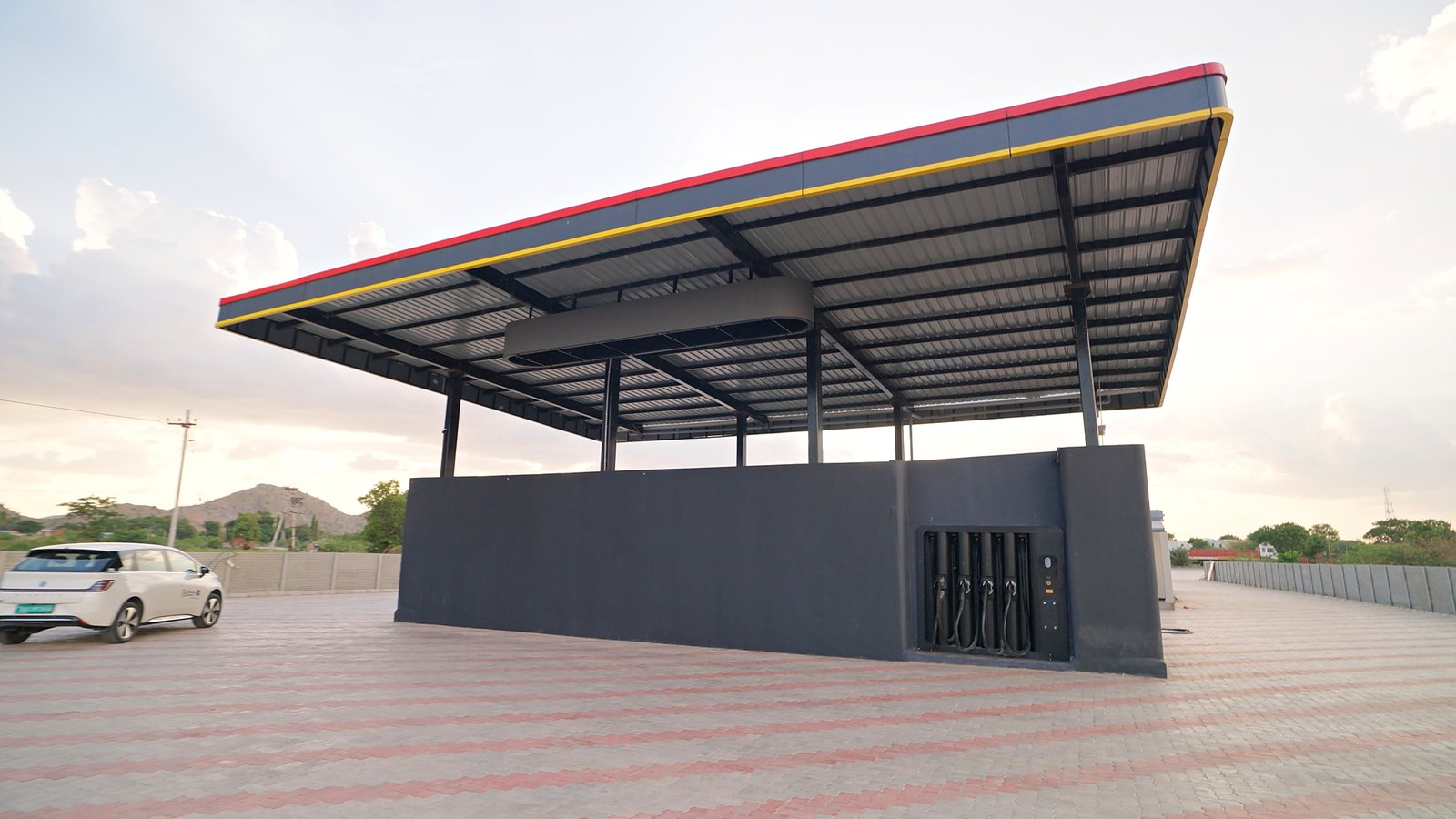
The corridor comprises two charging stations at CK Palli in Andhra Pradesh and Undavelly in Telangana, each equipped with a 1.5 MW rapid charger capable of fully charging a 13.5-metre electric AC sleeper bus in approximately 15 minutes. Commercial operations on the corridor commenced on 11 September 2026 with Fresh Bus as the bus operator. Till date the stations have completed 1670+ charging sessions for EV buses, with 250 charging sessions taking place per week at both Ananthpur and Kurnool.
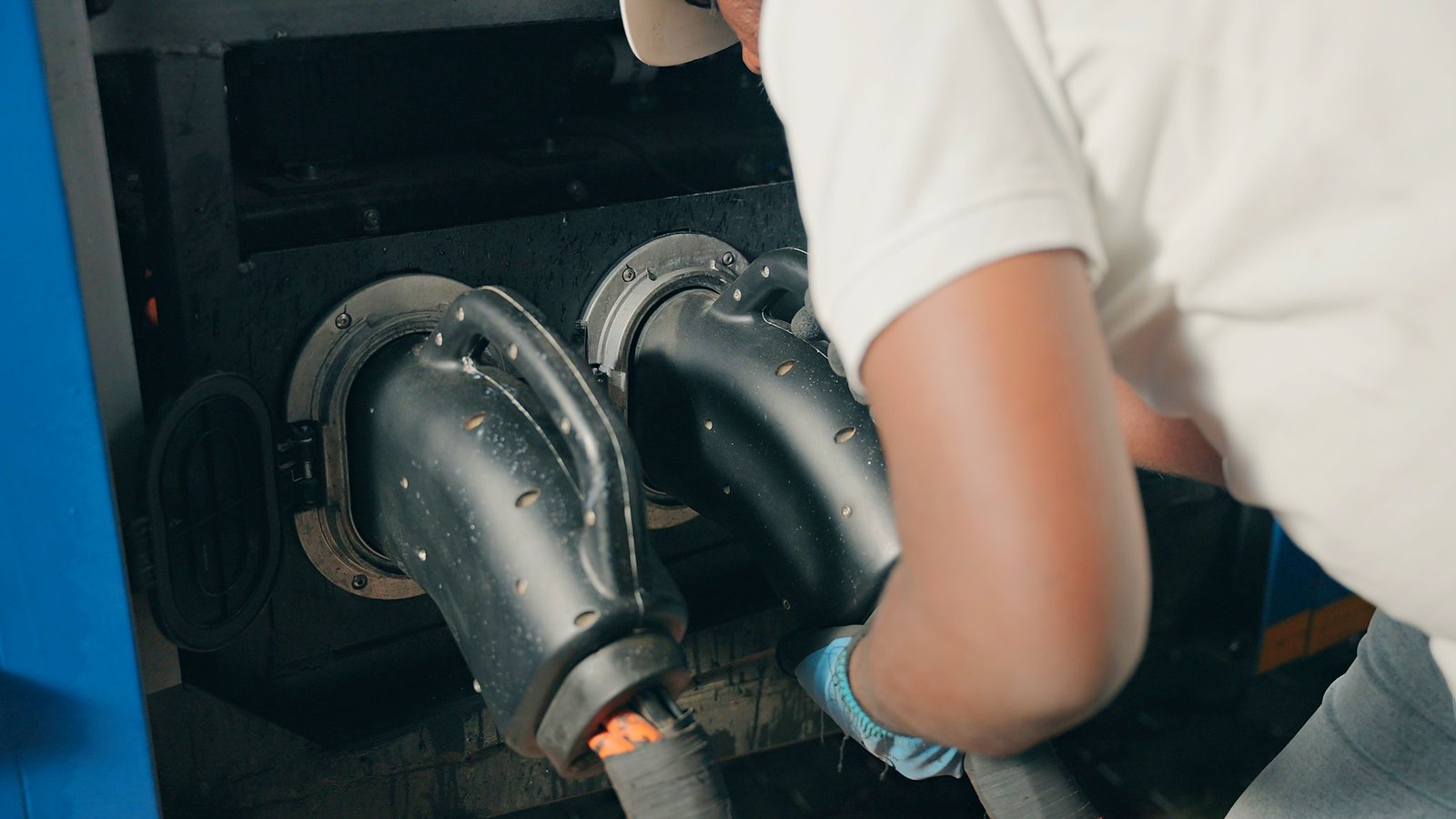
Long-distance operations have been a key challenge for electric buses in India. Electric intercity buses have typically operated on routes of around 300–350 km, as conventional charging can take 45–60 minutes. On longer journeys, charging halts can add up to two hours to travel time, making electric buses difficult to operate on schedules comparable with diesel buses.
Atria Mobility’s megawatt-scale charging infrastructure addresses this constraint by reducing charging halts to approximately 20 minutes at strategic points along the route. This enables electric buses to undertake journeys of more than 600 km while keeping charging turnaround closer to the requirements of commercial intercity operations.
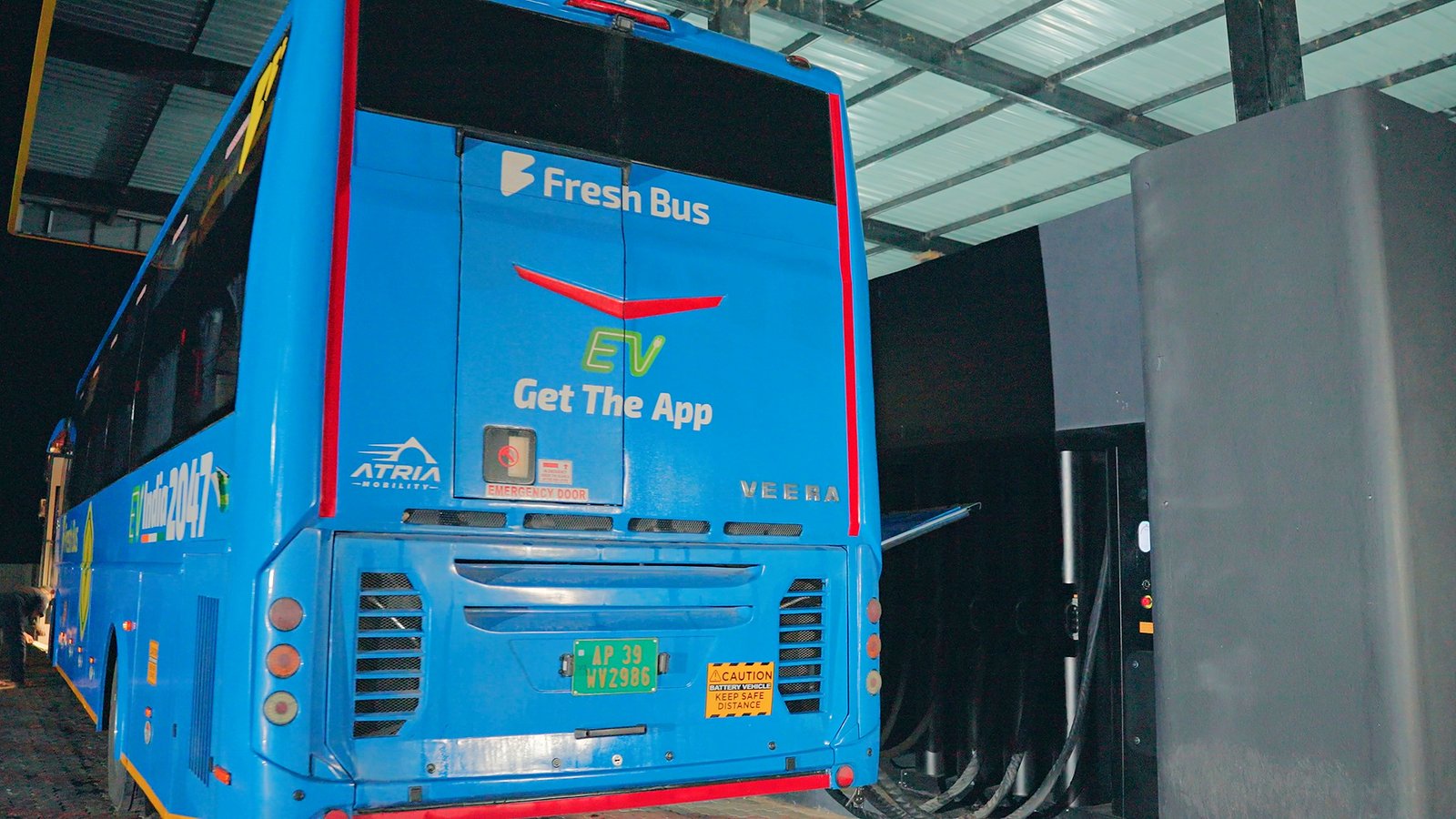
The corridor currently supports daily services in both directions. Fresh Bus operates twelve electric buses financed by Atria Mobility with an additional 8 buses to be operational very shortly, including other operators there will be nearly 30 buses plying daily on the corridor. The buses are Veera Vidyut Vahana’s 13.5-metre MAHAsamrat Electric AC Sleeper, with a 420 kWh battery.
“For electric mobility to scale beyond city routes, the charging infrastructure has to work around the realities of commercial transport. Long-distance buses cannot afford hours-long charging stops. Megawatt-scale charging changes that equation, allowing a bus to recharge during a short operational halt and continue its journey. With the Bengaluru–Hyderabad corridor, we are demonstrating that electric buses can operate over 600-kilometre routes while meeting the turnaround requirements of intercity travel. This is also the beginning of a larger ambition for us; to bring together Atria Group’s experience in renewable energy and infrastructure with reliable charging to build an energy-to-mobility network that can support cleaner long-distance travel,” said Karthik Raju, Managing Director, Atria Mobility.
In addition to the 1.5 MW rapid chargers each station also features a 360 kW CCS2 charger, making the infrastructure accessible to other CCS2-compatible electric vehicles. The two commissioned stations together have approximately 3.7 MW of installed charging capacity.
Atria Mobility is expanding its network across South India and Maharashtra, with two additional stations in Bengaluru and Hyderabad under construction. The company plans to develop approximately 20 strategic charging locations over the next 24 months, combining standard CCS2 charging with 1.5 MW rapid chargers at key points on major intercity routes. It will also partner with passenger, logistics and delivery fleets to accelerate commercial EV adoption.
Atria Mobility plans to progressively transition its charging network to 100% renewable power, drawing on Atria Group’s renewable-energy capabilities to connect clean generation with the growing demand for EV charging.

