


In the first half of 2026, the Indian luxury car market recorded a 4% year-over-year growth, reaching a total of 26,688 retail registrations. BMW Group India and Mercedes-Benz India maintained their dominance, collectively capturing nearly 75% of the market. Based on Vahan retail registration data, BMW secured the leading position in retail sales with 10,043 vehicles, marking a 15% year-over-year increase and claiming a 38% market share. Mercedes-Benz followed with 9,472 retail units, a 3% decline, translating to a 35% market share. However, in terms of overall customer deliveries during this period, Mercedes-Benz maintained an edge with 9,768 units compared to BMW’s 9,075 units.
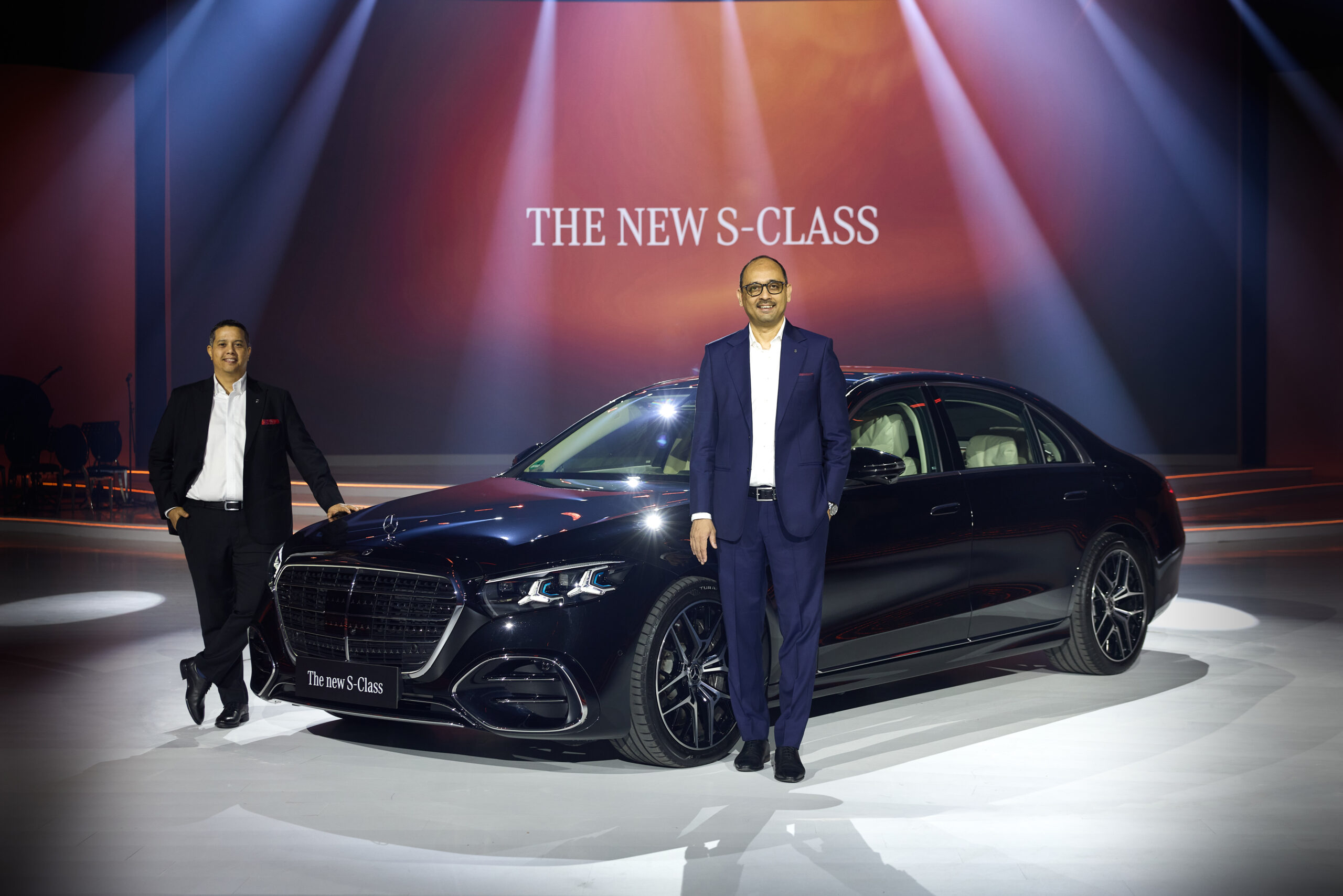
Electric vehicles and top-tier luxury models played a significant role in shaping the competitive landscape. BMW reported a 78% year-over-year growth in EV sales, reaching 2,359 units and commanding a 69% share of the luxury EV category, driving its overall EV penetration to 26%. Meanwhile, Mercedes-Benz focused heavily on profitability, doubling its EV penetration to 14% in the second quarter and achieving a 20% growth in its top-end vehicle portfolio. The brand also saw a 50% surge in sales for its AMG performance models.
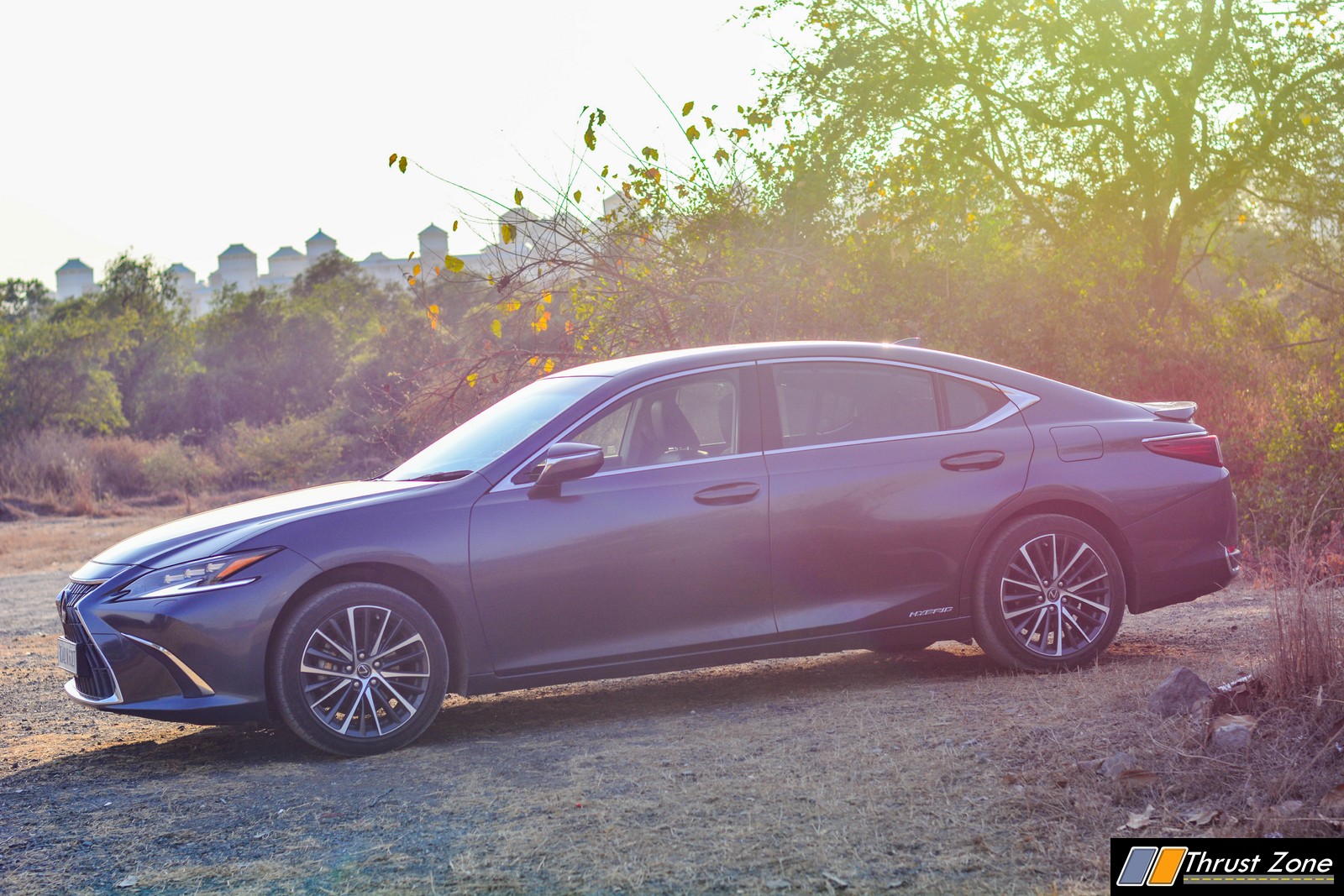
Other luxury automakers maintained their market presence with varying results. Land Rover retailed 3,039 vehicles, experiencing a 5% decline year-over-year. Audi held its ground with 2,182 units, registering a 3% growth. Volvo and Lexus also posted modest gains, with Volvo selling 874 units (up 4%) driven by its electrified and safety-focused portfolio, and Lexus retailing 759 units (up 3%), supported by sustained demand for its self-charging hybrids. BMW is set to take the lead in the next few months and years as its strong portfolio of new cars launched globally will reshape Indian luxury car market forever.


