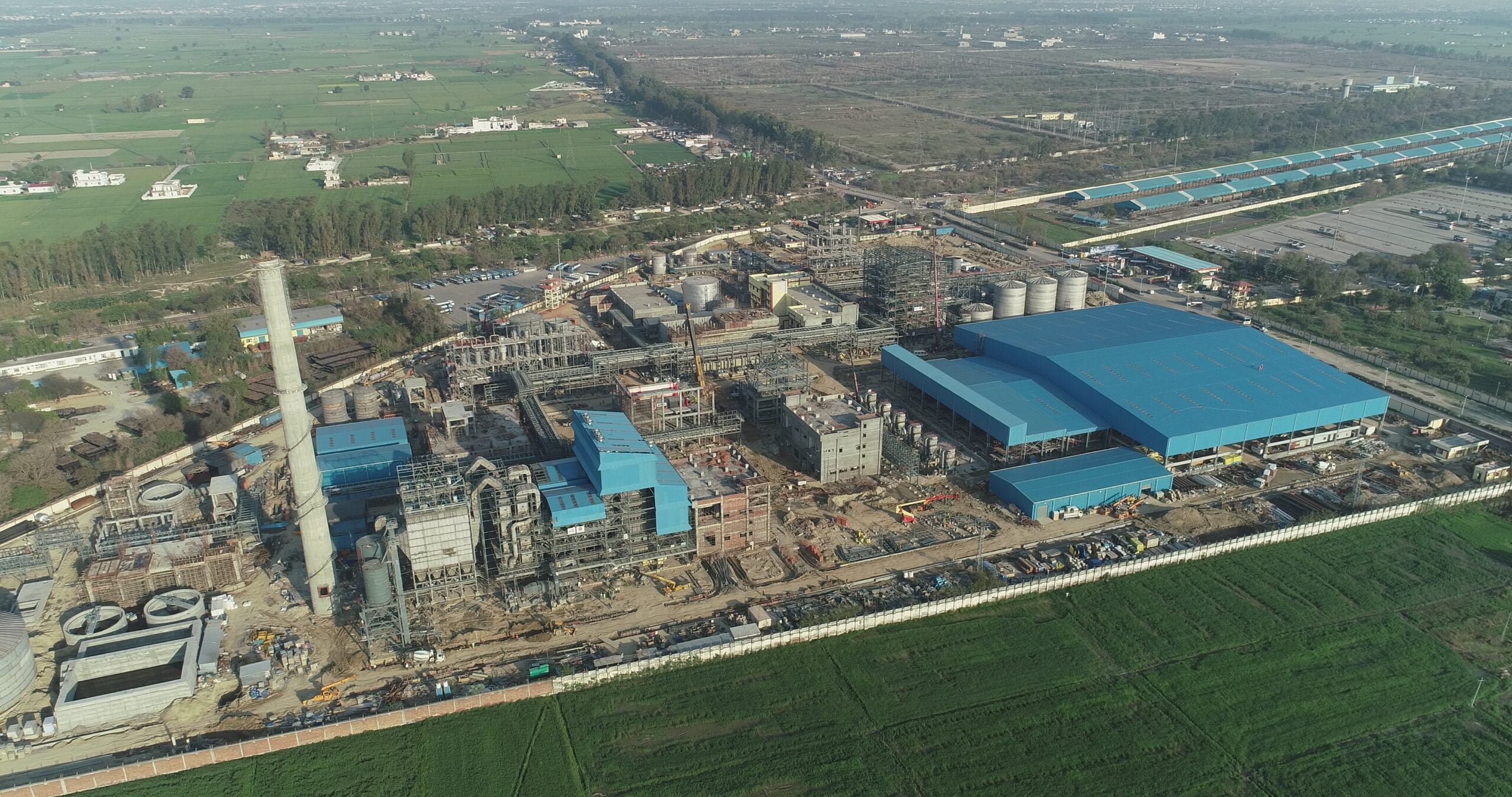
All India Distillers Association and ThrustZone discussed key aspects and how and where Ethanol blending makes sense. The right marketing and roadmap required to make it a success instead of it being just a matter of social media topic that is discussed with misinformation, lack of direction and ending up fueling controversy. Let’s look at the key pointers and discuss it even further to make it simpler for the audience to go through.
*Ms. Bharati Balaji Deputy Director General All India Distillers association* said, “The Centre’s decision to exempt E22, E25, E27, and E30 fuels from excise duty is a landmark step that will accelerate India’s energy transition. For the distilling industry, this is a powerful demand-side signal, it creates a clear commercial pathway to deploy our surplus ethanol production capacity, which currently stands well above E20 programme requirements. AIDA has long advocated that fiscal incentives must keep pace with blending ambitions, and today’s announcement does exactly that. It strengthens farmer incomes, reduces our crude import bill, and reinforces India’s energy security at a time when global fuel markets remain deeply volatile. We urge state governments to complement this measure with aligned Tax structures so that the full benefit reaches both industry and consumers at the pump.”
1. Ethanol supports Indian agriculture and reduces fuel imports, utilizing surplus grain production of over 16-18 million metric tons.
2. Grain-based ethanol dominates at around 70%, with separate supply chains limiting sugarcane ethanol growth.
3. E20 blending date advanced to 2025 due to urgency; petrol price reductions could improve consumer adoption of ethanol.
4. Flex fuel vehicles (FFVs) are vital for boosting ethanol use, allowing drivers to choose between petrol and ethanol.
5. Infrastructure updates needed for ethanol supply; existing blending practices limit broader rollouts.
6. Current ethanol capacity is 2,000 crore liters annually, sufficient for early E85 and E100 adoption over the next three years.
Ethanol Industry’s Role in Agriculture and Energy Security
The ethanol industry significantly supports Indian agriculture and reduces dependence on imported fuels.
• Ethanol uplifts agrarian economies and reduces imports by using surplus grain production, which is over three times the mandated grain stock of 16 to 18 million metric tons
• Majority of India’s population, over 50%, depends on agriculture, which has grown post-Covid due to reverse migration
• Government supports farmers through MSP, which is set above global prices, but surplus stock leads to taxpayer burden
• Ethanol production from grains like maize provides an alternative market for agricultural produce, especially in East India and maize-growing states like Bihar and Odisha
• This support helps stabilize farm incomes and reduces waste from stock liquidation
• Grain-based ethanol dominates production with about 70% share, while sugarcane-based ethanol is limited by geographic constraints and industry structure
• Sugarcane ethanol plants and grain-based ethanol plants operate separately and cannot interchange raw materials
• Sugar industry growth is stagnant, but grain-based ethanol is a newer, expanding industry meeting growing fuel demand
• Ethanol blending policy timing and market readiness impacted rollout effectiveness; originally planned for 2030, E20 was advanced to 2025 due to industry growth.
• Government acted to rapidly increase indigenous fuel options and support farmers amid urgent energy security concerns
• Price adjustments such as reducing petrol by 4-5 rupees to offset ethanol blending costs could have eased consumer acceptance and improved rollout smoothness
• Public concern over reduced fuel efficiency and lack of petrol price relief slowed urban adoption despite ethanol’s benefits
• Commercial vehicle adoption of ethanol fuels is key to scaling impact and urban air quality improvements
• Public transport and ride-hailing fleets run high mileage, making them ideal candidates for E85 or E100 flex fuel vehicles
• Personal mobility is shifting toward EVs due to lower operating costs, increasing ethanol’s relevance for commercial vehicles
• Wider commercial use will help cities become cleaner and drive demand for ethanol infrastructure and vehicles
Product Strategy and Vehicle Readiness for Ethanol Fuel – Flex fuel vehicles (FFVs) and their market positioning are critical for ethanol adoption, with a shift needed toward higher ethanol blends.
• Industry consensus favors flex fuel vehicles running on E85 or E100 over blended fuels to simplify infrastructure and improve consumer choice
• FFVs allow drivers to choose between petrol and ethanol based on availability and price
• E100 removes the need for blending tanks at depots and fuel stations, reducing infrastructure complexity and costs
• Government and manufacturers are exploring incentives for FFV buyers to boost adoption
• Several Indian OEMs are preparing vehicles compatible with higher ethanol blends, including Tata, Maruti, Toyota, and Honda.
• Tata and Maruti are advancing flex fuel vehicle launches; Toyota has decades of FFV experience
• Honda City models have supported E85 for over 20 years; BMW already supports E30 blends internationally
• Software tuning for new models may take 6 to 12 months before full deployment
• Infrastructure readiness and fuel supply logistics remain major bottlenecks
• Ethanol is blended at oil depots before distribution; direct ethanol supply to pumps is not current practice but is seen as future opportunity
◦ Policy clarity and infrastructure investment at depot and pump levels must keep pace with vehicle rollout
◦ Coordination with IOCL and OMCs is critical to ensure timely fuel availability as vehicles launch
◦ Industry capacity currently stands at around 2,000 crore liters annually, sufficient for initial E85 and E100 deployment for at least three years
◦ Capacity growth has slowed due to overcapacity and market stresses
◦ Capacity is adequate to support early FFV rollout and build consumer confidence
Policy, Pricing, and Taxation for Ethanol and Flex Fuel Vehicles- Effective policy and fiscal measures are essential to accelerate ethanol fuel adoption and level the playing field with EVs.
• Government decisions on consumer incentives for FFVs are ongoing and crucial
◦ Talks include potential benefits like road tax exemptions or GST reductions to encourage FFV purchases
◦ Kushal agree FFVs should receive GST treatment similar to EVs, reflecting their pollution reduction and indigenous fuel use
◦ Current GST for hybrid vehicles is around 40-45%, which FFVs should ideally match or improve upon
• E85 pricing must ensure consumer cost benefits to drive fast adoption
◦ Competitive pricing will help overcome reluctance caused by perceived fuel efficiency losses
◦ Pricing clarity is awaited and expected to be announced soon to support market confidence
• Policy sequencing and infrastructure investments must be coordinated with vehicle launches
◦ There is a “chicken or egg” challenge between fuel availability and vehicle rollout timing
◦ Clear government direction on infrastructure timelines will help the industry plan capacity and distribution

Long-Term Vision and Industry Outlook
The ethanol sector is positioned for growth with strategic focus on indigenous fuels, sustainability, and diversified vehicle markets.
• Ethanol and bio-CNG together represent a sustainable energy future leveraging agricultural waste and indigenous resources
◦ Bio-CNG industry, based on agro-waste, complements ethanol in reducing fossil fuel dependence
◦ Both sectors promote rural economies and align with India’s energy security goals
• Flex fuel vehicles and ethanol blends are part of a broader ecosystem shift toward cleaner fuels
◦ Ethanol adoption complements EV growth by targeting commercial vehicles and regions where EV infrastructure lags
◦ Long-term success depends on integrated policy, infrastructure, and market readiness
• Automakers’ cautious but growing readiness reflects industry’s transition phase
◦ Domestic manufacturers need more time for software tuning and hardware adaptation
◦ Foreign OEMs with longer ethanol experience lend credibility and encourage faster adoption
• Kushal and Mohit emphasize the need for a comprehensive roadmap balancing speed and market readiness
◦ Rushed policies without aligned infrastructure and incentives risk consumer pushback
◦ A balanced approach focused on commercial vehicles and flex fuel technology can ensure smoother adoption and sustained growth
Infrastructure and Supply Chain Considerations
Building ethanol fuel infrastructure is essential and requires coordinated investment and policy clarity.
• Current ethanol supply is blended at oil depots before reaching pumps, limiting direct ethanol distribution
◦ Transitioning to direct pump supply of E100 or E85 will reduce blending complexity and improve logistics
◦ Bio-CNG already uses direct supply to pumps, indicating a possible model for ethanol
• Oil Marketing Companies (OMCs) need to invest in new tanks and blending facilities at depots and stations
◦ E85 requires separate blending tanks at depots and storage tanks at pumps, raising upfront costs
◦ Infrastructure upgrades must coincide with vehicle availability to avoid demand-supply mismatches
• Industry readiness is high, but infrastructure delays are the main bottleneck to ethanol’s wider rollout
◦ Clear government policies and timelines will unlock investments and speed deployment
◦ Cooperation with IOCL and other OMCs is critical for aligning supply chain capacity with market demand
• Capacity of around 2,000 crore liters per annum is sufficient for initial deployment but expansion depends on policy clarity
◦ Investment in capacity has slowed due to current market pressures
◦ Future capacity growth depends on confirmed ethanol blending mandates and vehicle adoption rates