


The year 2025 has brought significant changes in the rankings of the world’s third-largest passenger vehicle market, particularly in the second and third spots. For the first time ever, Mahindra & Mahindra (M&M) has claimed the No. 2 position, while Tata Motors has surpassed Hyundai Motor India, according to vehicle registration data for the year. Maruti Suzuki continues to lead the market, with a total of 17.50 lakh units registered in 2025, an increase from 16.40 lakh units in 2024.
As per Vahan data available until December 25, M&M registered approximately 5.81 lakh units in 2025, compared to 4.90 lakh units the previous year. Tata Motors also experienced growth, with registrations rising to 5.52 lakh units from 5.38 lakh. In contrast, Hyundai saw its registrations dip to 5.50 lakh units from 5.60 lakh in 2024.
The ascent of M&M and Tata Motors to the second and third rankings underscores their effective strategies, featuring a diverse range of vehicles, especially in the SUV segment, and an emphasis on both urban and semi-urban markets. Both companies have also made significant strides in the electric vehicle sector with several new offerings, contributing to their recent sales successes.
On the other hand, Hyundai has faced challenges due to its heavy reliance on the Creta, struggling to maintain market share while competitors introduce new models at an accelerating pace. Aside from the Creta, it becomes increasingly difficult to generate volume. The transition from the older to the newer generation Venue disrupted sales momentum, leaving the rest of Hyundai’s lineup unable to compensate for this decline.
Hyundai’s performance in the electric vehicle market has also taken a hit. Initially positioned as one of the top three EV sellers, trailing only Tata Motors and JSW MG, Hyundai has seen its standing diminish sharply. It now finds itself behind competitors like Tata, JSW MG, and M&M, along with newer premium entrants such as VinFast, Kia, and BMW, largely due to not leveraging its extensive global portfolio in time.
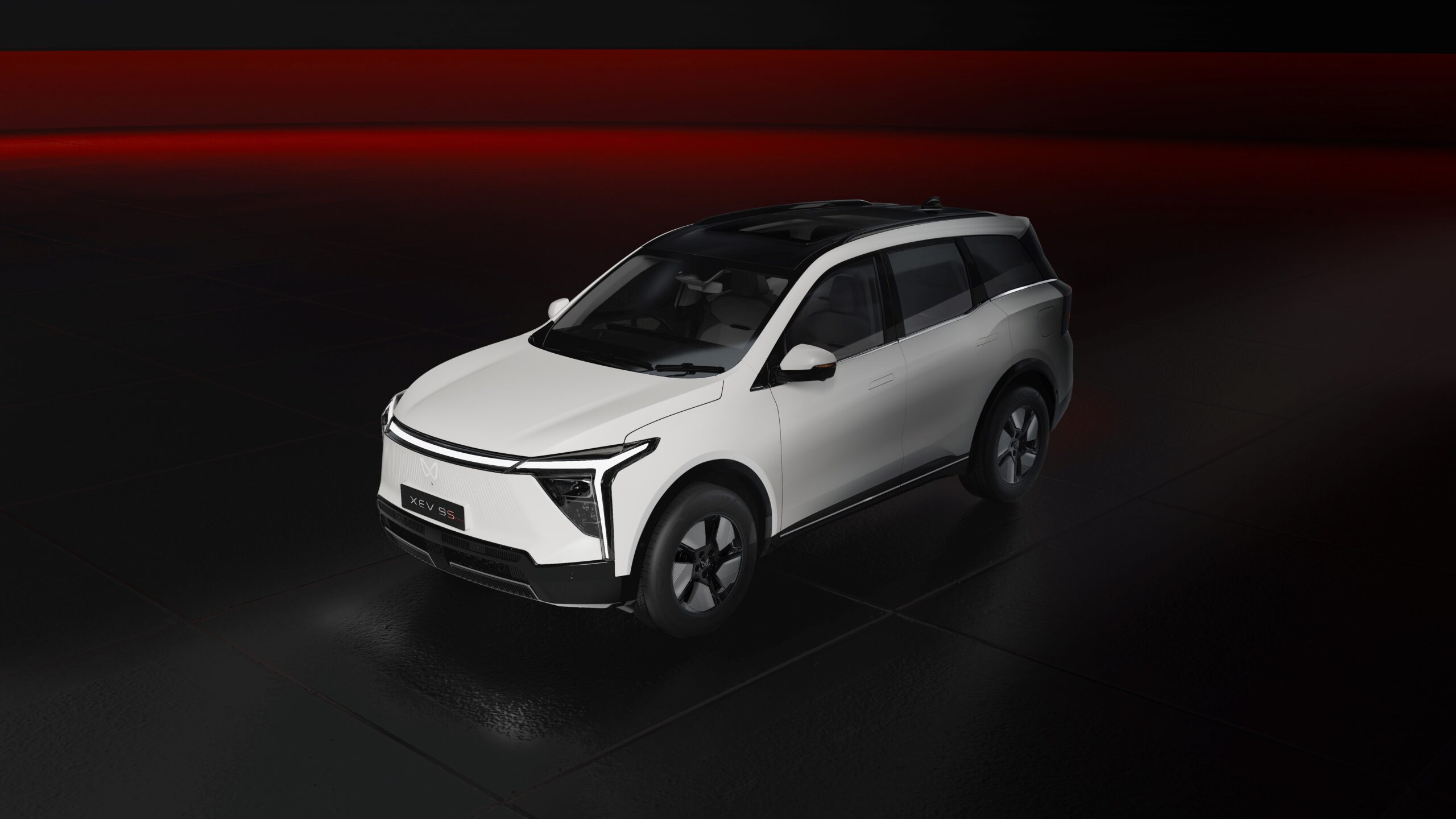
For M&M, the Scorpio and Bolero models have been crucial in capturing demand in semi-urban and rural areas. In urban centers, vehicles like the Scorpio N, Thar Roxx, and the XUV range have maintained a strong sales momentum. Their new electric models, including the BE 6 and 9E, are also beginning to contribute positively to their EV figures, even in the early stages of their market introduction.
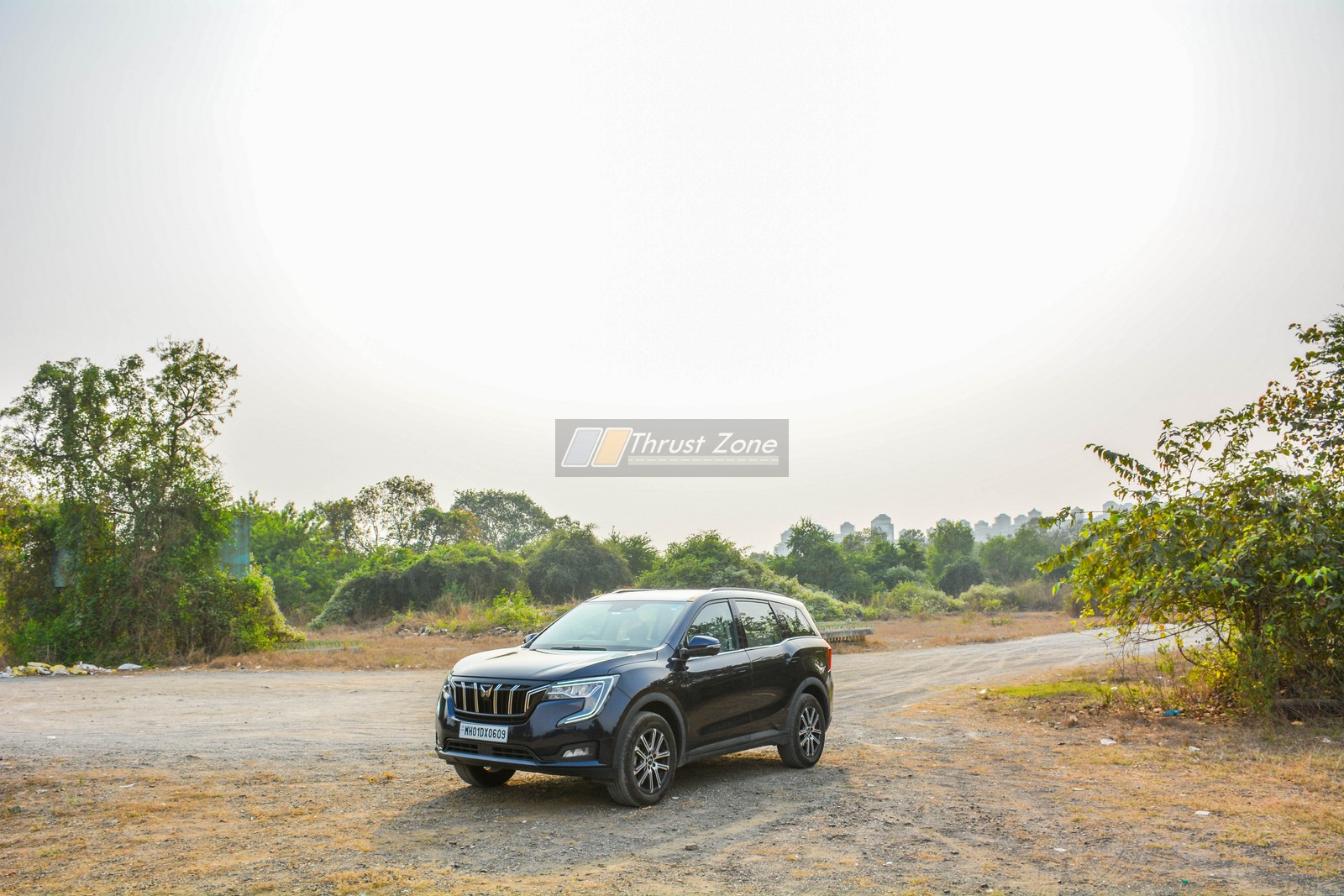
Meanwhile, Mahindra & Mahindra is ready to intensify the competition as well, with an updated XUV700 on the horizon for January, alongside its recently unveiled electric SUV, the XEV 9e.
Tata Motors rebounded steadily after a slow start to the year. The Curvv, introduced in 2024, may not have scaled up as swiftly as anticipated, but it did play a role in driving incremental sales. The launch of the Harrier EV has helped Tata retain its leadership position in the electric vehicle market, while models like the Nexon and Punch have continued to see strong demand, allowing the company to navigate through competition and surpass Hyundai as the year progressed.
With sales of the Sierra set to kick off in January, Tata Motors is positioning itself for a more competitive stance in the market, introducing various powertrain options along with new petrol variants of the Harrier and Safari. They’re also planning several other launches.

