


Chinese automotive giant SAIC Motor is looking to drastically cut its 49% stake in JSW MG Motor India and halt any further investments, as reported by Reuters. While this doesn’t indicate a complete withdrawal, it underscores the ongoing tensions between India and China which continue to impact the auto industry.
This decision arrives in the wake of India’s 2020 restrictions on foreign direct investment from neighboring countries, regulations typically interpreted as targeting Chinese companies following border disputes that year. To navigate these obstacles, SAIC partnered with Indian conglomerate JSW Group, facilitating MG Motor’s growth in the world’s third-largest car market.
Despite a recent meeting between Indian and Chinese leaders, efforts to loosen trade restrictions have made little headway. For instance, Indian manufacturers are still awaiting Chinese approvals to import rare earth materials essential for electric vehicle production.
Sources suggest that SAIC intends to significantly reduce its ownership stake but will maintain its role in supplying technology and products. JSW has expressed interest in acquiring the majority of SAIC’s stake, although both parties have yet to settle on a valuation.
The challenges aren’t solely political. JSW is also in talks with Chery Automobile to forge a technology partnership aimed at launching cars under its own brand in India, a development that has reportedly raised concerns for SAIC.

SAIC made its entry into the Indian market in 2019 with the MG Motor brand, investing over $650 million and acquiring General Motors’ former facility in Gujarat, which has an annual production capacity of 120,000 units. However, its plan to increase investments in electric vehicles under a government-linked incentive scheme was rejected in 2020.
Last year, SAIC sold a majority stake in its Indian operations to local investors, with JSW acquiring a 35% share for approximately $300 million, assigning a valuation of about $1.2 billion to MG Motor India. The proceeds from this sale went directly to SAIC, not its Indian subsidiary. Since then, JSW MG Motor has submitted a $240 million electric vehicle investment proposal, which is still pending governmental approval.
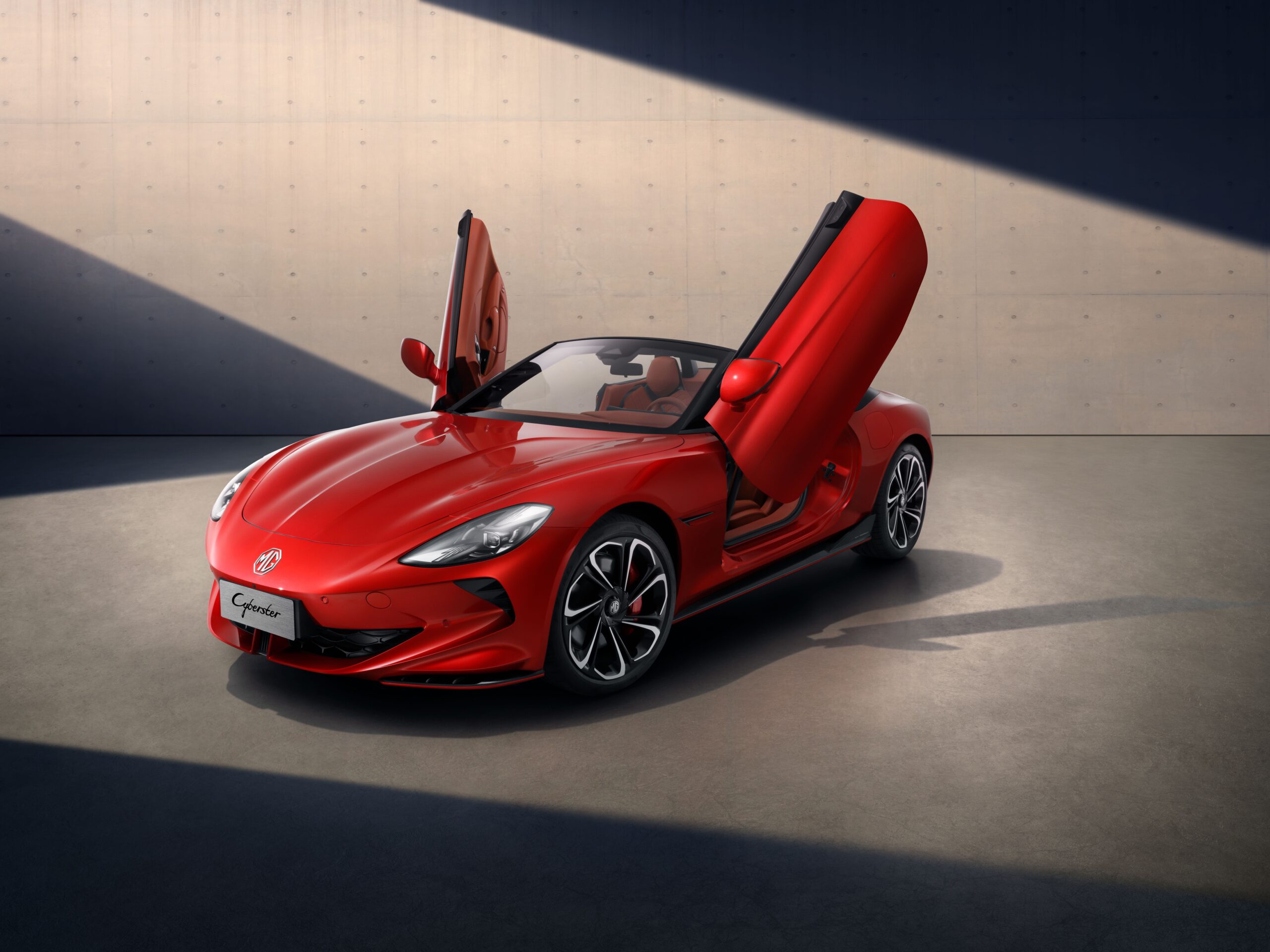
Despite encountering challenges and losses, MG Motor India has seen sales leap from 16,500 in 2019 to over 61,000 in 2024, establishing itself as the second-largest electric vehicle manufacturer in the country, trailing only Tata Motors. The real test ahead will be sustaining this growth as global powerhouse Tesla prepares to make its debut in the Indian market.
SAIC’s diminished involvement could provide JSW with greater authority over MG’s future strategy in India, but it also raises important questions about technology access, valuation, and how the joint venture will navigate the competitive electric vehicle landscape in India.

