


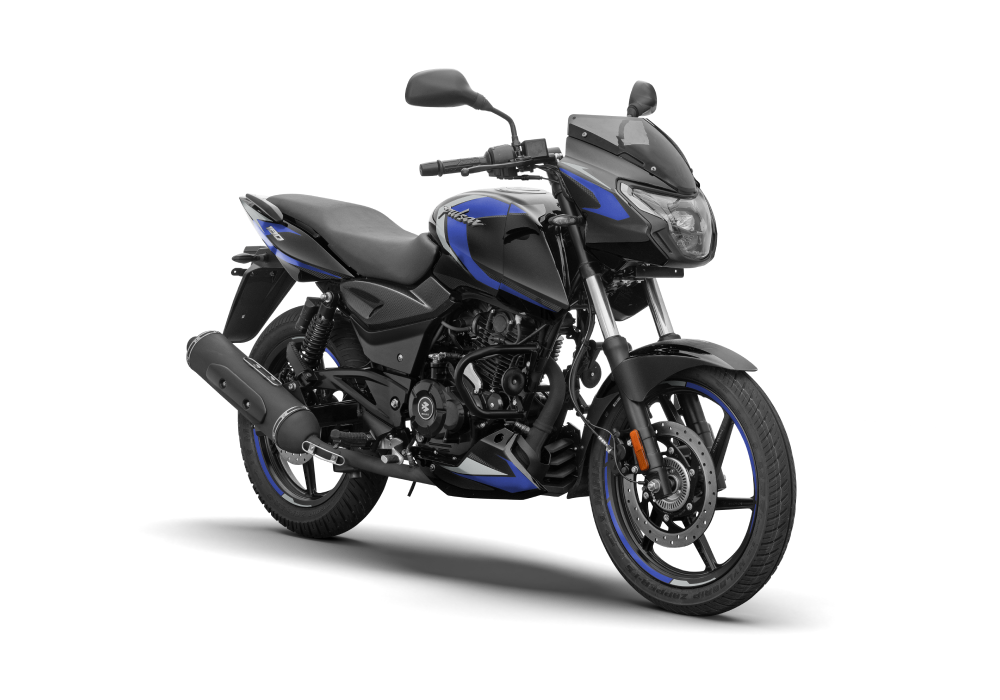
The Delhi government has released a draft of its 2026 Electric Vehicle policy, introducing a comprehensive framework of financial incentives designed to accelerate the transition to clean energy and reduce urban pollution. This new policy features a phased subsidy structure for most vehicle categories, where the financial support is highest in the first year and gradually decreases over the following two years. For electric two-wheelers, the government proposes a purchase incentive of ₹10,000 per kWh capped at ₹30,000 in the first year, which will eventually drop to a maximum of ₹10,000 by the third year. Similarly, electric auto-rickshaws and goods carriers are eligible for significant support, with initial subsidies of ₹50,000 and ₹1,00,000 respectively.

A major focus of the draft is the encouragement of vehicle scrappage to remove older, high-polluting models from the road. Owners replacing older BS IV or earlier vehicles can claim additional scrappage incentives ranging from ₹10,000 for two-wheelers to ₹1,00,000 for private cars. Notably, while private electric cars will not receive a direct purchase subsidy under this draft, the substantial ₹1,00,000 scrappage benefit is available for the first 1,00,000 applicants purchasing a vehicle priced under ₹30 lakh. This strategic shift moves the focus for car owners toward decommissioning aging internal combustion engine vehicles.\
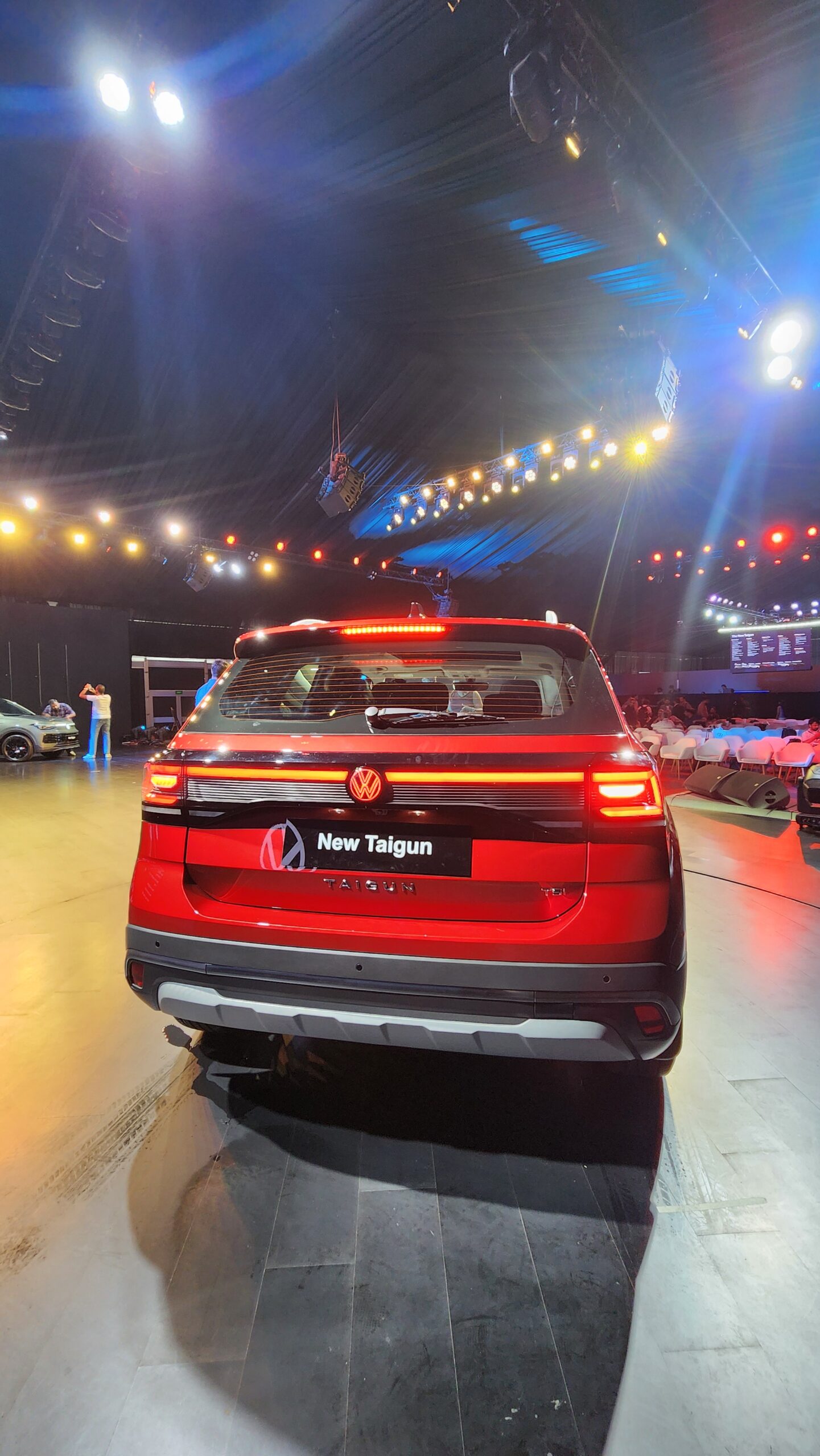
To further ease the financial burden on buyers, the policy proposes full exemptions on road tax and registration fees for the majority of EV categories. All subsidies are intended to be disbursed through direct benefit transfers to ensure transparency and efficiency. It is important to note that these benefits are exclusively available to Delhi residents who register their vehicles within the capital. The government is currently seeking public feedback and expert suggestions on this draft, and the policy will be finalized and implemented once these inputs have been reviewed and integrated.

