


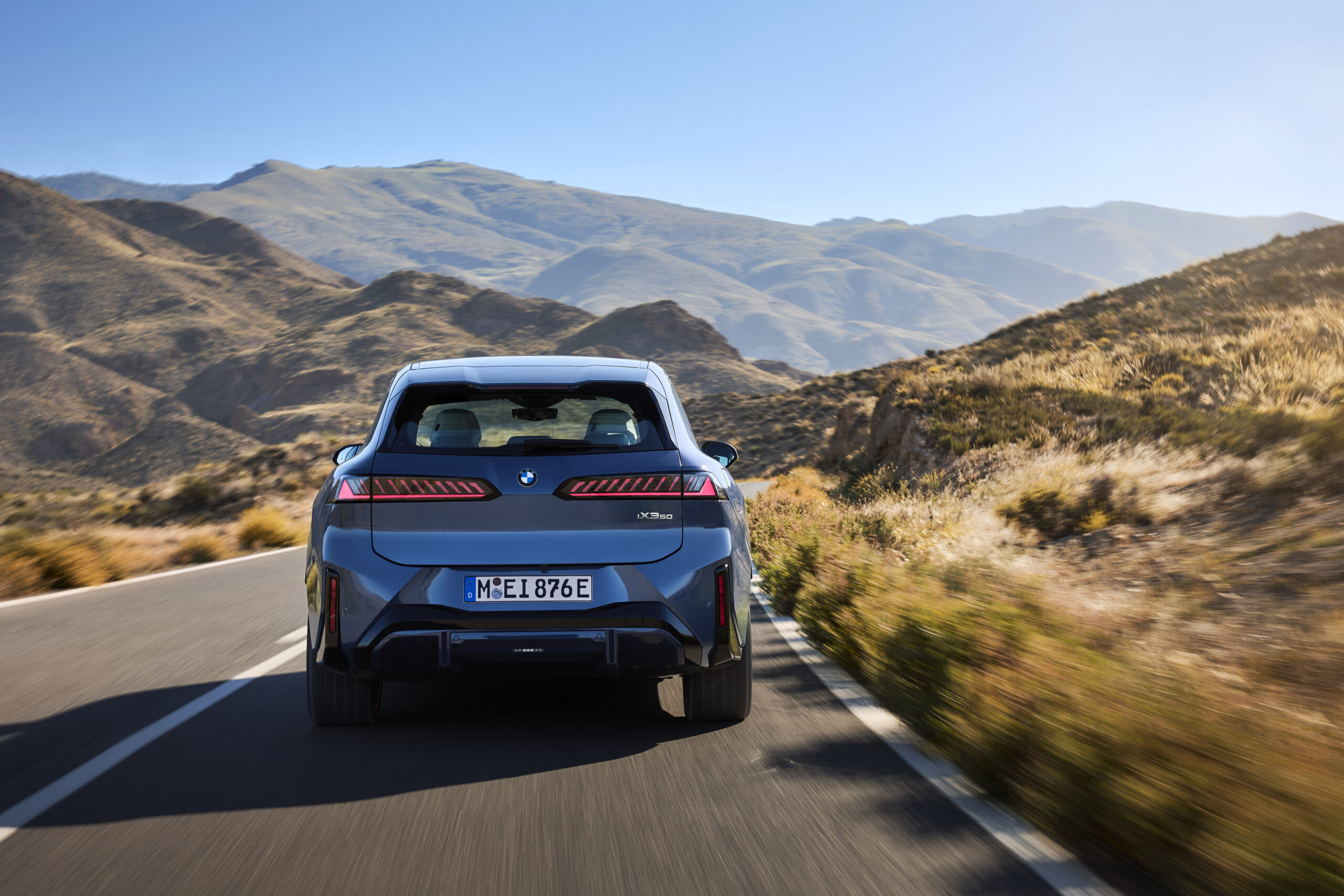
BMW is preparing to launch the fifth generation of its 1 Series hatchback in 2028, introducing significant changes that include the adoption of both electric and hybrid powertrains. This upcoming iteration is designed to blend the driver-focused dynamics that have historically defined the model with the updated design language and advanced technologies characteristic of the brand’s Neue Klasse lineup. While incorporating these new elements, the vehicle will maintain a distinct hatchback silhouette rather than shifting toward a multi-purpose vehicle design, ensuring it stands apart from competitors within the premium compact segment.
A central aspect of the next-generation 1 Series is the divergence in its underlying architecture depending on the chosen powertrain. The internal combustion and plug-in hybrid variants will continue to utilize a front-wheel-drive-based platform similar to the current model. However, the fully electric version will be built on the Gen6 electric vehicle platform. This scalable architecture inherently supports a rear-wheel-drive configuration, marking a notable return to the driving dynamics of the first two 1 Series generations. This shift is anticipated to revive the engaging handling characteristics that distinguished the original models in the class.
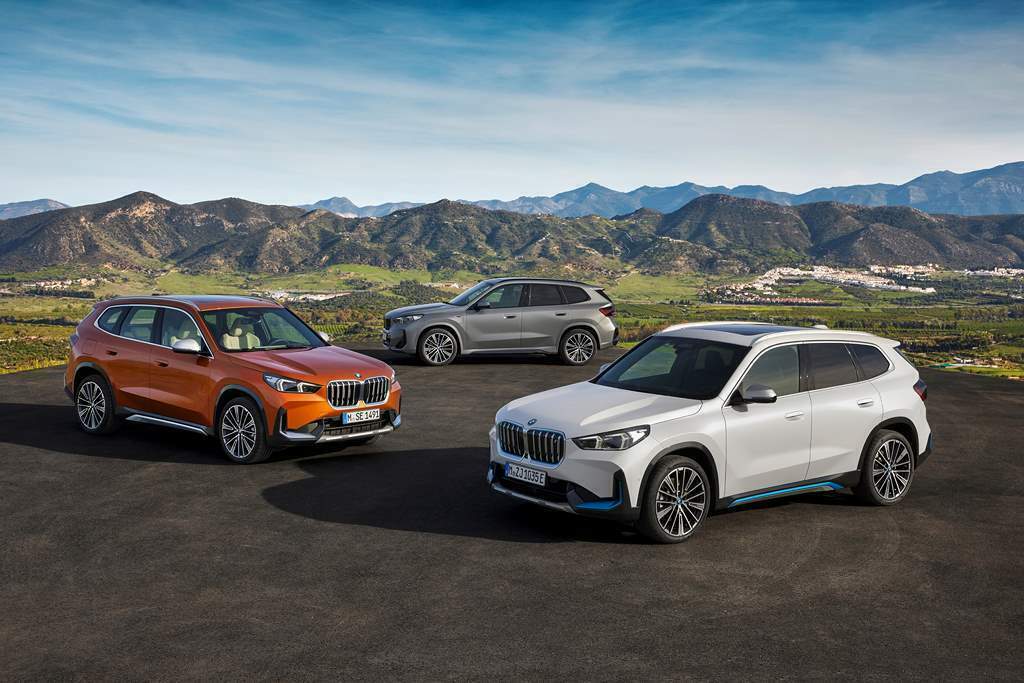

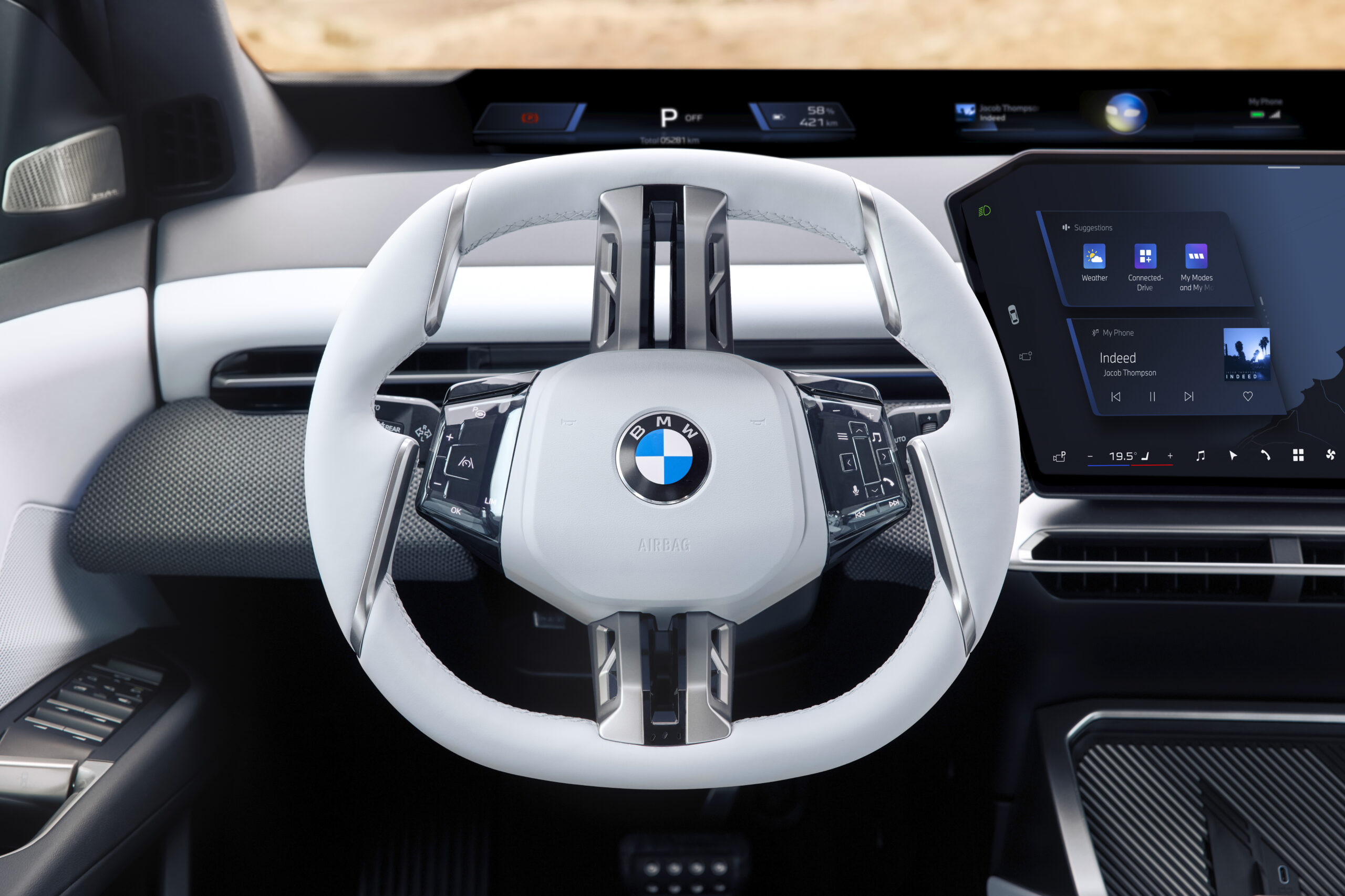
In terms of design, the vehicle will integrate Neue Klasse styling cues, such as a modernized interior layout featuring a hexagonal touchscreen and a wide driver’s display positioned below the windshield. Despite these shared corporate elements, BMW intends for the 1 Series to retain a unique visual identity, characterized by specific grille designs, surface treatments, and proportions. Furthermore, the flexibility of the new electric platform opens the possibility for the reintroduction of a sportier three-door body style, an option that has been absent from the lineup since the second generation.
Powertrain options for the internal combustion models are expected to include 1.5-liter three-cylinder and 2.0-liter four-cylinder engines, complemented by a new plug-in hybrid alternative. The electric variant will likely utilize a modified version of the powertrain found in the current i3 sedan, equipped with a more compact battery to suit its smaller footprint, and available in both single and dual-motor configurations. While this comprehensive overhaul positions the 1 Series as an accessible entry point to BMW’s expanding technological portfolio, its availability in the United States remains a subject of ongoing industry speculation. Historically, the traditional hatchback iteration has not been officially offered in the U.S. market, and despite rumors suggesting a potential return driven by the new electric architecture, prevailing automotive trends indicate the model may continue to be reserved primarily for European consumers who maintain a stronger demand for premium compact hatchbacks.

