


8 Generation 2027 BMW 3 Series finally comes to life after being revealed two years as a concept. As in BMW tradition, it is similar in production form as seen in these newly revealed images. The release of the latest BMW 3 Series outlines the model’s updated technical specifications, design framework, and manufacturing strategy. The lineup encompasses internal combustion engine (ICE) models, 48V mild-hybrid powertrains, and fully electric (BEV) Neue Klasse variants.
The exterior adopts a modern 2.5-box silhouette characterized by short overhangs, a set-back glasshouse, and flush-fitting door handles that deploy automatically. Up front, the kidney grille merges with the twin headlights into a single visual unit, with M Performance models gaining race-inspired M Yellow Lights.
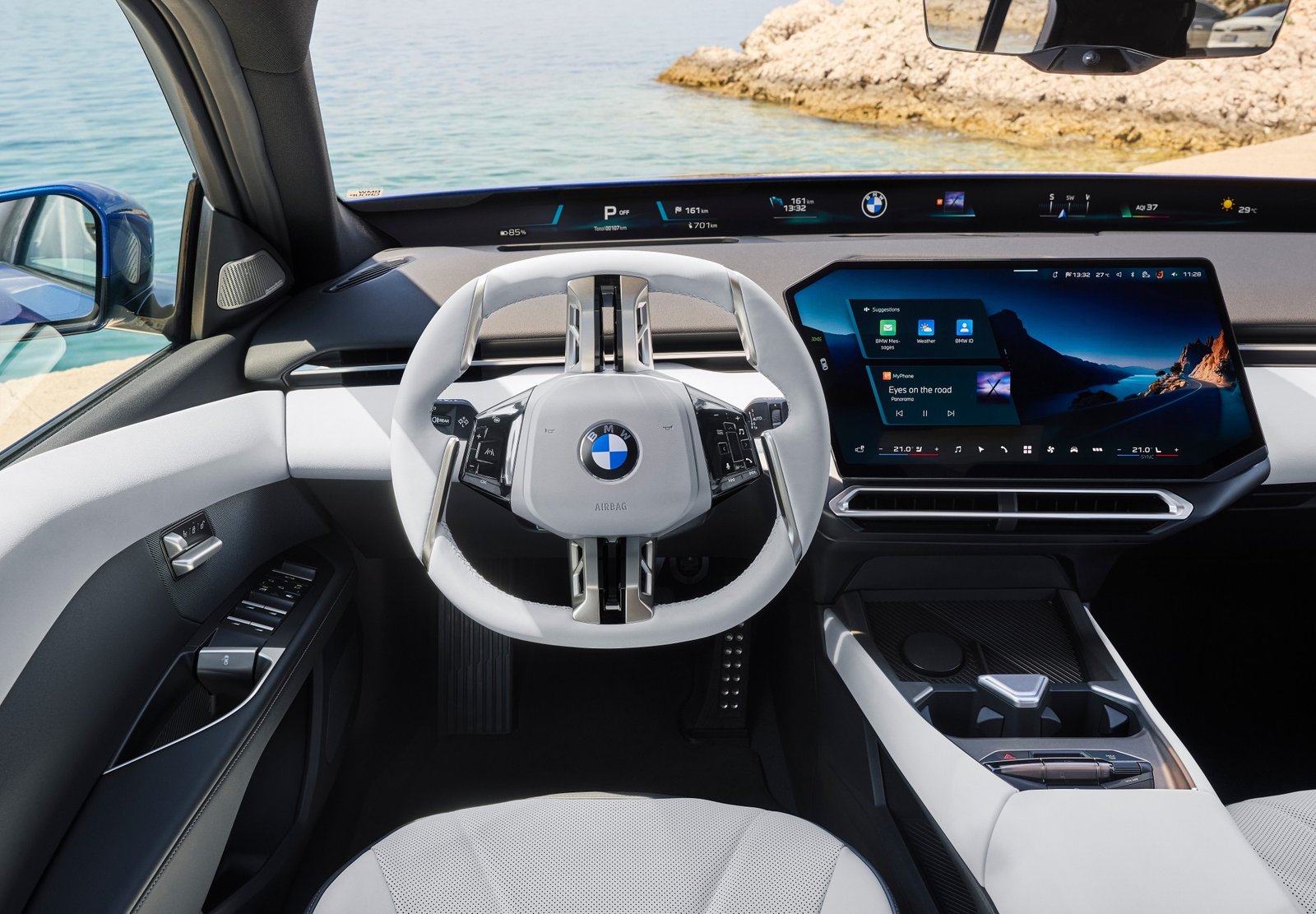
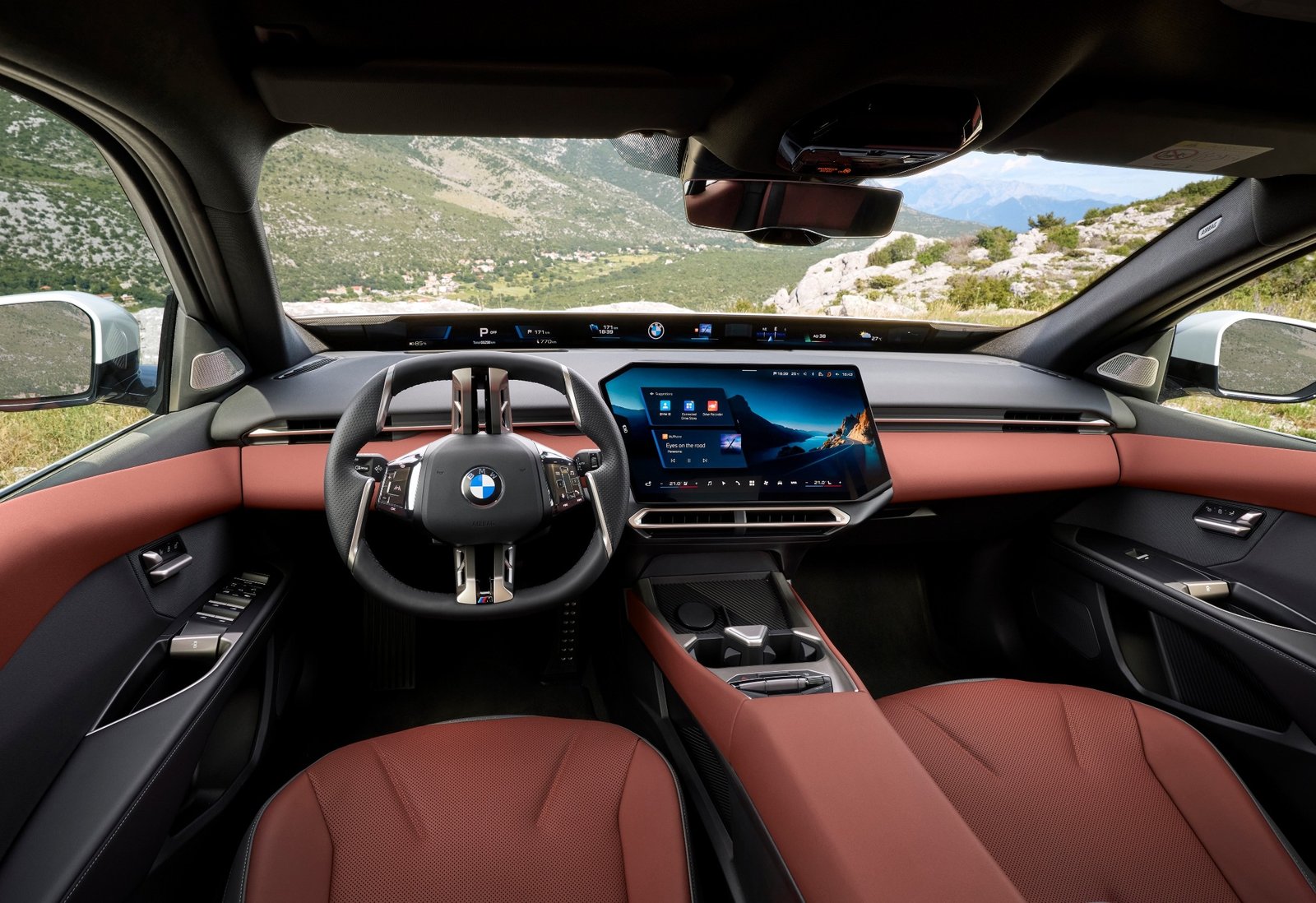
Available light-alloy wheel sizes range from 18 to 20 inches on ICE variants, and 19 to 21 inches on the fully electric BMW i3. The interior centers around the BMW Panoramic iDrive display system, powered by BMW Operating System X based on the Android Open Source Project (AOSP). The setup integrates a 17.9-inch Central Display, a multifunction steering wheel, BMW Panoramic Vision projecting across the base of the windscreen, and an optional 3D Head-Up Display. Interior material selections include Essential (Econeer in Vivid Grey), Contemporary (Veganza in Digital White, Castanea, Agave Green, or Black), BMW M (Veganza/M Perform Tex in Black), and BMW Individual (Merino leather in Black or Adelaide Grey).
The integration of an expanded selection of applications, video streaming services—including Amazon Prime Video—and gaming platforms enhances the overall in-car entertainment system. BMW Digital Premium offers an all-inclusive, configurable suite that encompasses entertainment options, security functions, and enhanced navigation capabilities. The upgraded BMW Maps system provides enhanced navigation with precise, predictive routing alongside a new visualization feature for driver assistance functions.
Chassis, Battery Technology, and Production
Drive dynamics management is governed by specialized control units: the “Heart of Joy” superbrain handles the fully electric powertrain, chassis functions, and recuperation in the i3, operating up to ten times faster than previous systems. The ICE models feature an optimized BMW Driving Stack. The i3 utilizes a pack-to-open-body structural battery housing with cylindrical cells directly integrated via a cell-to-pack arrangement, increasing volumetric energy density by 20 percent compared to fifth-generation prismatic cells. Bidirectional charging capabilities support Vehicle-to-Load (V2L), Vehicle-to-Home (V2H), and Vehicle-to-Grid (V2G) applications.
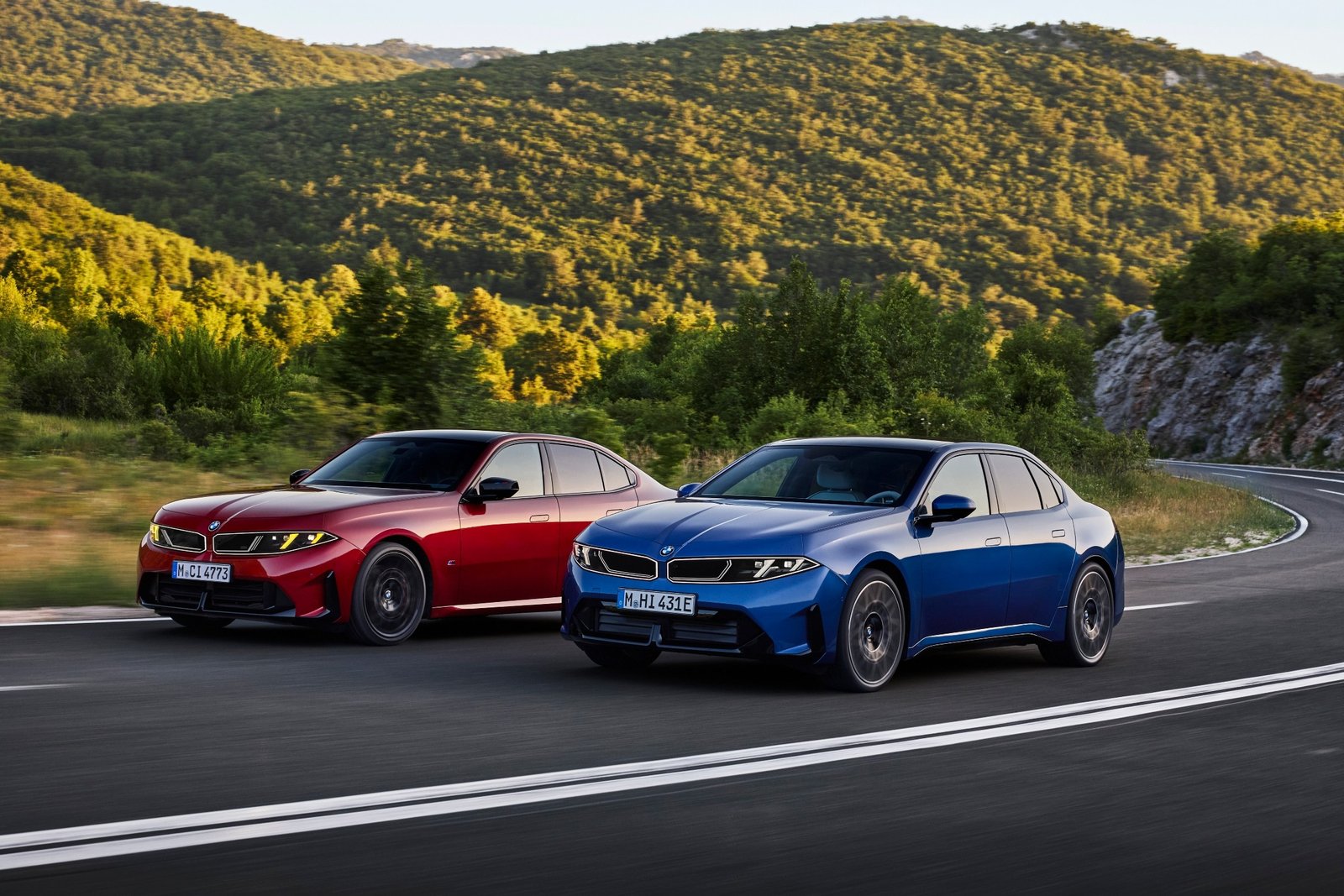
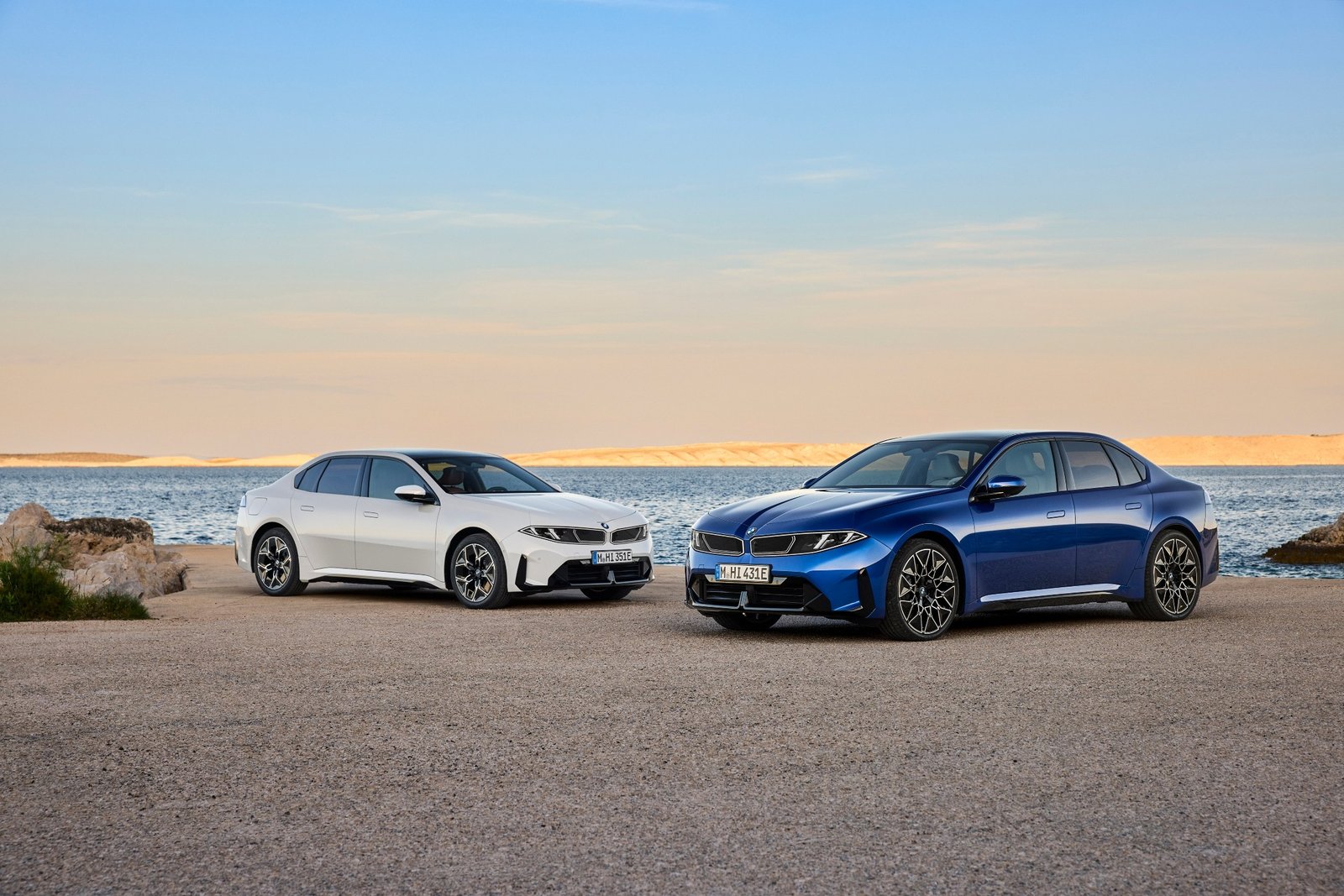
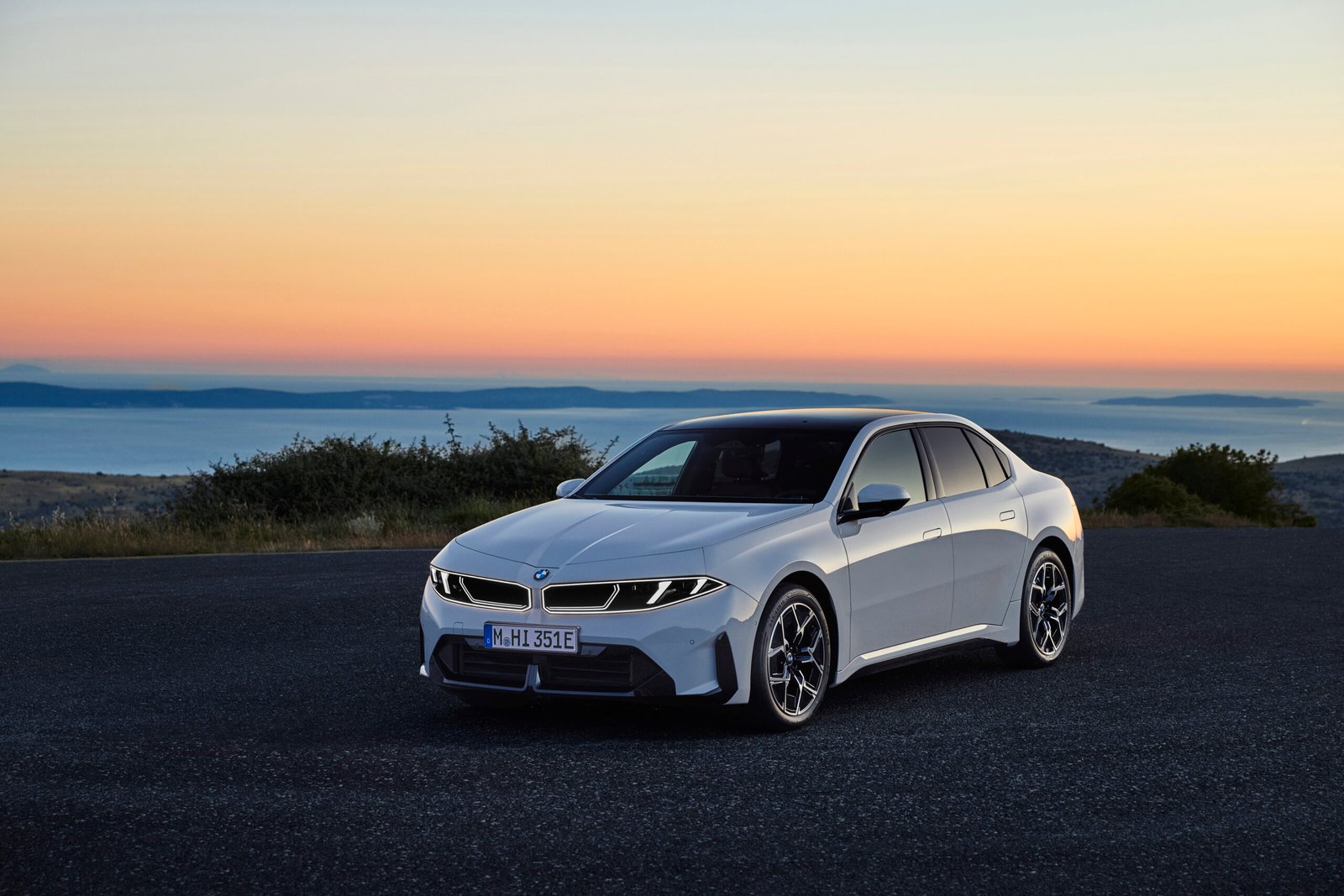
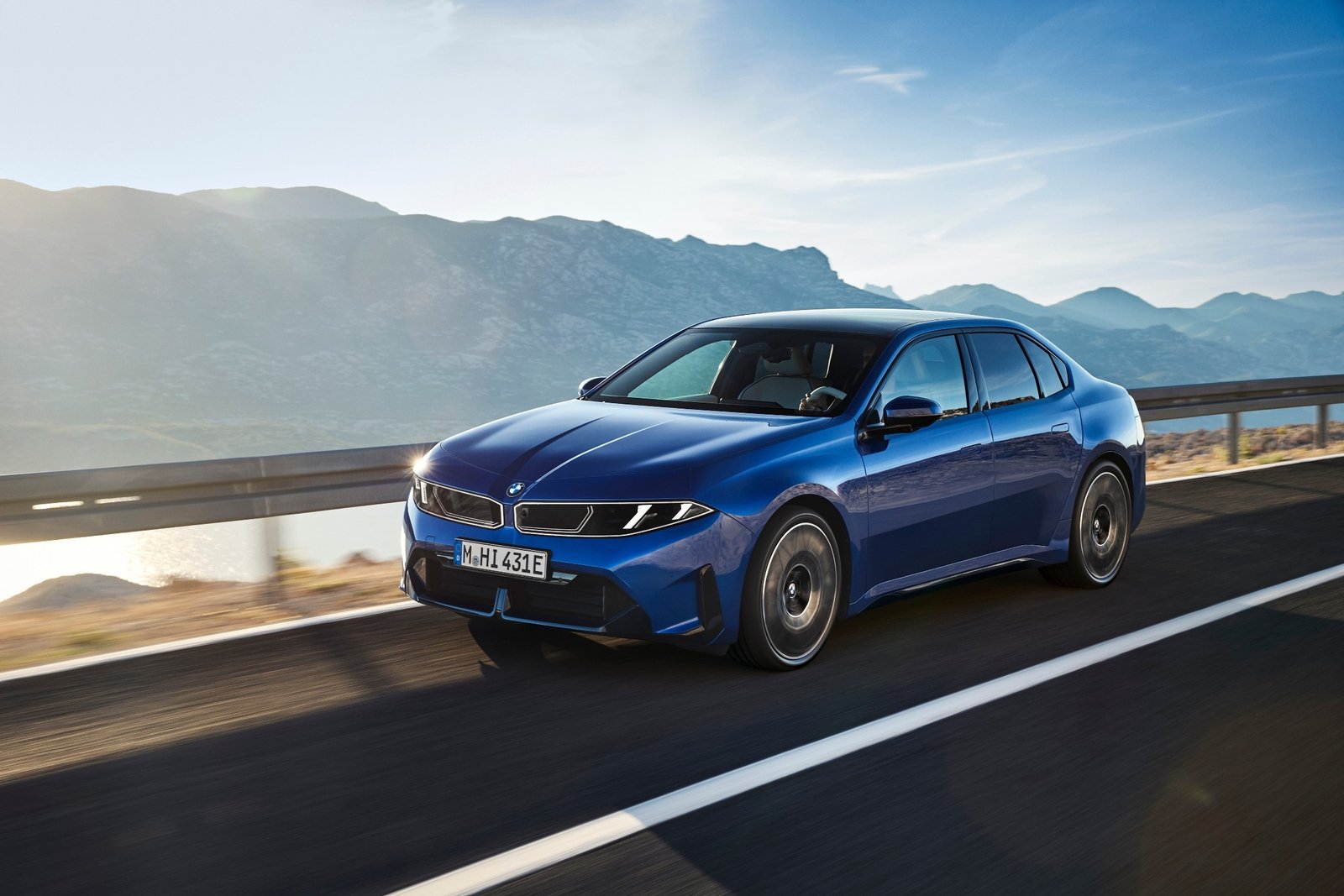
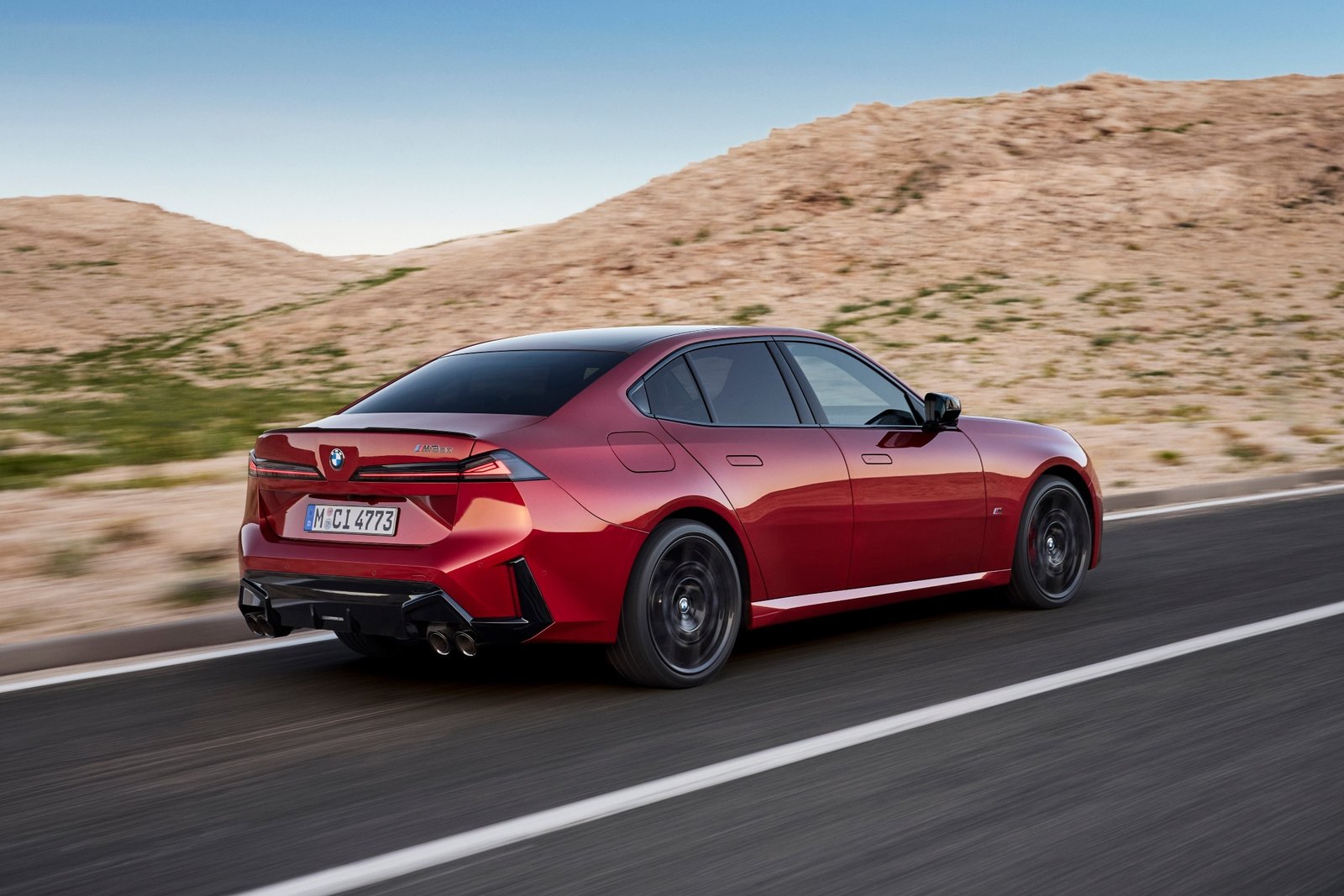
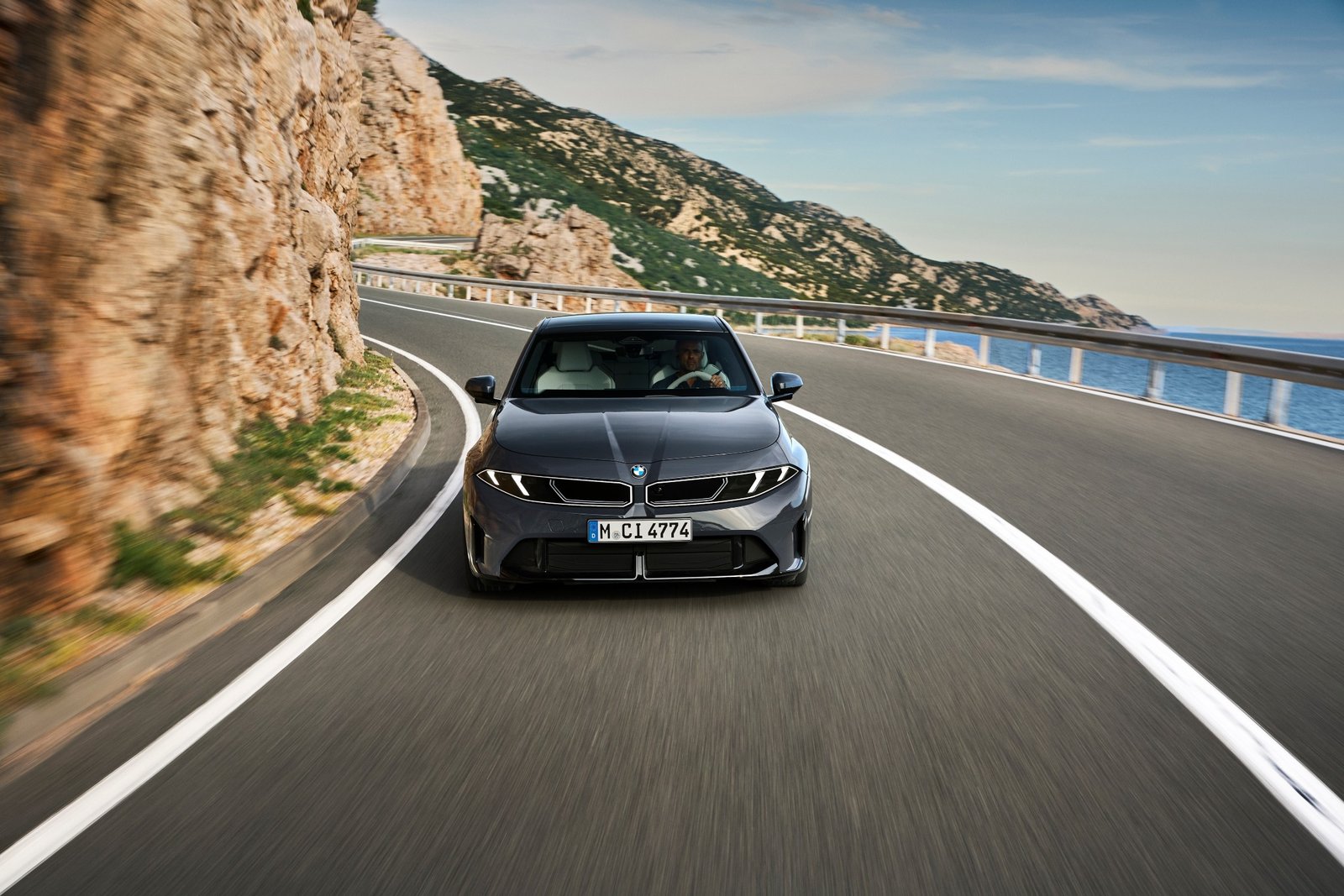
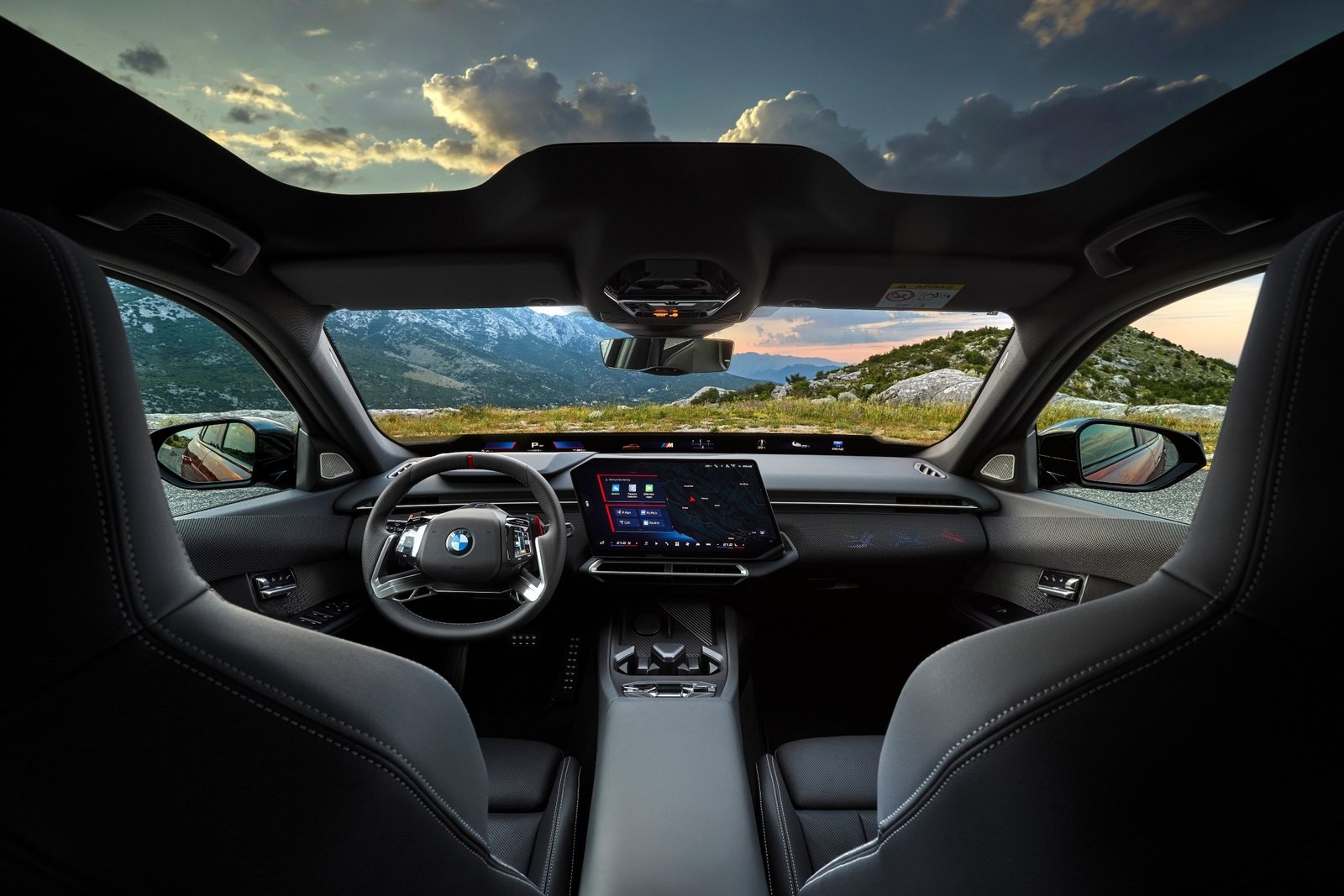
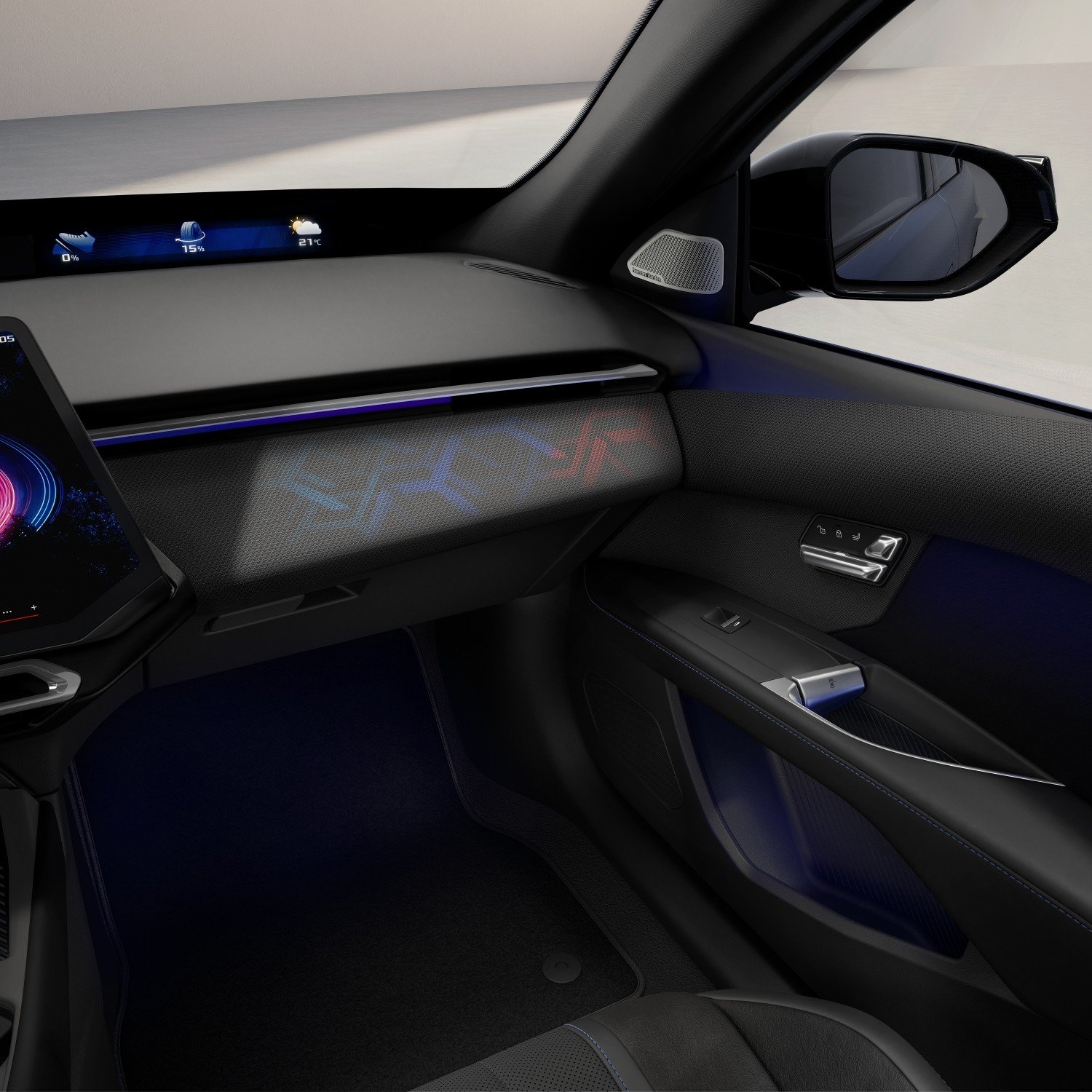
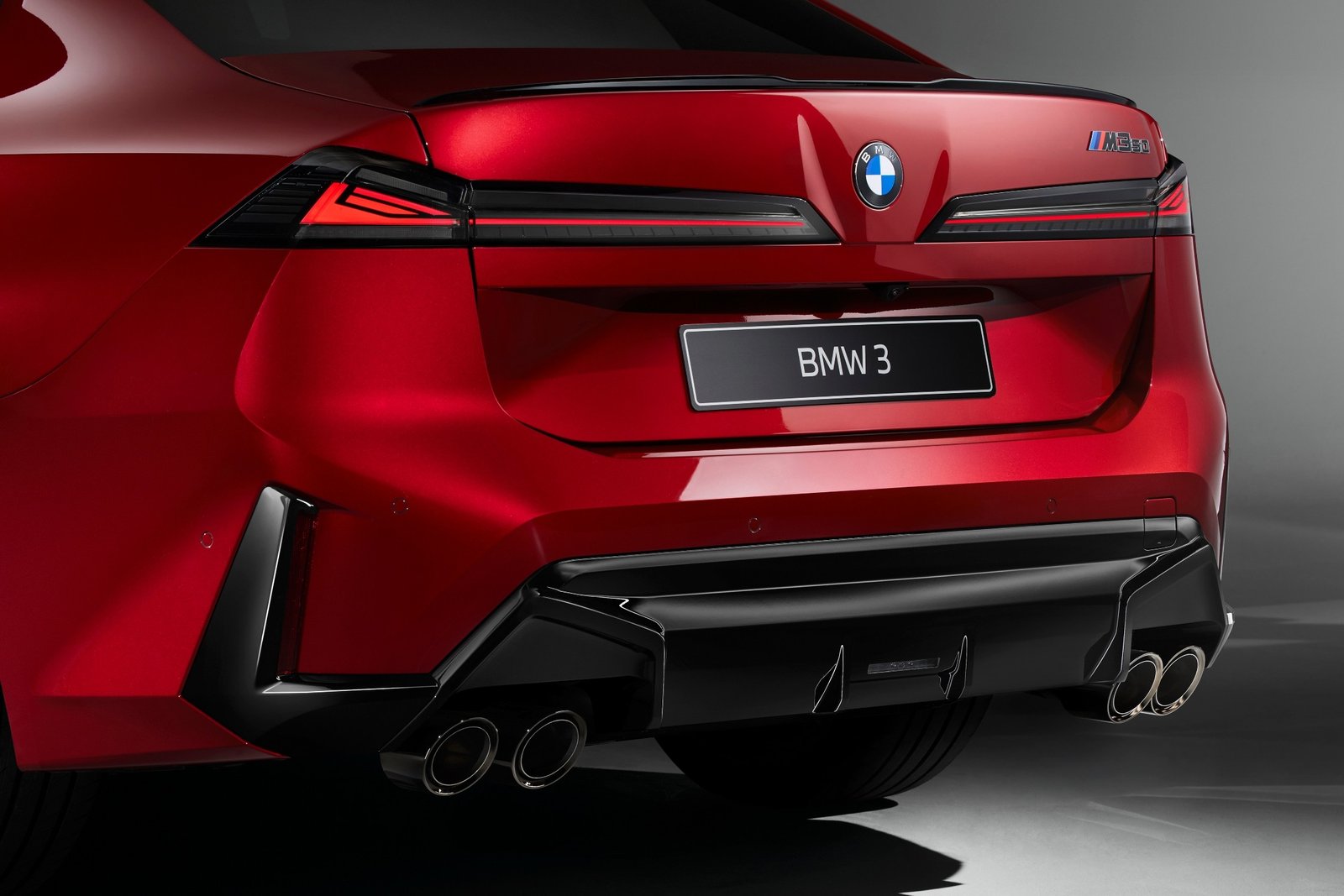
The BMW M350 xDrive features a four-door, five-seat body measuring 4,765 mm in length, 1,850 mm in width, and 1,455 mm in height, with a wheelbase of 2,860 mm and front and rear track widths of 1,595 mm and 1,599 mm, respectively. It has a turning circle of 12.1 meters, a fuel tank capacity of approximately 59 liters, an unladen weight of 1,860 kg (DIN) or 1,935 kg (EU), a 560 kg payload according to DIN, and a permitted total weight of 2,420 kg. Its permissible axle loads are 1,190 kg at the front and 1,290 kg at the rear, with a maximum permissible braked trailer load of 1,800 kg (750 kg unbraked), maximum roof load and towbar download of 75 kg each, a luggage compartment capacity of 450 liters, and an air resistance coefficient of 0.28 times 2.29 square meters.
The drive system combines BMW TwinPower Turbo technology—a 2,998 cc inline 6-cylinder engine—with a 48-volt mild hybrid electric motor integrated into its eight-speed Steptronic transmission. The total power output is 326 kW (443 hp) and 580 Nm of torque, with the combustion engine contributing 313 kW (426 hp) between 5,600 and 6,500 rpm and 540 Nm of torque between 1,980 and 5,400 rpm, while the electric motor provides 13 kW (18 hp) and 200 Nm of torque. The electrical system relies on a 60 Ah 12-volt battery and a 19.2 Ah 48-volt battery.
For driving dynamics and safety, it includes a double-wishbone front axle, a five-link rear axle, four-piston fixed-caliper ventilated front brakes, single-piston floating-caliper ventilated rear brakes, variable sport steering, 245/40 R19 front tyres on 8.5J x 19 light alloy rims, and 255/40 R19 rear tyres on 9J x 19 light alloy rims. Performance-wise, it accelerates from 0 to 100 km/h in 4.1 seconds and reaches an electronically limited top speed of 250 km/h, with WLTP combined fuel consumption ranging between 8.2 and 7.5 liters per 100 km, CO2 emissions of 187 to 171 g/km, a passby noise rating of 68 dB(A), and an EnVKV CO2 class rating of G.
The BMW 320 shares the same body dimensions and 450-liter luggage capacity as the M350 xDrive, but features track widths of 1,597 mm front and 1,617 mm rear, a tighter turning circle of 11.7 meters, an unladen weight of 1,680 kg (DIN) or 1,755 kg (EU), a 550 kg DIN payload, and a permitted total weight of 2,230 kg. Its permitted axle loads are 1,050 kg front and 1,235 kg rear, with a drag coefficient of 0.26 times 2.29 square meters. The vehicle utilizes a 1,998 cc 4-cylinder engine combined with a 48-volt belt-driven starter generator, delivering a total system output of 155 kW (211 hp) at 4,900–6,500 rpm and 330 Nm of torque at 1,500–4,400 rpm, supplemented by an 8 kW (11 hp) / 25 Nm electric motor.
It features an eight-speed Steptronic transmission, single-piston fixed-caliper front disc brakes, single-piston floating-caliper rear disc brakes, 245/45 R18 tyres on 8J x 18 light alloy rims, accelerates from 0 to 100 km/h in 7.4 seconds, and achieves a top speed of 240 km/h. Combined fuel consumption is rated at 7.5 to 6.5 liters per 100 km with CO2 emissions of 169 to 148 g/km, passby noise of 66 dB(A), and an EnVKV CO2 class rating of F.
The BMW 318 shares identical body dimensions, weight ratings, turning circle, chassis setup, and fuel tank capacity with the BMW 320, but provides a total power output of 115 kW (156 hp) at 4,500–6,500 rpm and 250 Nm of torque at 1,400–4,300 rpm from its 1,998 cc 4-cylinder engine and belt-driven starter generator. Its maximum permissible braked trailer load is rated at 1,300 kg. It accelerates from 0 to 100 km/h in 9.5 seconds with a top speed of 215 km/h, matching the 320 in fuel consumption (7.5–6.5 l/100 km), CO2 emissions (169–148 g/km), and EnVKV CO2 class rating of F, with a passby noise level of 67 dB(A).
The all-electric BMW i3 50 xDrive sedan measures 4,760 mm long, 1,865 mm wide, and 1,480 mm high, featuring a longer wheelbase of 2,897 mm, track widths of 1,606 mm front and 1,613 mm rear, a turning circle of 12.2 meters, an unladen weight of 2,205 kg (DIN) or 2,280 kg (EU), a payload of 505 kg, and a permitted total weight of 2,710 kg. It provides 420 liters of luggage compartment capacity alongside a 31-liter storage compartment under the bonnet and an aerodynamic resistance coefficient of 0.21 times 2.35 square meters. Power is generated by sixth-generation BMW eDrive technology using two electric motors (an asynchronous motor up front delivering 123 kW / 167 hp and 255 Nm, and an electrically excited synchronous motor at the rear delivering 240 kW / 326 hp and 435 Nm), yielding a total system output of 345 kW (469 hp) and 645 Nm of torque.
The underbody lithium-ion battery operates at 698.9 volts with a net energy content of 108.7 kWh, enabling a 10–80% DC fast-charging time of 21 minutes at 400 kW, adding 320 to 423 km of range in 10 minutes. It includes bidirectional charging capabilities, a single-speed transmission, two-joint spring strut front suspension, five-link rear suspension, “Heart of Joy” integrated driving dynamics, 245/45 R19 tyres on 8J x 19 light-alloy rims, an acceleration of 0 to 100 km/h in 4.7 seconds, a limited top speed of 200 km/h, an electric power consumption of 18.0 to 13.4 kWh/100 km, a WLTP range of 729 to 911 km, passby noise of 66 dB(A), and an EnVKV CO2 class rating of A.
The BMW i3 40 xDrive shares the same body dimensions, 420-liter luggage capacity, 31-liter front compartment, chassis structure, and 200 km/h limited top speed as the i3 50 xDrive, but has a lighter unladen weight of 2,090 kg (DIN) or 2,165 kg (EU) and a permitted total weight of 2,595 kg. Its electric all-wheel drive powertrain delivers 275 kW (374 hp) and 520 Nm of total torque, pairing the same 123 kW front motor with a 195 kW (265 hp) / 345 Nm rear motor. It utilizes an 82.8 kWh net capacity battery operating at 671.6 volts that charges from 10 to 80% in 21 minutes at a maximum DC rate of 300 kW, providing 251 to 337 km of added range in 10 minutes. It completes the 0 to 100 km/h sprint in 5.4 seconds, consumes 17.9 to 14.3 kWh/100 km, achieves an EnVKV WLTP range of 566 to 710 km, records a passby noise level of 41 dB(A), and holds an EnVKV CO2 class rating of A.
Series production for the all-electric BMW i3 takes place at BMW Group Plant Munich, while combustion-engine models are manufactured at BMW Group Plant Dingolfing. Electric drive motors are produced in Steyr, Austria, and high-voltage battery supply is provided by the Irlbach-Straßkirchen facility in Bavaria.

