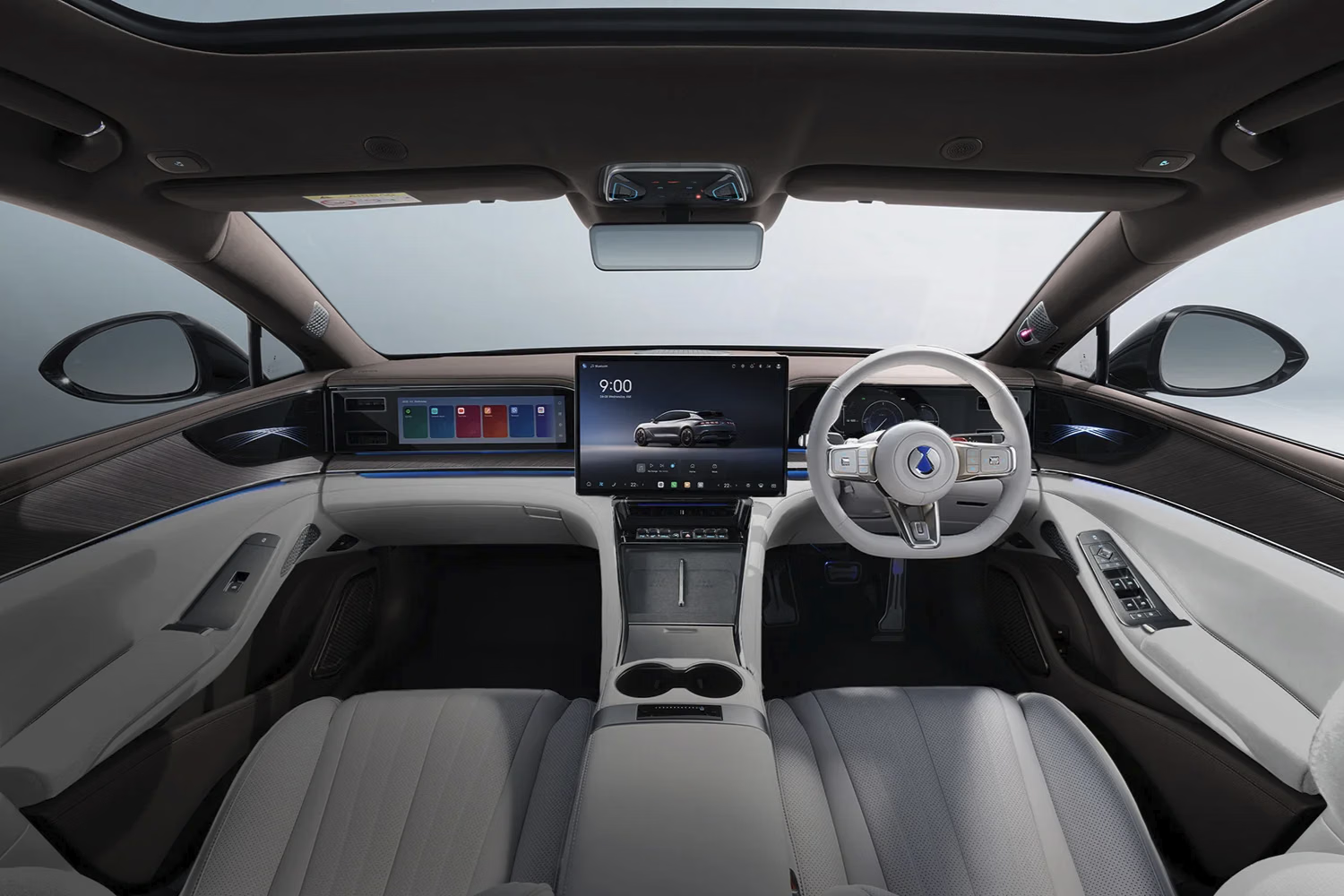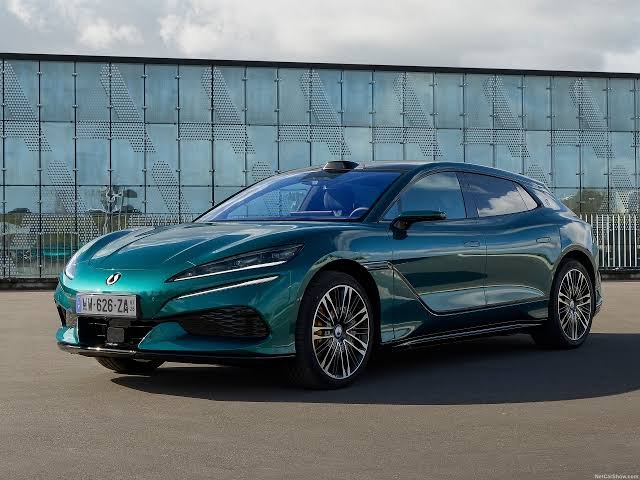
DENZA’s entry into India comes at a time when BYD isn’t doing well itself, it luxury arm promises some hope. The starting ex-showroom prices of INR 1,56,80,000 for the Z9 GT and INR 90,00,000 for the D9, alongside a hefty INR 10 lakh reservation amount. Let’s look at what is on offer.
The tri-motor setup yields staggering power, the Z9 GT’s massive 122.49 kWh battery and extreme performance outputs translate to heavy power consumption, while its stated 670 km NEDC driving range is typically overly optimistic compared to real-world driving conditions.
Despite its sleek design, the Z9 GT relies heavily on complex electrical and motorized exterior components—such as frameless doors with suction-closing, active air vents, and an AR projection tailgate—which introduce numerous potential points of mechanical failure and costly out-of-warranty repairs. The heavy use of high-end materials like genuine leather, real wood trim, and knitted velvet means the Z9 GT’s cabin requires delicate, high-maintenance care to prevent premature wear, staining, or degradation under harsh environmental conditions that host country and India also does offer the same.
Exotic features like the 360° Compass Turn and Crab Walk, while innovative, introduce complex software and mechanical strain on independent wheel controls that could prove problematic and expensive to maintain or repair long-term. Relying heavily on extensive digital screens, a four-tone voice assistant, and continuous over-the-air updates risks driver distraction, potential software glitches, and system lags that could disrupt critical in-car functions. The overwhelming suite of complex electronic ADAS sensors and automated systems can lead to “sensor fatigue,” false alarms, or dangerous ghost braking, while leaving the owner vulnerable to expensive sensor calibration and replacement costs if minor body damage occurs.
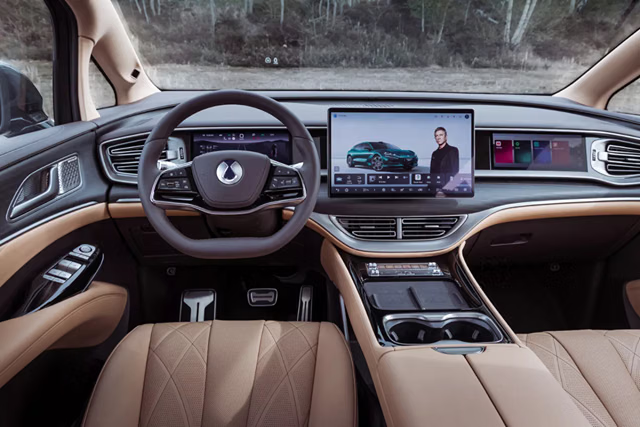
The D9’s massive 1.1 m² panoramic glass roof and extensive acoustic glass, while creating an open feel, could trap excessive heat in intense climates like India’s, straining the climate control system and increasing cabin temperatures when parked. The complex 2+2+3 layout packed with 10-way power adjustments, massagers, folding tables, and multiple digital displays means there are numerous electronic motors and moving parts in the rear rows that are prone to mechanical failure over time.
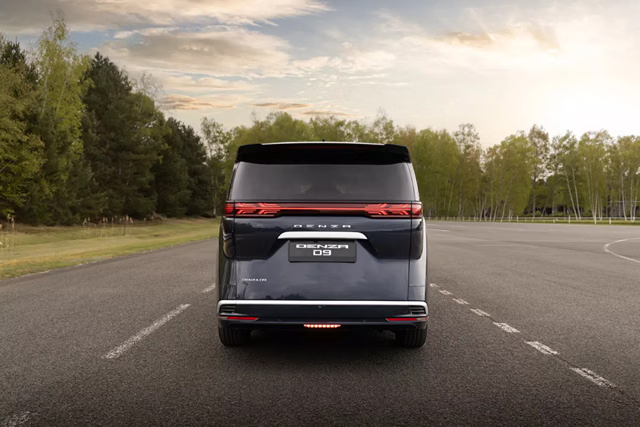
Integrating multiple screens across three rows alongside a mobile hotspot and six-zone voice recognition creates a bloated digital ecosystem that is highly susceptible to connectivity drops, software bugs, and user frustration. The front-wheel-drive D9 is notably sluggish compared to its stablemate, taking a slow 8.5 seconds to accelerate from 0–100 km/h—a lackluster performance metric given its luxury positioning and high price tag.
With its massive three-row structure and heavy reliance on interconnected electronic stability and braking interventions, any malfunction in the vehicle’s complex control units could severely compromise handling across a large passenger load. Despite offering multi-year warranties and roadside assistance, the ownership experience is tied to a nascent, highly limited dealer and service network footprint in India, meaning owners may face long wait times for specialized parts, service appointments, or repairs.
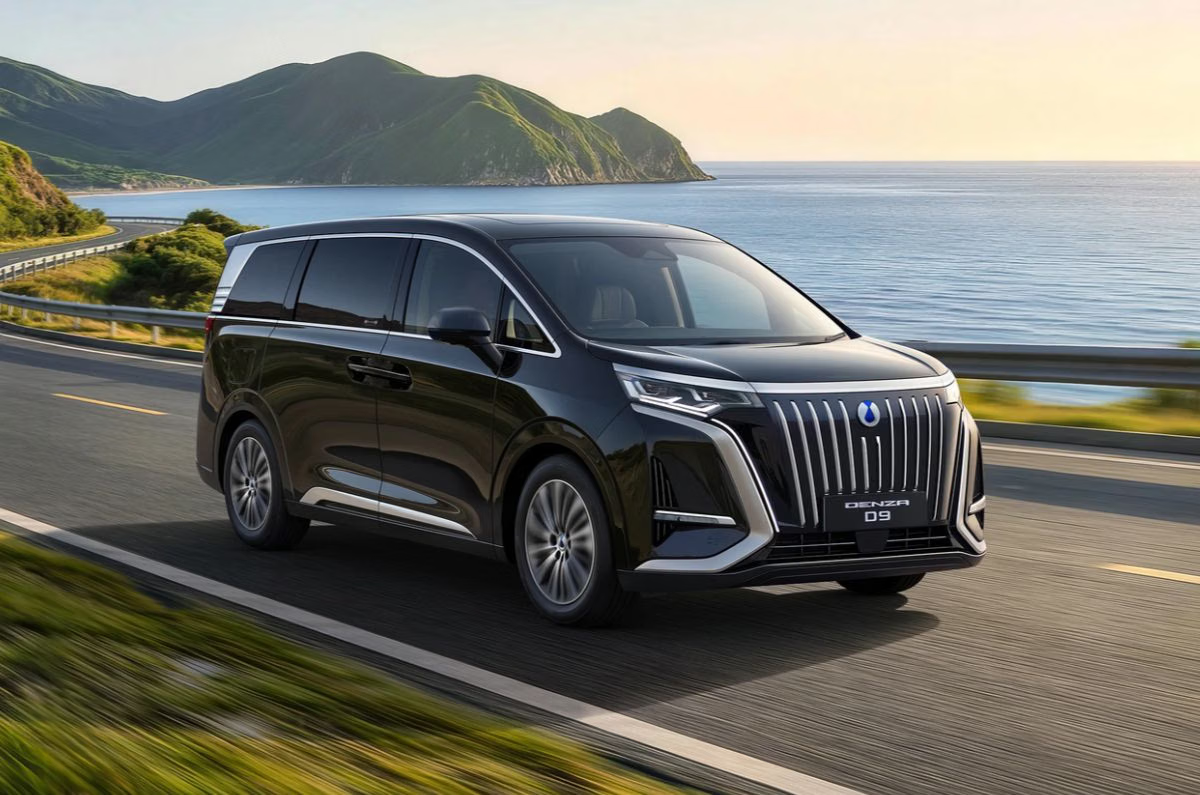
DENZA’s arrival in India with the Z9 GT and the D9 marks another entry into the luxury mobility space which is backed by BYD Group’s cutting-edge technology and the proven safety of the 2nd Generation Blade Battery, both models offer distinct and compelling propositions for luxury car buyers.
The DENZA Z9 GT combines the sporty versatility of a shooting brake with a grand tourer capability on paper. Driven by an extraordinary tri-motor electric setup that delivers an astonishing 1,156 PS and 0–100 km/h acceleration in just 2.7 seconds, it pushes the boundaries of electric performance. The package both cars offer along with the 20-speaker Devialet sound system, and comprehensive massage and ventilation seating for all occupants should bring people to showrooms. However, converting them into customers with established rivals from BYD’s home base and German luxury manufacturers while battling high import duty remains a challenge for the brand.