


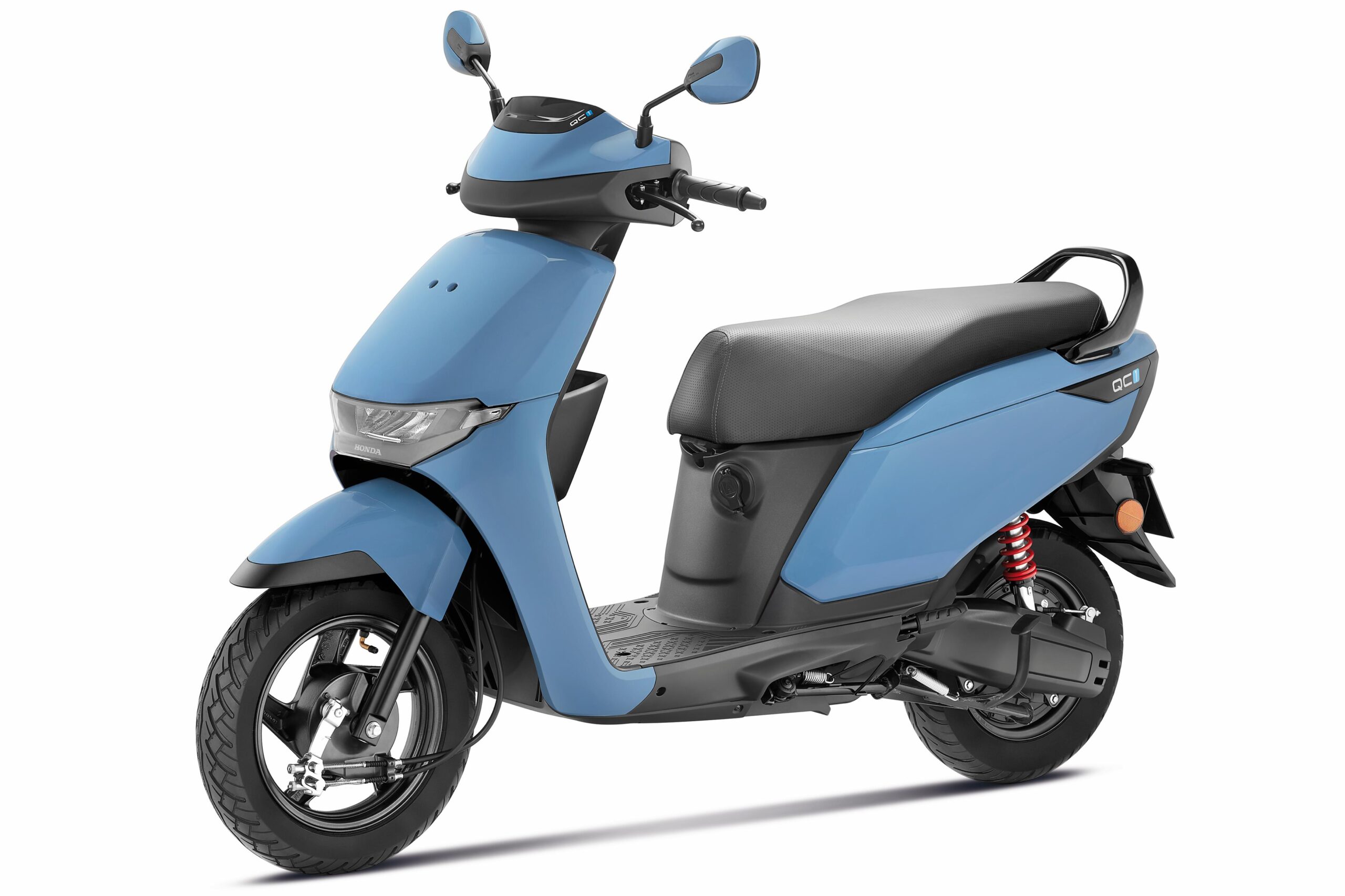
Honda has ceased the production of its Activa e: and QC1 electric scooters as of August 2025, according to figures from the Society of Indian Automobile Manufacturers (SIAM). This pause in production comes just six months after Honda made its debut in the electric two-wheeler market in February 2025. An entirely conservative step in every part of the scooter selling point has led to this day. Dealing with highly funded start up with bare minimum equipped products is a recipe for misadventure. Unreliable Ola scooter continues to sell more than the most reliable brand in the world. The sluggish sales of the Activa e: can likely be attributed to the challenges of home charging and a limited network of battery stations.
Out of the 5,201 units, 4,461 (86 percent) were QC1 models, while only 740 were Activa e:. The QC1’s greater success may be due to its lower price and the added convenience of a portable charger, in contrast to the Activa e:, which relies exclusively on Honda’s battery swapping network.
Between February and July 2025, Honda managed to produce a total of 11,168 units of the electric Activa e: and QC1. Yet, only 5,201 units (46.6 percent) were dispatched to dealers, which suggests a considerable amount of unsold inventory, potentially prompting the decision to halt production.

Currently, the Activa e: is only available in Bengaluru, Mumbai, and Delhi, the three cities where Honda has set up its battery swapping infrastructure. In comparison, the QC1 can be found in six cities—Bengaluru, Hyderabad, Mumbai, Pune, Delhi, and Chandigarh.
Another factor that might be affecting adoption rates is the relatively modest performance and range of both scooters when compared to established competitors like the TVS iQube and Bajaj Chetak, which are similarly priced. This production halt might indicate that Honda is reevaluating its strategy for electric vehicles in India. It remains unclear whether the company plans to ramp up production again or make adjustments to its product offerings and infrastructure.

