


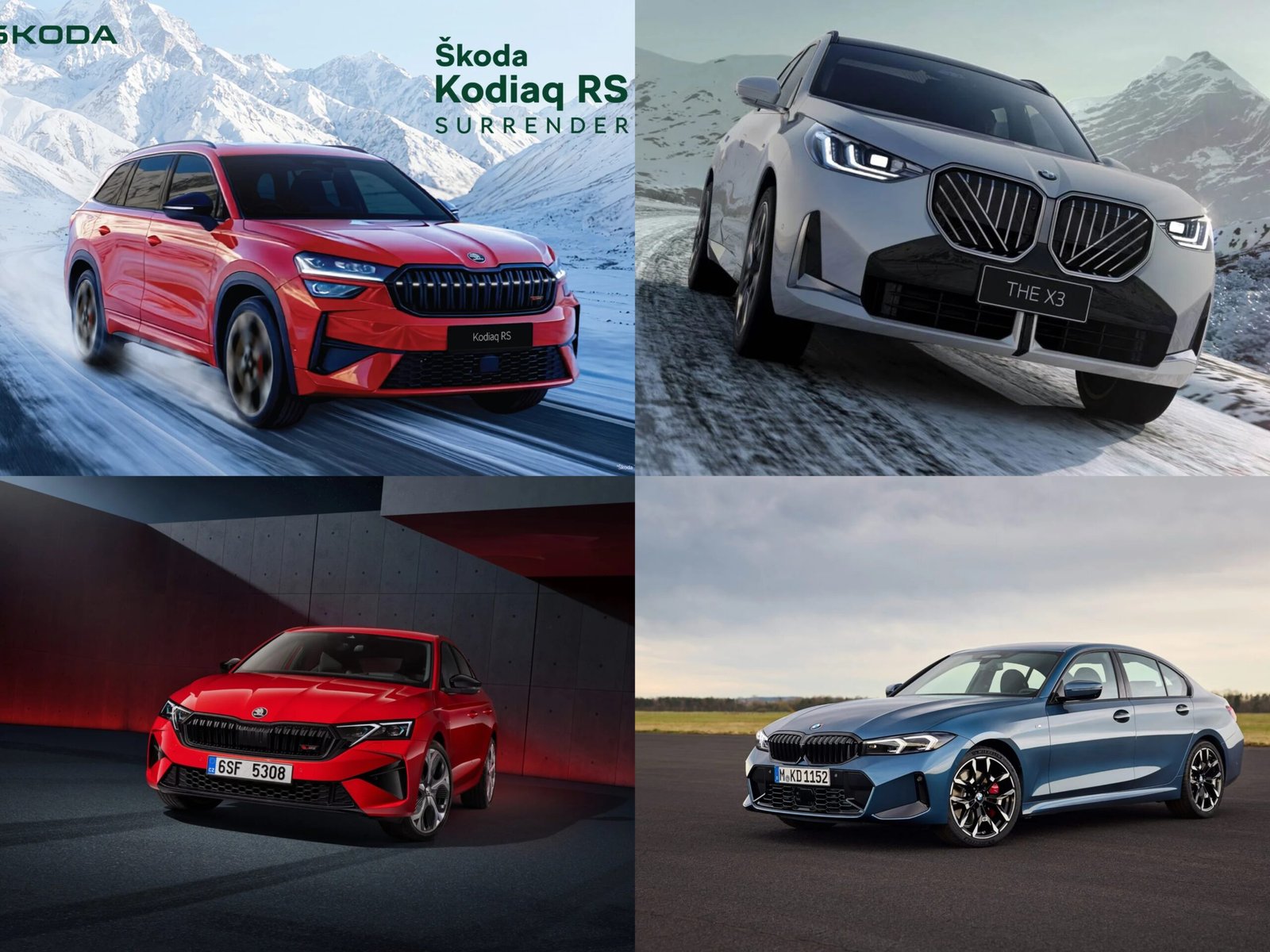
Comparing the Skoda vRS badge with the luxury offerings from BMW in India involves evaluating two distinct philosophies: accessible enthusiast engineering versus benchmark luxury performance. Within this mix, the Skoda Octavia vRS, Skoda Kodiaq vRS, BMW 3 Series, and BMW X3 span across sedans and full-size SUVs.

Skoda Octavia vRS vs. BMW 3 Series
The Skoda Octavia vRS (~₹50 Lakh ex-showroom) serves as an enthusiast-focused performance liftback. Powered by a 2.0-litre TSI turbo-petrol engine producing 261 bhp and 370 Nm mated to a 7-speed DSG, it accelerates to 100 km/h in about 6.4 seconds. It is renowned for its razor-sharp handling, stiffened lowered suspension, sport bucket seats, and a massive 600-litre boot made accessible by its notchback tailgate.
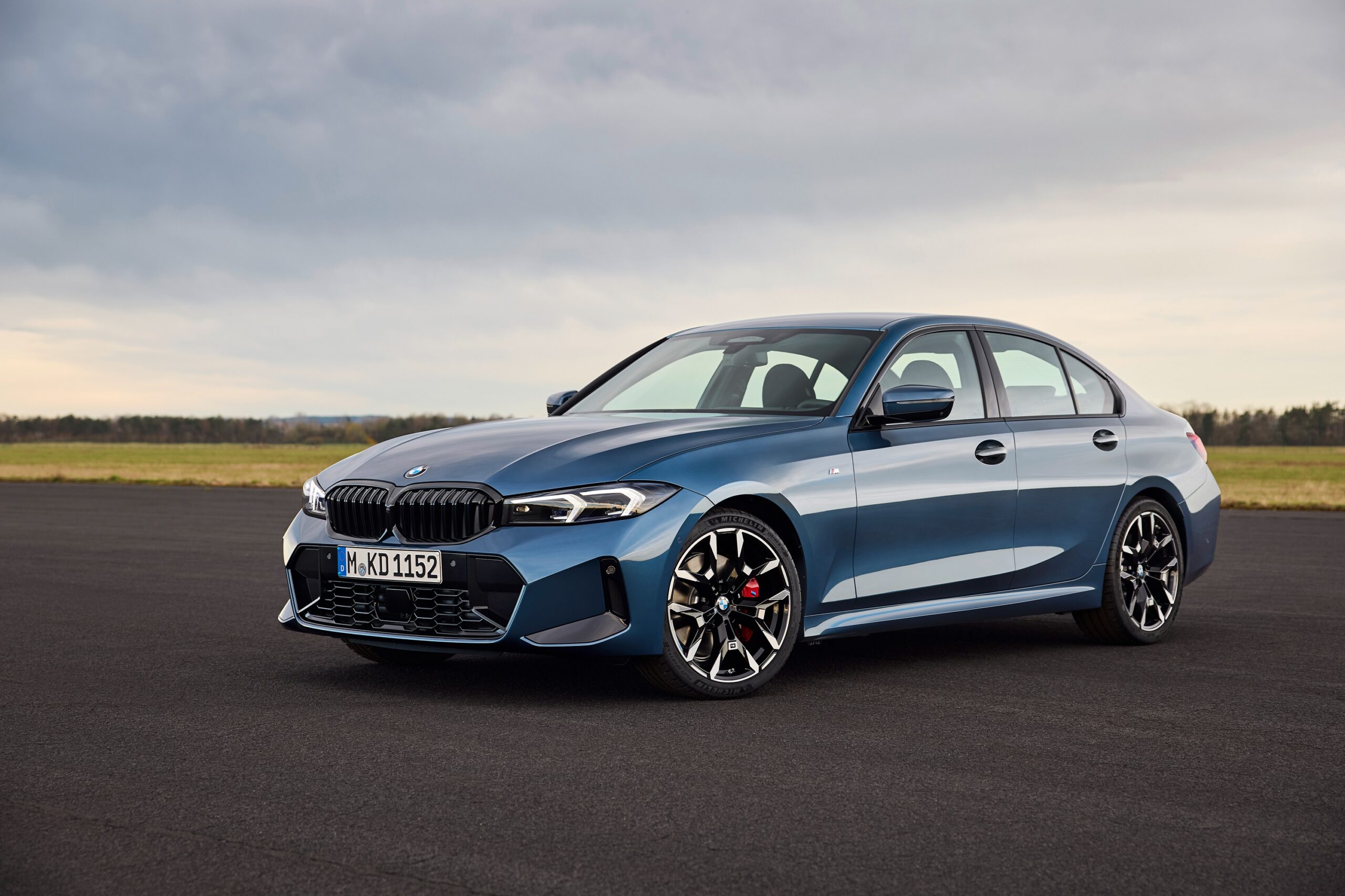
In comparison, the BMW 3 Series (priced between ~₹60.60 Lakh for the long-wheelbase 330Li up to ~₹77.10 Lakh for the M340i xDrive) represents the luxury performance sedan benchmark. The 330Li uses a 2.0-litre turbo-petrol (255 bhp) set up in a rear-wheel-drive (RWD) configuration, focusing on rear-seat luxury chauffeur legroom combined with dynamic driving. However, if pure speed is the objective, the BMW M340i xDrive stands in a league of its own; its 3.0-litre 6-cylinder engine produces 369 bhp and 500 Nm, utilizing All-Wheel Drive (xDrive) to achieve 0–100 km/h in a blistering 4.4 seconds. While the Octavia vRS offers exceptional value by delivering 330Li-level power at a much lower price tag, the 3 Series counters with superior brand prestige, rear-wheel-drive balance, and the option for six-cylinder AWD performance for just ₹75.40 lakh to ₹77.10 lakh
Skoda Kodiaq vRS vs. BMW X3
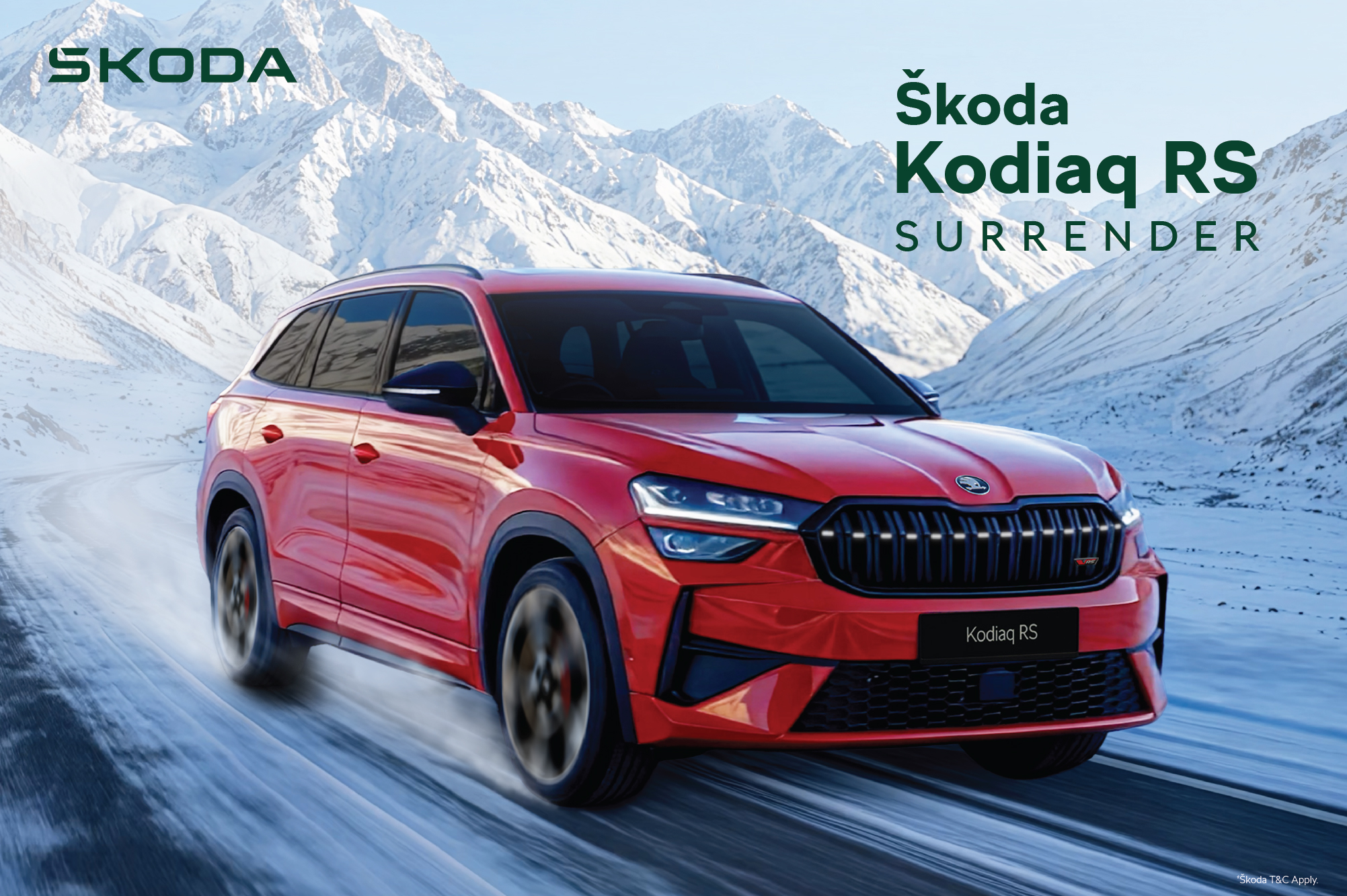
Moving to the performance-oriented SUV spectrum, the Skoda Kodiaq vRS (~₹66.99 Lakh ex-showroom) is a 7-seater performance SUV. It shares the updated 2.0-litre TSI turbo-petrol engine with the Octavia vRS, tuned for 261 bhp and 400 Nm of torque. Equipped with standard All-Wheel Drive (AWD), Dynamic Chassis Control (DCC) adaptive suspension, and a 0–100 km/h sprint of roughly 6.3 seconds, the Kodiaq vRS seamlessly combines sports-car acceleration with the practicality of a 3-row family vehicle and a 12.9-inch infotainment dashboard display.
The BMW X3 (~₹69.90 Lakh to ₹76.00 Lakh ex-showroom) is a luxury 5-seater SUV that focuses on ride comfort, brand presence, and driving engagement. The X3 offers a wider range of powertrains, including a 2.0-litre diesel engine (xDrive20d producing 194 bhp / 400 Nm) for long-distance efficiency, alongside the 2.0-litre turbo-petrol options (xDrive30 producing up to 258 bhp / 400 Nm). Both SUVs feature standard AWD and generous ground clearance suited for difficult Indian roads, but they target different priorities: the Kodiaq vRS excels in versatile 7-seater practicality, higher standard feature density, and punchy TSI performance, while the BMW X3 offers superior luxury cabin refinement, brand equity, and the availability of a diesel powertrain.

Buyers looking for high power output per rupee, practical boot or seating configurations, and pure driver engagement will find the **Skoda vRS models** hard to beat in the performance-per-lakh metric. On the other hand, buyers prioritizing maximum prestige, rear-wheel-drive platform dynamics (3 Series) or ultimate six-cylinder supercar-rivaling acceleration (M340i) will find the BMW lineup which will be joined by BMW X3/X4 M40i sooner or later and make it worth the premium investment and time. Meanwhile, the Skoda’s are limited by units and won’t be able a better overall DEAL like BMW’s. Needless to say, if you want a FWD for some reason, Mini India’s new tempting lineup is worth the look at too!

