


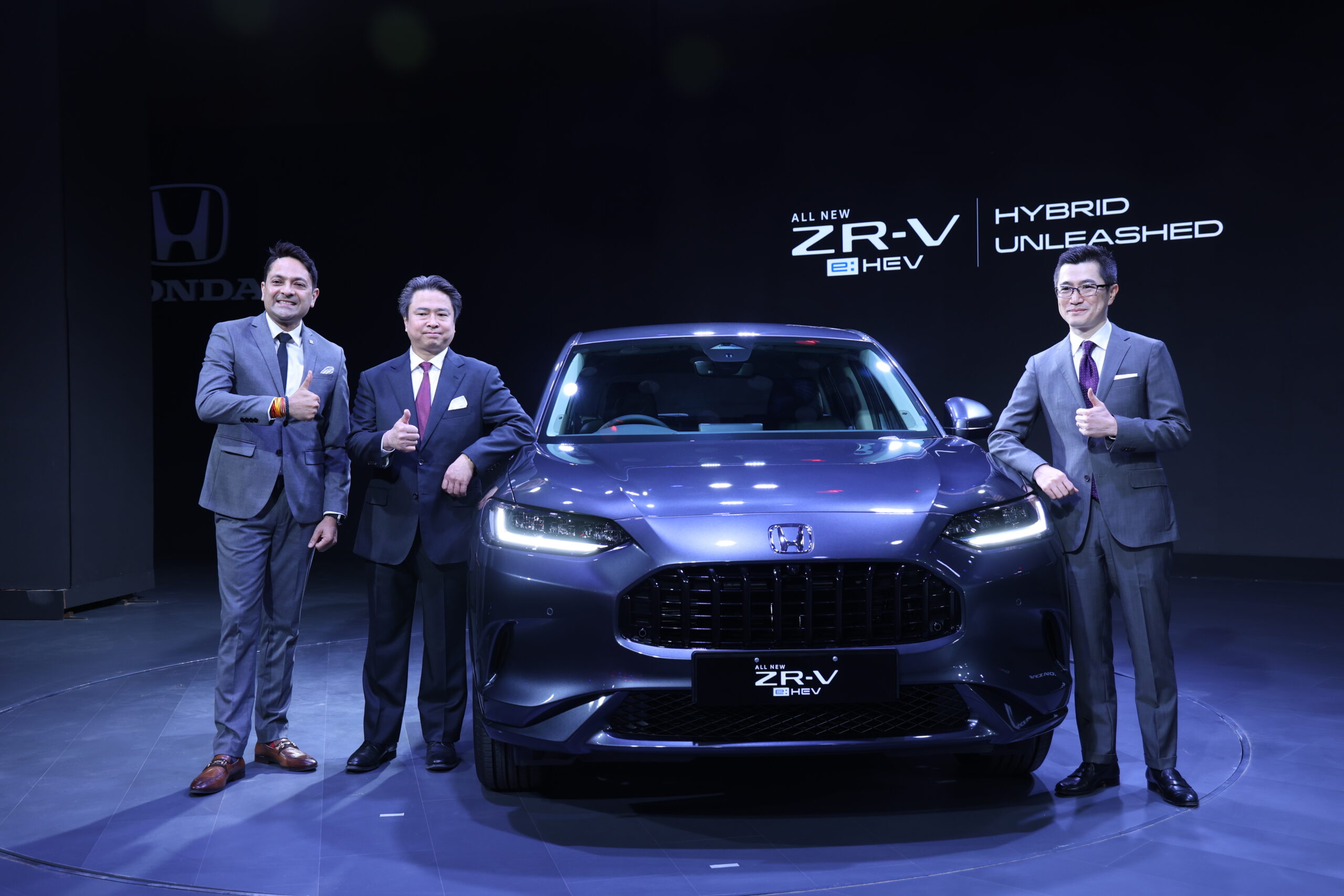
Replacing the Hyundai Tucson with the Honda ZR-V is a necessary upgrade to escape outdated technology and poor city dynamics. The shift away from a traditional internal combustion platform to Honda’s advanced strong-hybrid architecture fixes the glaring flaws of owning a large ICE vehicle in India today.
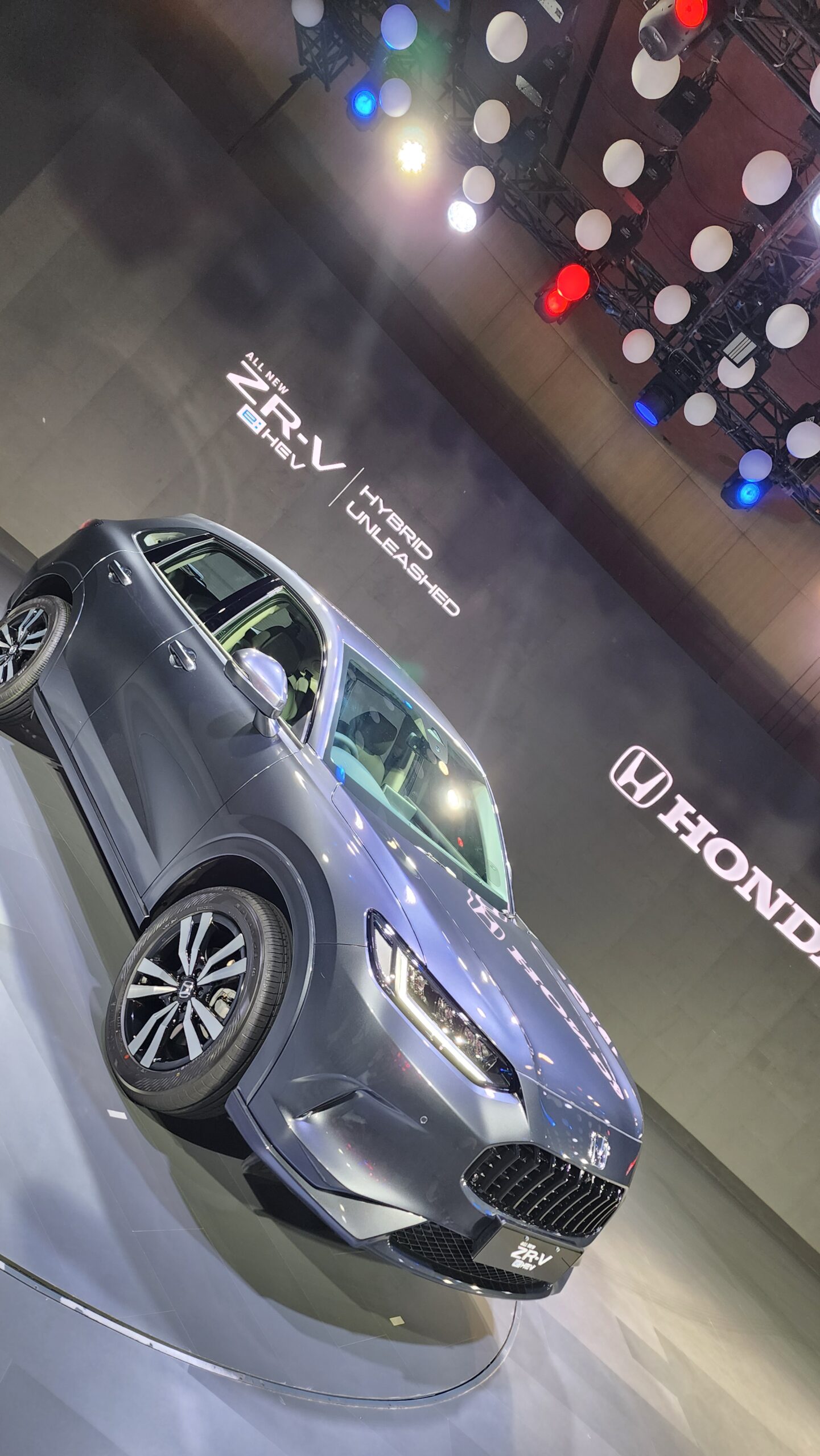
The Tucson is burdened by inefficient, gas-guzzling standard petrol and diesel engines that perform poorly in stop-and-go Indian traffic, resulting in exorbitant daily fuel costs. The ZR-V replaces this outdated setup with a 2.0-litre e:HEV strong-hybrid system claiming 22.79 kmpl. It frequently operates in pure EV mode, leading to massive savings and a drastically lower carbon footprint that the Tucson cannot compete with.
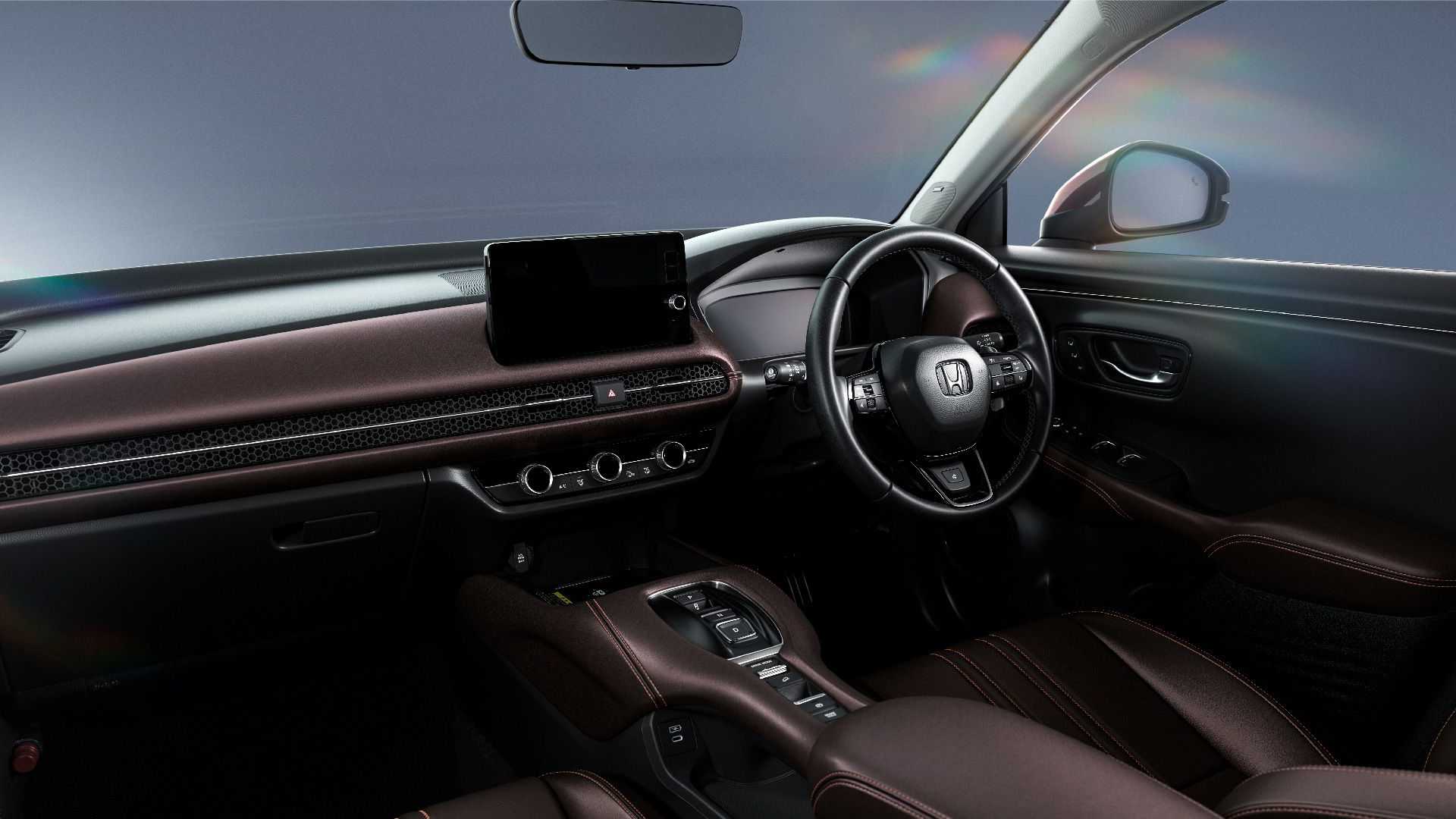
The Tucson’s bulky dimensions make it cumbersome and frustrating to maneuver on narrow, congested city streets. The ZR-V is engineered to sit lower with a much more agile, sedan-like driving posture. Combined with an e-CVT gearbox and instant torque from dual electric motors, the ZR-V delivers a responsive, lag-free driving experience that easily weaves through traffic while the Tucson struggles to keep up.
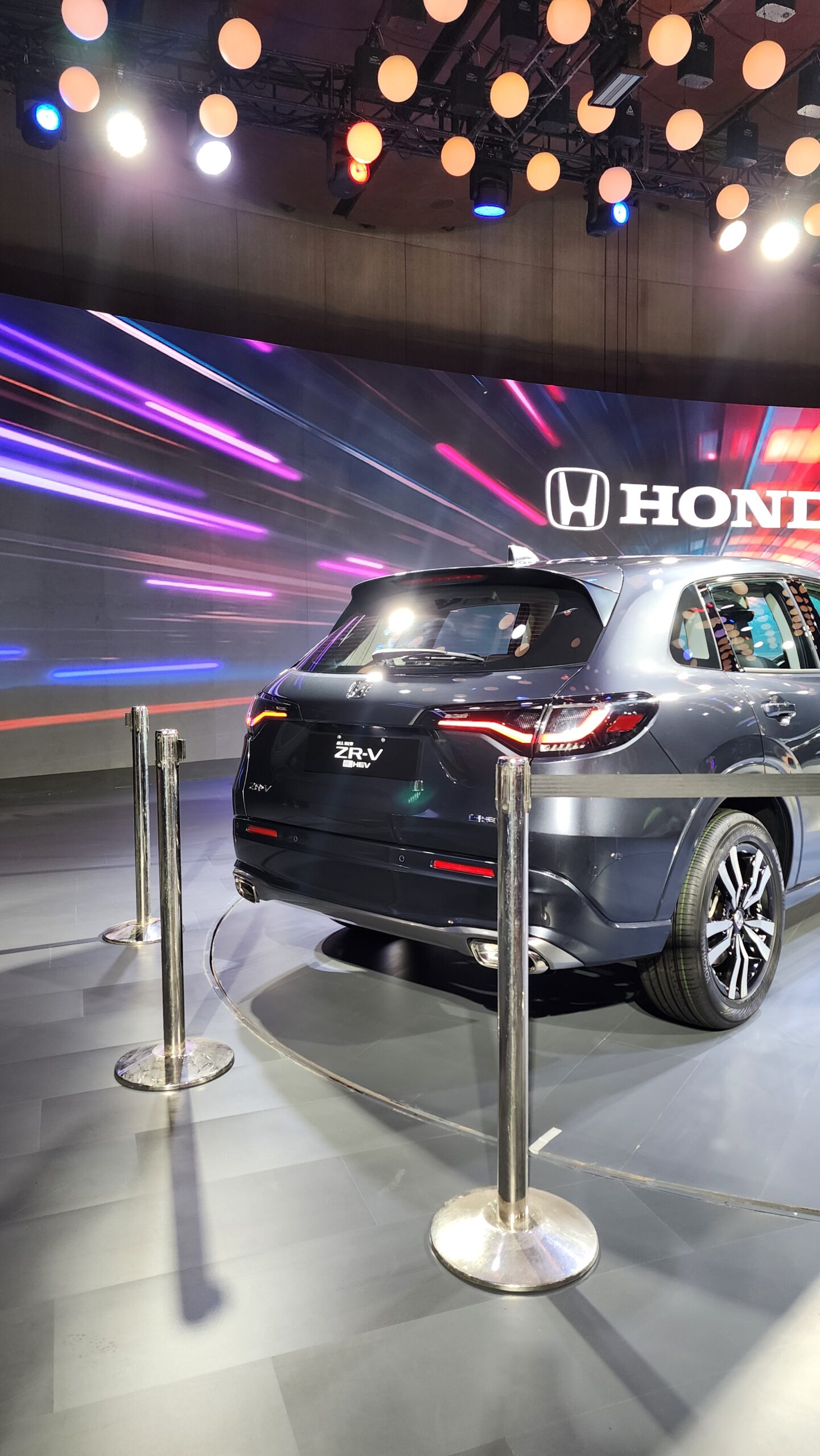
Owning a Tucson—especially the diesel variant—is a massive liability in regions like the Delhi NCR due to strict emissions regulations and the looming 10-year ban, which plummets its resale value. Transitioning to the ZR-V’s strong-hybrid technology completely insulates you from these stringent rules, ensuring long-term regulatory compliance and protecting your investment from sudden government crackdowns.
The Tucson is just another mass-market, locally assembled vehicle that blends into the background. The Honda ZR-V is imported to India as a Completely Built Unit (CBU), offering vastly superior, globally standardized build quality, sophisticated materials, and a level of exclusivity that the locally assembled Hyundai simply cannot match.

